
Last updated November 15, 2026
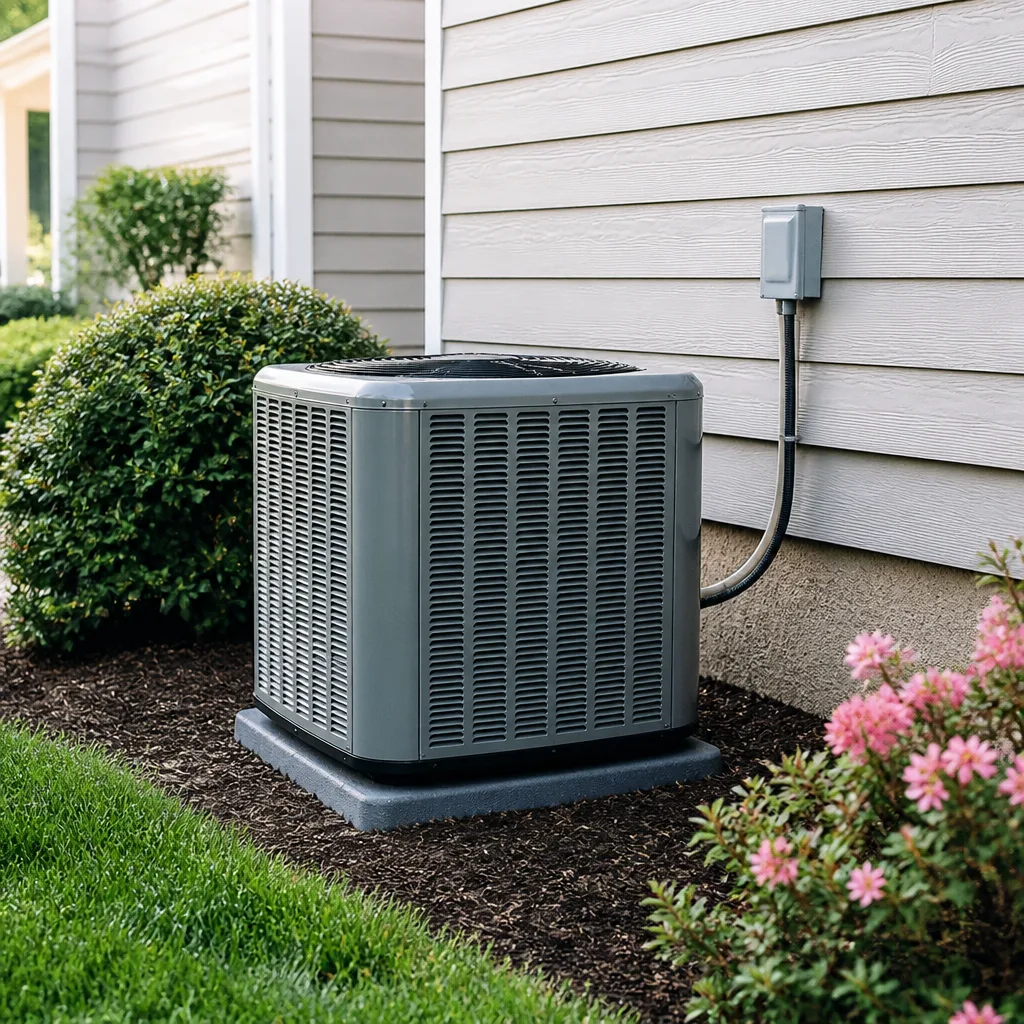 AC repair
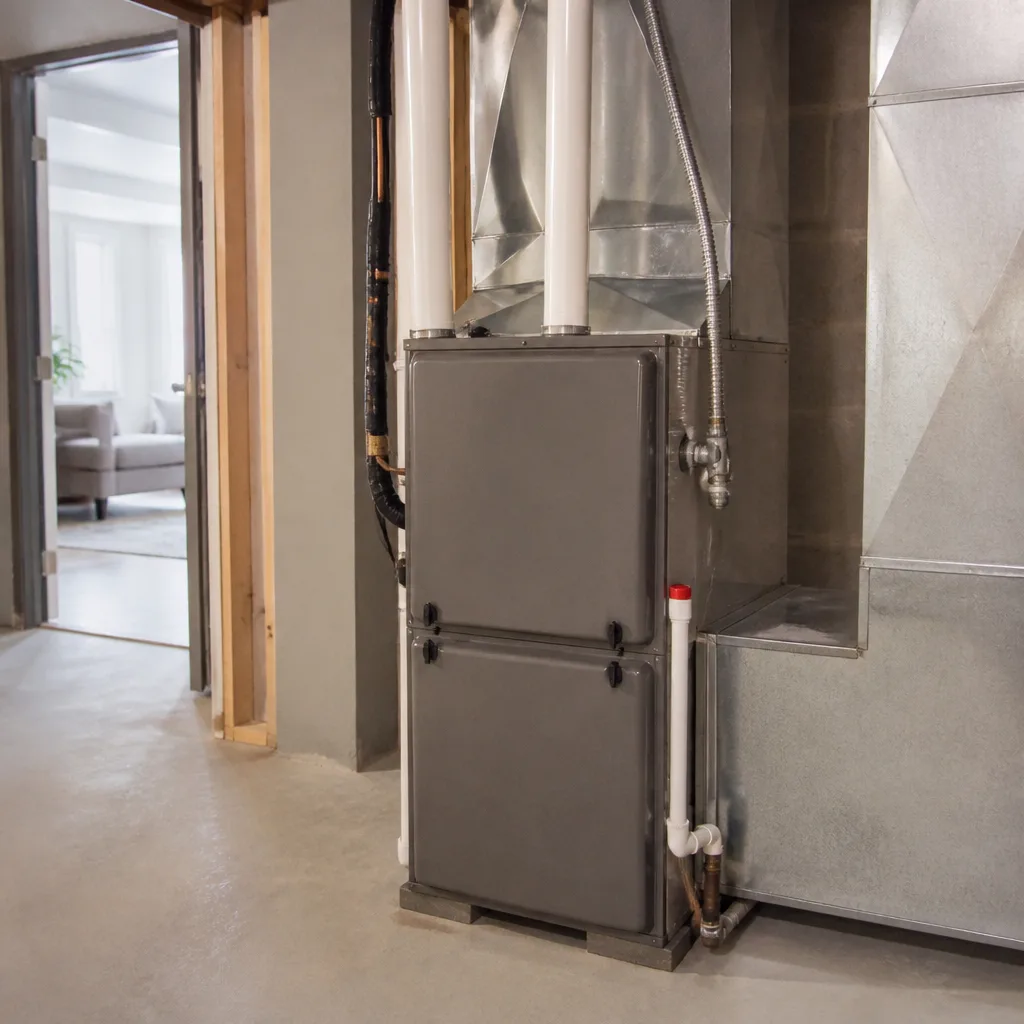 Furnace & heating
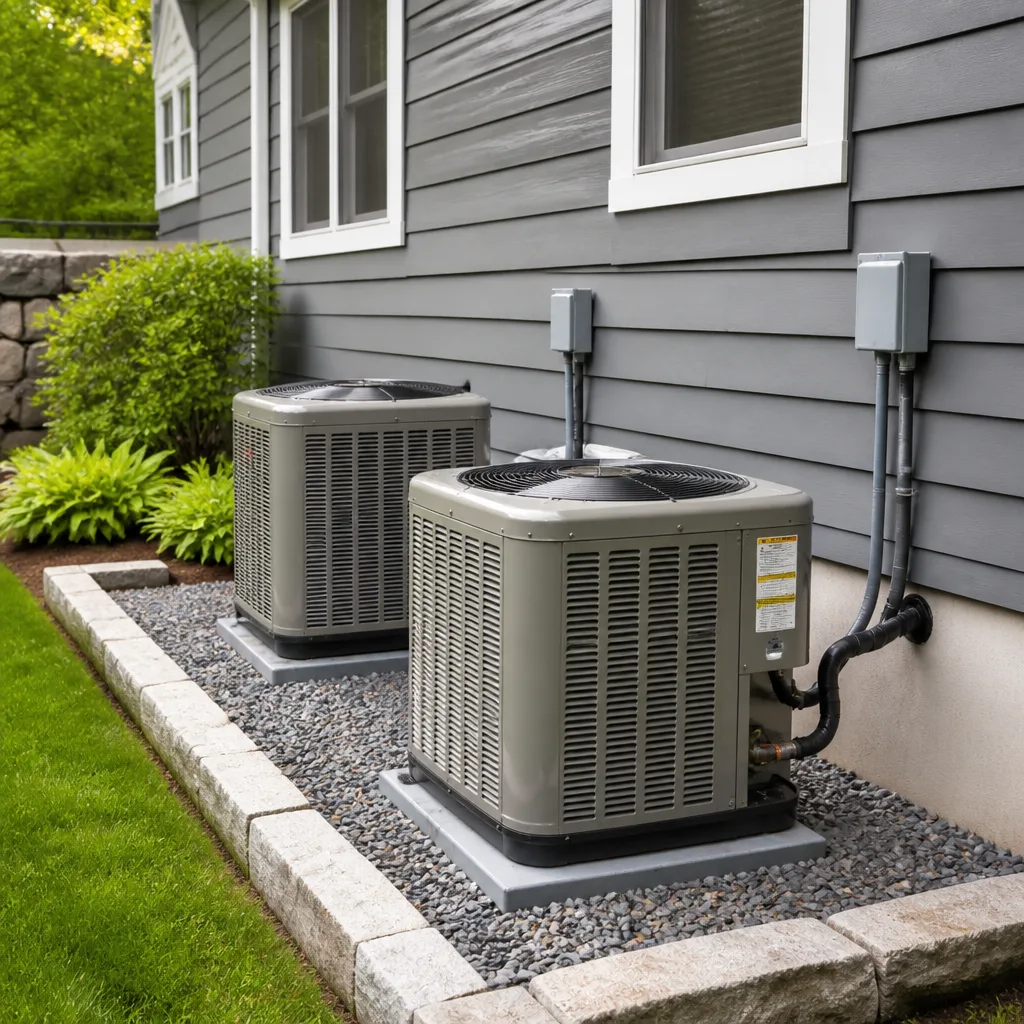 Heat pumps
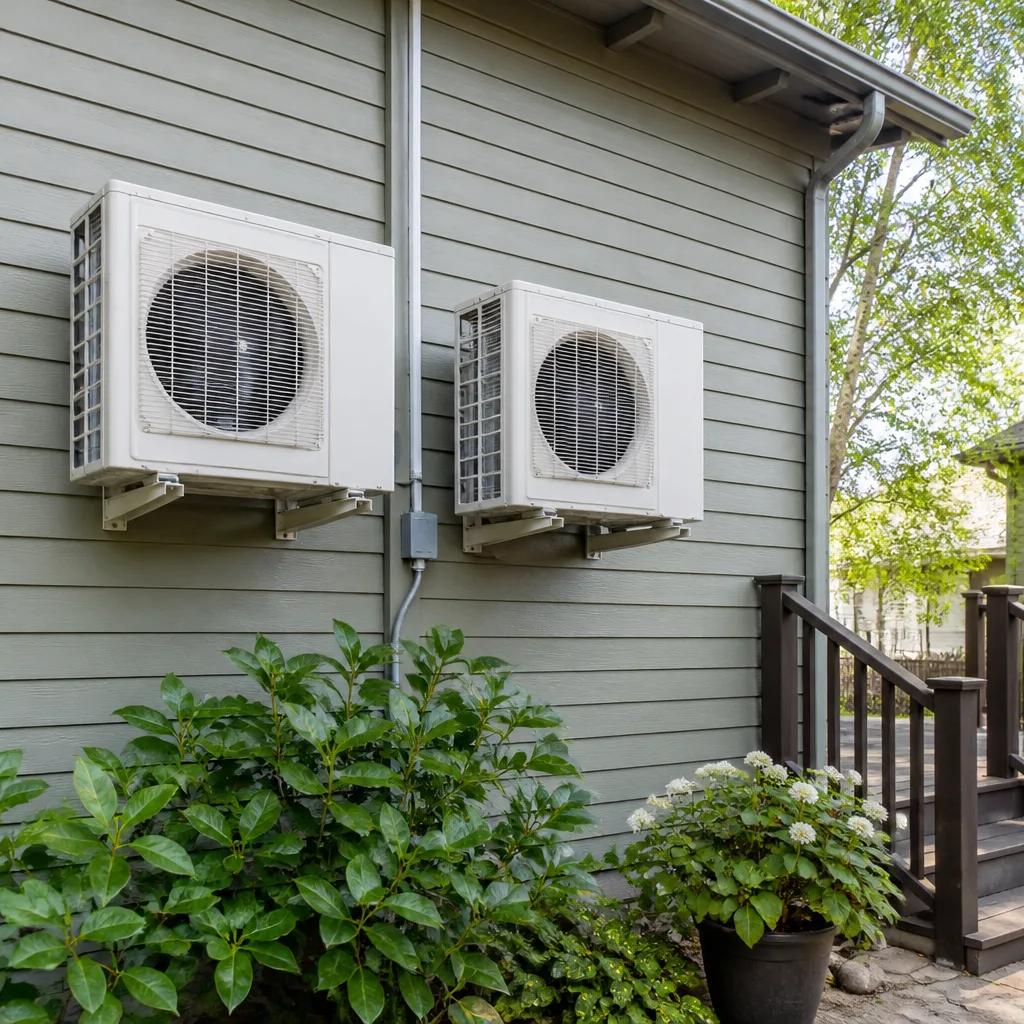 Ductless mini splits
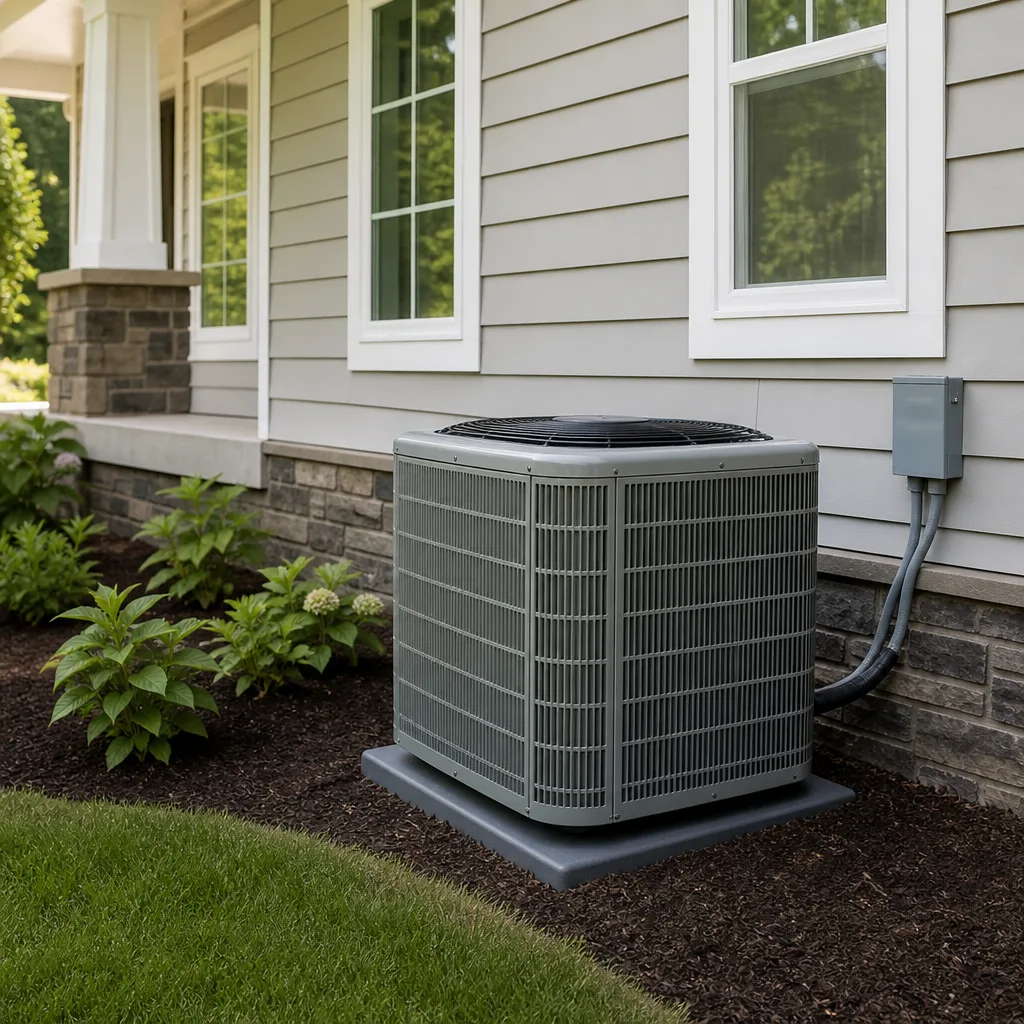 Carrier
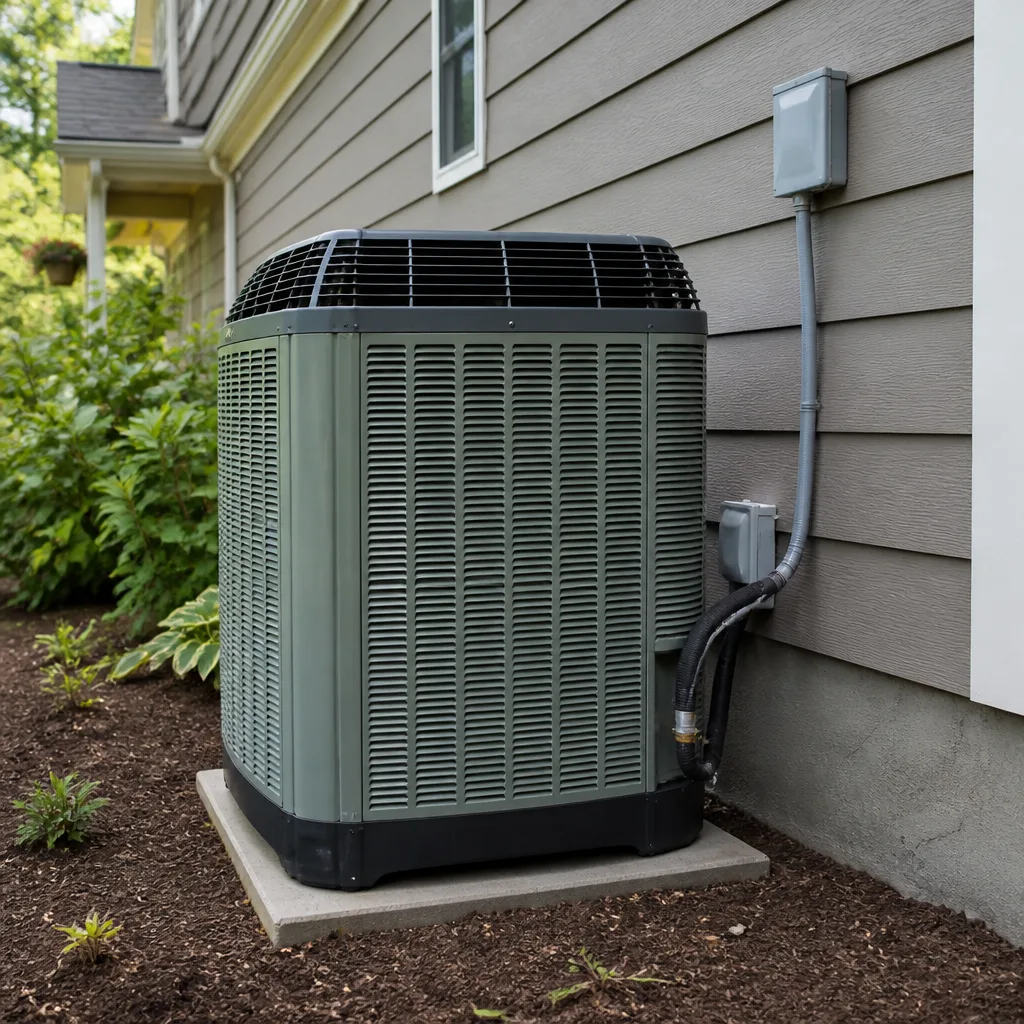 Trane
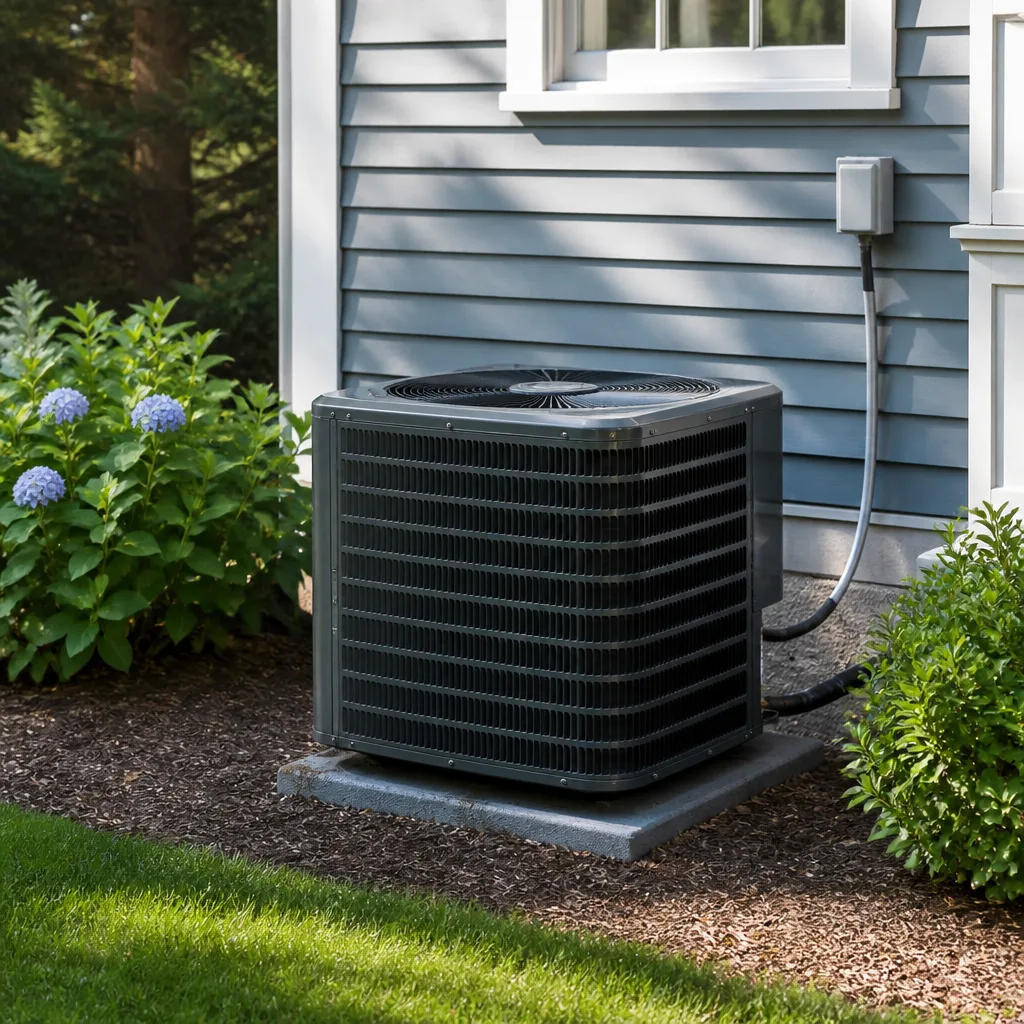 Goodman
Seasonal tune-up and full diagnostic on your Carrier, Trane, or Goodman system - readings shown to you before any repair is proposed
Diagnosis first, numbers second - you approve the repair price before a single part goes in.
Get your free estimateChoosing the Right HVAC Brand: A Buyer’s Guide for Hollywood
The brand that tops a national consumer survey may still leave you waiting two weeks for a compressor at every Broward County supplier, and when your system dies in July, that wait matters more than any reliability score. Most buying guides rank equipment by numbers that barely affect your life here. In Hollywood, the specs that separate a system you tolerate from one you forget about are coil construction, dehumidification behavior, and how fast a local distributor can put a part in a technician’s hands. This guide walks through those criteria in plain terms, explains why equipment type should come before brand name, and shows you how to compare warranties without getting lost in fine print.
Quick Answer
There’s no single best HVAC brand for Hollywood, and anyone who names one without asking about your home is guessing. The right choice follows the system type you need first (single-stage, two-stage, or variable-speed), then narrows to a brand with strong Broward County parts support and a coil built to handle South Florida humidity. Among the widely installed names, Daikin, Bryant, American Standard, and York all have solid local distributor reach, and the installation quality matters more than the badge on the cabinet.
Styles & brands we work with
- AC repair
- Furnace & heating
- Heat pumps
- Ductless mini splits
- Carrier
- Trane
- Goodman
Table of Contents
- Why brand loyalty is usually marketing, not performance
- Coil construction and corrosion protection in South Florida
- Parts and service availability in the Broward County market
- Variable-speed technology and dehumidification: the spec that beats SEER
- Why equipment type comes before brand name
- Registered vs. unregistered warranties: what the terms actually mean
- A step-by-step way to choose your system
- Common mistakes to avoid
Why Brand Loyalty Is Usually Marketing, Not Performance
Most homeowners pick a brand the way they pick a car: a commercial stuck in memory, a friend’s recommendation, a contractor’s preference. None of those are performance data. The major residential brands share a surprising amount of underlying component manufacturing, and two units with different nameplates can run identical compressors and similar controls. What actually differs is the engineering around the parts: coil coatings, control boards, blower designs, and how the manufacturer supports distributors.
That’s why we approach brand conversations the way we approach any service call. We diagnose the problem first, then recommend the fix. The same logic applies to a new system. The brand is the last decision, not the first.
In our experience working across Carrier, Trane, Lennox, Goodman, Rheem, York, Daikin, Bryant, and American Standard equipment, the pattern holds. A well-installed Goodman outperforms a poorly installed premium unit every time. A correctly sized Trane with a clean duct system and proper refrigerant charge will outlast a top-tier Lennox crammed into a closet with no return air. Hollywood homes run the gamut from older block construction near downtown to newer builds further west, and the installation details change with each one.
Here’s what that means in practice:
- Ask what specific components a brand uses for coils, compressors, and controls, not what awards it has won.
- Ask how the installing contractor handles the load calculation and duct evaluation, since that determines most of your comfort.
- Ask how quickly the local distributor can supply common parts, because that’s the difference between a two-day fix and a two-week one.
- Ignore claims that one brand “always lasts longer.” Longevity data is dominated by install quality and maintenance, not brand.
Brand matters, just less than the sales materials suggest. Once you’ve accepted that, the comparison gets useful. The next sections cover the criteria that do drive your ownership experience in Hollywood.
Coil Construction and Corrosion Protection in South Florida
Coils are where HVAC brands differ most in ways that affect South Florida homeowners, and they’re the part most buying guides skip. The evaporator coil sits inside the air handler, cold and wet for most of the year, shedding condensate constantly. In a humid climate, moisture on the coil never really dries out between cooling cycles during the summer months. That’s the condition corrosion loves.
Manufacturers handle this differently. Some use all-aluminum coils, which resist the formicary corrosion that eats copper tubing from the inside. Others use copper tubes with aluminum fins, sometimes treated with a coating. A few offer enhanced coatings as upgrades or as standard on specific product lines. When you compare brands, the question to ask isn’t “which one is best” but “what’s the coil material and finish, and how does this brand’s coil hold up under continuous moisture?”
What to look for in a Hollywood installation:
- All-aluminum coil construction. Aluminum resists the pinhole leaks that copper coils develop in humid environments.
- Factory-applied coatings, not field-applied. A coating applied in a factory cures evenly; a spray-can job in a garage doesn’t.
- Drain pan design. Look for a sloped pan that drains completely. Standing water in a pan is a corrosion and mold problem waiting to happen.
- Cabinet finish. Powder-coated steel cabinets resist rust better than painted ones, which matters in a garage or utility closet with humidity.
This isn’t about picking one manufacturer over another. Daikin, Bryant, and American Standard all offer product lines with all-aluminum coils, and so do the other major brands. The point is that coil construction varies by product line within the same brand, so you need to look at the specific model, not the logo. Ask your contractor to show you the coil spec sheet before you sign.
We’ve seen coils fail from corrosion in Hollywood homes well before the compressor shows any wear, and the replacement is often what pushes a homeowner toward a full-system decision. If you can choose a coil that handles moisture better, you delay that call.
Parts and Service Availability in the Broward County Market
Here’s the criterion most buying guides ignore completely: can your contractor get the part? A compressor failure in July isn’t a philosophical problem. It’s a logistics problem. The unit is down, the house is hot, and the difference between a same-day repair and a week of misery is whether the local distributor stocks the component.
Distributor reach varies by brand and by region. Some manufacturers have deep South Florida distribution with multiple stocking warehouses in Broward County. Others route parts through a single regional hub or ship from out of state, which adds days to every repair. Consumer reports and comparison articles never track this, because it isn’t a product spec. It’s a market fact.
How to check before you buy:
- Ask your contractor which distributor supplies the brand. A specific name, not a general answer.
- Ask how often they’ve had to order a part from out of state for that brand. Frequency tells you a lot.
- Ask about common failure parts – capacitors, contactors, control boards, blower motors – and whether the local distributor keeps them in stock.
- Ask whether the brand requires factory-authorized service for warranty repairs. If it does, you need to know who in Hollywood is authorized.
In our experience, Daikin and York have solid distributor presence in the Broward County market, and so do several other major brands. Carrier and Trane do as well, though parts for premium lines sometimes come through different channels than the base models. That’s a real difference in ownership experience, and it’s invisible until something breaks.
The other half of this equation is the technician. A shop that only works on one or two brands knows those systems deeply but may be slower on the rest. A multi-brand shop has seen enough variations to recognize patterns faster. This is why we work on nine of the most widely installed brands in North America, including Carrier, Trane, Lennox, Goodman, Rheem, York, Daikin, Bryant, and American Standard. When we walk into a Hollywood home and see a Bryant air handler or an American Standard condenser, we’ve probably serviced dozens just like it.
If you’re weighing a repair against a replacement, our AC repair team can evaluate the system and tell you honestly which way the math points.
Variable-Speed Technology and Dehumidification: The Spec That Beats SEER
SEER2 ratings get all the attention, but for Hollywood homeowners, dehumidification capability matters more to daily comfort. Here’s why. A high-SEER system that runs in short, full-blast cycles cools the air quickly and shuts off. It never runs long enough to pull moisture out of the house. You end up with a room that reads 74 degrees on the thermostat and feels clammy anyway.
Variable-speed and two-stage systems change this. A variable-speed compressor and blower can run at low capacity for long stretches, moving air slowly across the coil and pulling far more humidity out of it. The result isn’t just efficiency. It’s a house that feels dry and comfortable at a slightly higher thermostat setting, which saves energy on top of the efficiency gain.
Brands implement this technology differently:
- Communicating systems. Some brands use proprietary communication protocols between the thermostat, air handler, and condenser, letting the components share data and adjust in fine increments. These systems dehumidify well but tie you to the brand’s thermostat and controls.
- Standard 24-volt controls. Other brands use common low-voltage wiring, which makes aftermarket thermostats and third-party controls possible. Slightly less precise, more flexible long-term.
- Dedicated dehumidification modes. A few product lines offer a mode that prioritizes moisture removal over temperature. Useful in Hollywood during the shoulder seasons when it’s humid but not hot.
- Blower speed control. The blower ramp profile matters as much as the compressor. A slow ramp across a cold coil removes more moisture.
The spec to look for isn’t just SEER2. It’s the latent capacity rating, or the system’s stated ability to remove moisture. Ask your contractor for that number alongside the efficiency rating. A unit with excellent latent capacity running at a lower SEER2 can feel better in a Hollywood home than a higher-SEER unit with weak dehumidification.
One more consideration specific to this area: humidity control in a Hollywood home is partly a duct and envelope problem, not just an equipment problem. Ducts that leak into the attic pull in hot, humid air. A properly sealed system running variable-speed equipment is a different experience than the same equipment on leaky ducts. That’s worth knowing before you attribute a comfort problem to the brand.
When you’re ready to buy, our AC installation process starts with a load calculation and duct evaluation, then narrows to equipment that fits your house.
Why Equipment Type Comes Before Brand Name
Homeowners often walk into a purchase decision with a brand in mind before they know what kind of system they need. That’s backward. The system configuration determines your comfort, your operating cost, and your repair bills. The brand determines which version of that configuration you get, and how well it’s supported locally.
Here’s the order that works:
- Get a load calculation. A room-by-room Manual J calculation tells you how much cooling and heating capacity your house actually needs. Skipping this step is the most common installation mistake in Hollywood and the one that hurts comfort most.
- Evaluate the ducts. Leaky or undersized ducts sabotage any equipment. A duct assessment comes before a brand conversation.
- Choose the system type. Single-stage is the simplest and least expensive. Two-stage offers a step up in comfort and humidity control. Variable-speed delivers the best dehumidification and quietest operation but costs more upfront and has more components to repair.
- Match the system type to a brand that executes it well. Not every brand offers every configuration at every price point. Once you know you want variable-speed, you look at which brands make a strong variable-speed product with good local parts support.
- Compare warranties and installation details. Two contractors quoting the same equipment can deliver very different outcomes based on installation quality and warranty registration.
In our experience, this order prevents the most expensive mistake in HVAC: buying premium equipment for a house that needed duct work, or buying a base unit in a home that needed dehumidification capacity. Neither the brand nor the price tag fixes a sizing or duct problem.
Heating deserves a mention here too. Hollywood winters are mild, and a heat pump or electric strip heat will serve most homes fine, but the decision still belongs in the system-type conversation rather than the brand conversation. Our Ashton AC Repair team handles furnace repair as well as cooling, so the same company can evaluate both sides of the system.
Registered vs. Unregistered Warranties: What the Terms Actually Mean
Warranty terms are where the difference between brands shows up in dollars, and where homeowners get surprised years after the install. Most manufacturers offer two warranty tiers: a base warranty that applies to any installation, and an extended warranty that applies only when the equipment is registered with the manufacturer and installed by a licensed contractor.
The distinction matters more than the headline number. A “10-year parts warranty” may actually be a 5-year base warranty, doubled to 10 years only if the equipment is registered within a stated window after installation. If your contractor didn’t register the equipment, you’re back to 5 years without knowing it. That’s not a brand failure, it’s a paperwork failure, and it’s common.
What to verify before you buy:
- Base warranty length. What applies without any registration?
- Registered warranty length. What’s the extended term, and what are the registration deadlines?
- Who registers the equipment. Should be the installing contractor, not the homeowner. Confirm this in writing.
- Labor coverage. Parts warranties rarely cover labor, so ask separately about labor terms.
- Licensed installation requirement. Most manufacturers require installation by a licensed contractor to honor the extended warranty. Unpermitted work can void coverage.
- Transferability. If you sell the house, does the warranty transfer? Some brands allow it once, others don’t.
The brand-by-brand differences are real but smaller than the difference between a registered and unregistered installation. Focus there first. If the contractor can’t explain the warranty clearly in plain language, that’s a signal worth paying attention to.
For Hollywood homes near the beach or inland, the same rules apply. Warranty terms don’t change by ZIP code, but the installation requirements do, and those requirements are where coverage gets lost.
A Step-by-Step Way to Choose Your System
Here’s a practical sequence for Hollywood homeowners who want to make the decision without getting overwhelmed:
- Identify the problem you’re solving. Is this a replacement of a failed system, a comfort upgrade, or a proactive replacement before a failure? The answer shapes the budget and the timeline.
- Get a load calculation and duct assessment. Insist on this. If a contractor quotes a system size without one, walk away.
- Decide on system type. Single-stage, two-stage, or variable-speed, based on your comfort priorities and budget.
- Get two or three written quotes on comparable equipment. Compare line by line, not on total price alone.
- Ask each contractor about local parts support for the brands they’re quoting. Specific distributor names, typical wait times, common failure parts in stock.
- Review warranty terms in writing. Confirm who registers and when.
- Confirm permits. Most Florida municipalities require a permit for AC replacement. Ask who pulls it.
- Read the scope of work. Does the quote include duct sealing, refrigerant lines, pad, disconnect, and thermostat? Or just the box?
- Only then compare brand names. Once the systems are apples to apples, the brand becomes a tiebreaker, not the headline decision.
This process is a bit more work than picking the top name on a review site. It’s also how you end up with a system that keeps your Hollywood home comfortable through July without a surprise repair bill in October.
If you’d like a second opinion from a Hollywood team that works across nine major brands, we’re happy to help.
Common Mistakes to Avoid
- Choosing a brand before knowing the system type. Naming a brand before the load calculation means you’re comparing categories that may not fit your home. The system type drives comfort; the brand fills in the details.
- Ignoring local parts availability. A high-reliability unit with a two-week parts wait still leaves you hot when it breaks in July. Ask about distributor support in Broward County before you commit.
- Skipping the duct assessment. A premium system on leaky ducts underperforms. In Hollywood’s humidity, duct leaks pull in moist attic air that undoes the dehumidification work the equipment is doing.
- Assuming all installations of the same model are equal. Two contractors installing identical equipment can deliver very different results. Installation quality is not a brand feature.
- Forgetting to confirm equipment registration. Most extended warranties require registration within a stated window. Confirm in writing that the installing contractor will handle it.
- Comparing SEER numbers without looking at latent capacity. In this climate, dehumidification often matters more to comfort than efficiency rating. A high-SEER unit that never runs long enough to pull out moisture will leave you adjusting the thermostat.
- Accepting a quote without a permit. Most Florida municipalities require a permit for AC replacement. Unpermitted work can complicate warranty claims and resale down the line.
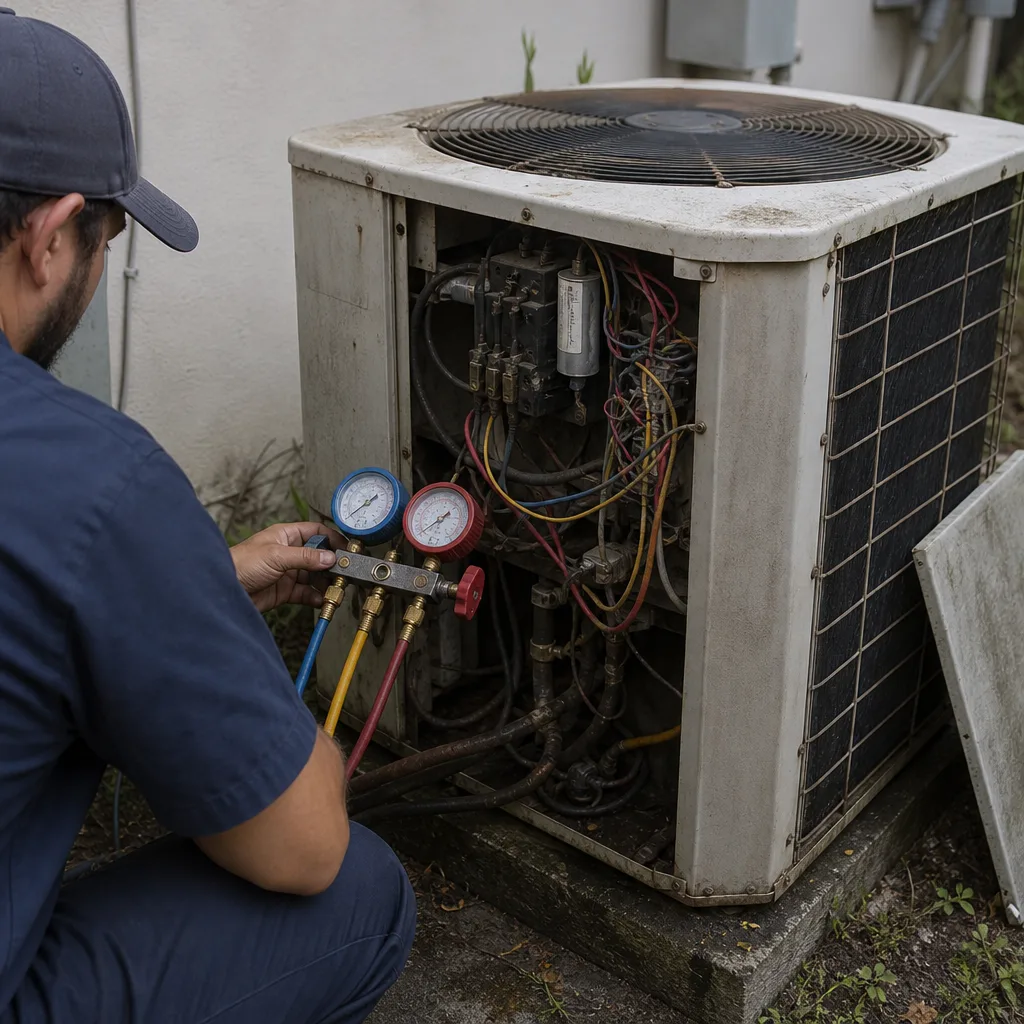
See the difference
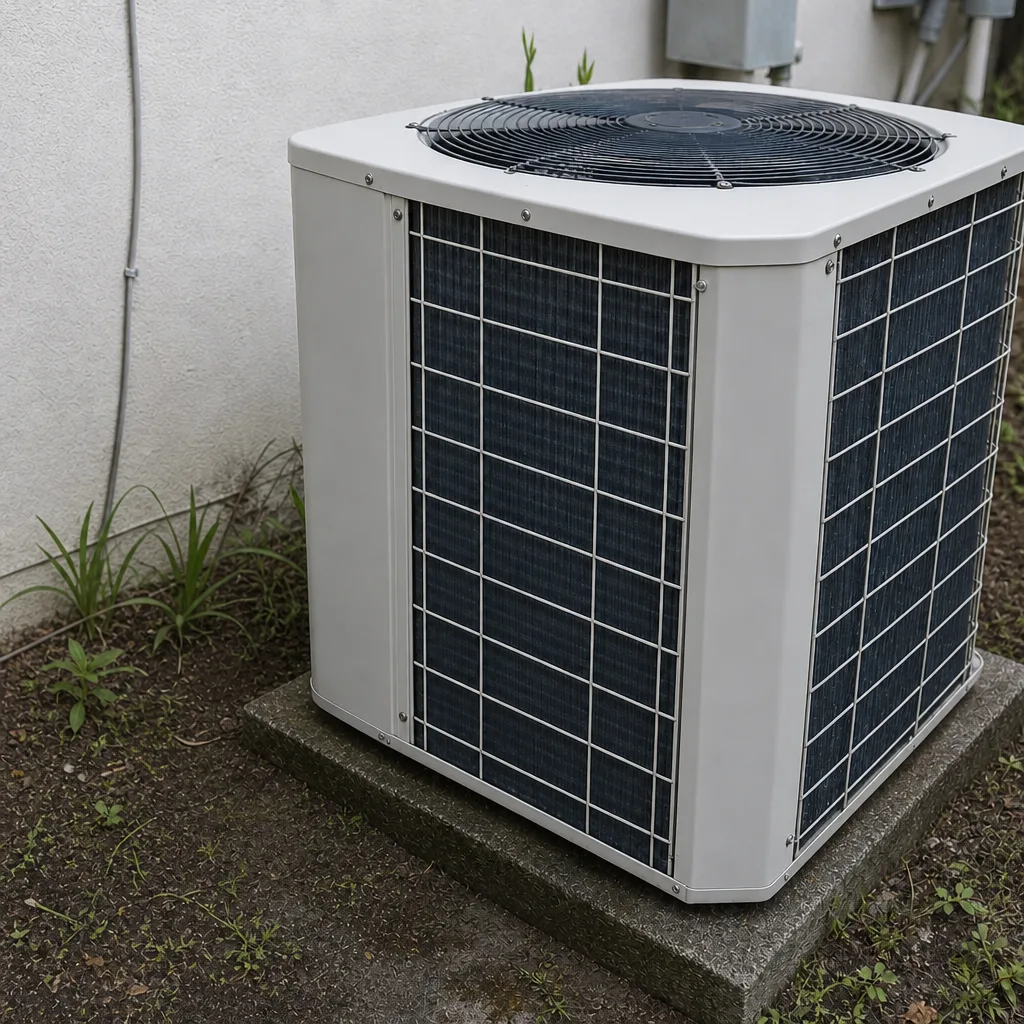
 Before
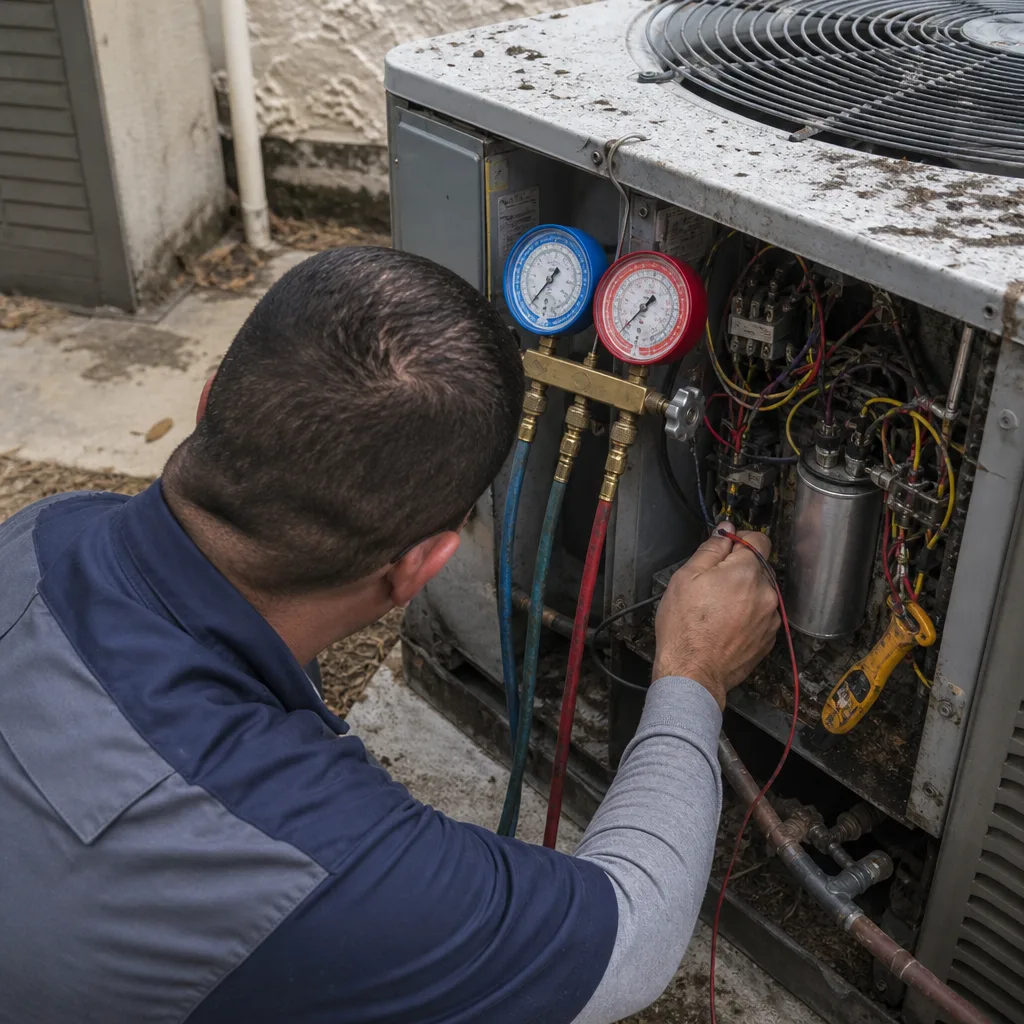
 After
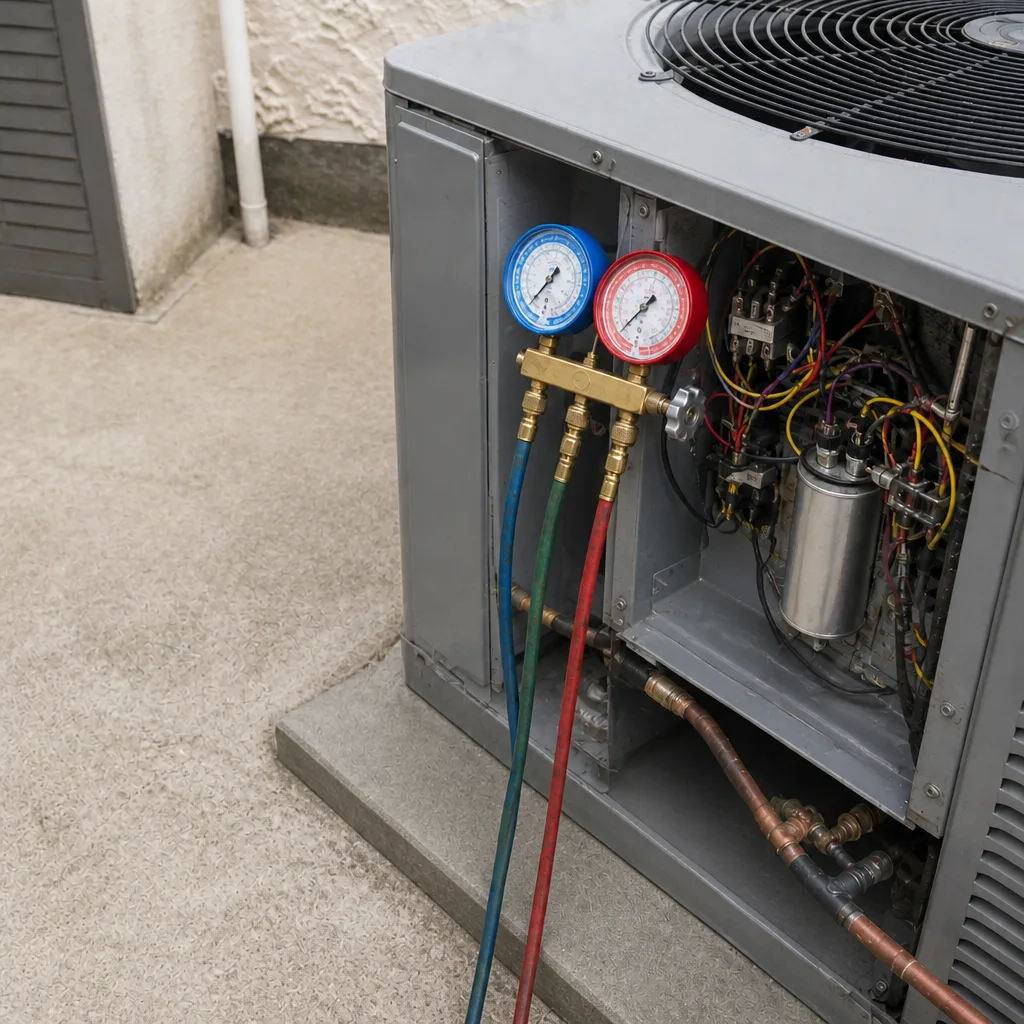
 Before
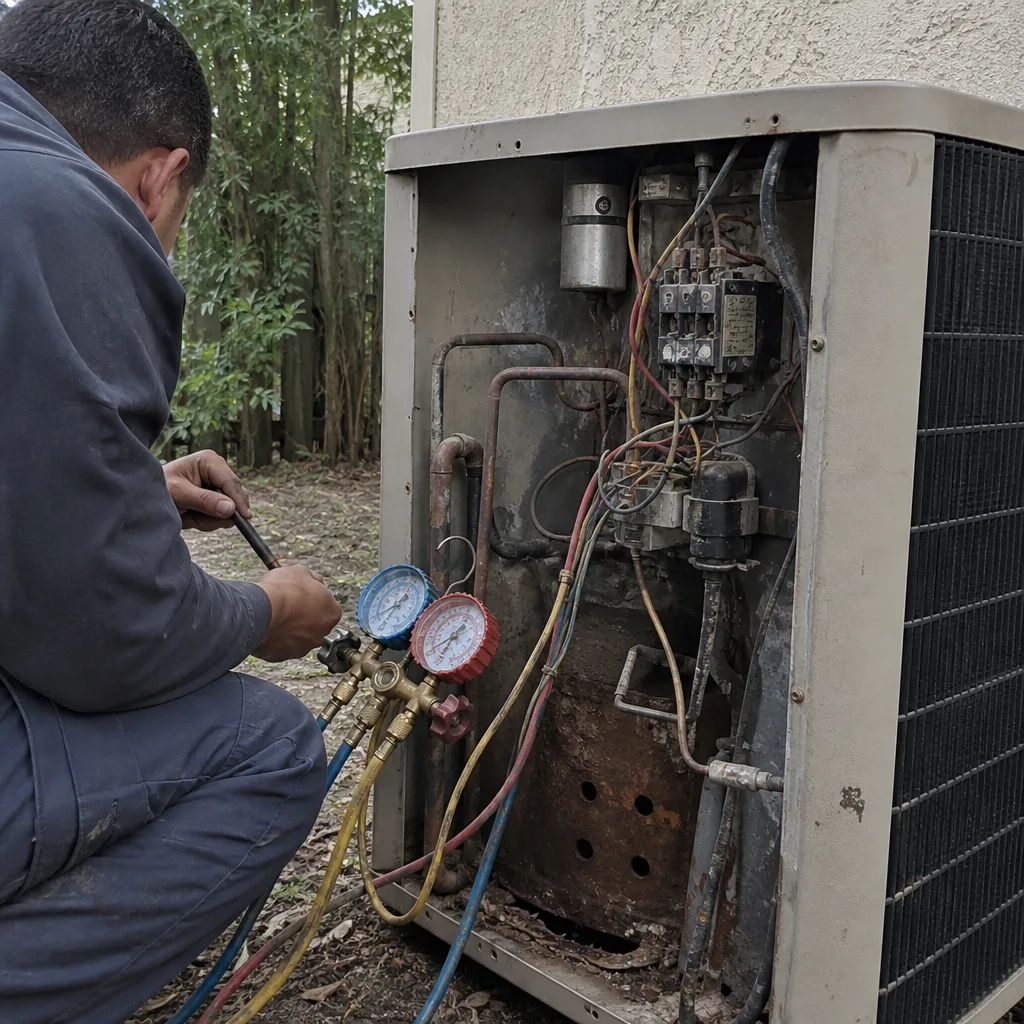
 After
 Before
 After
When to Call a Professional
Some decisions deserve a professional eye. Get an expert involved if your system is over ten years old and starting to need frequent repairs, if your electric bills climbed without an obvious cause, if a room won’t cool no matter what the thermostat says, or if you’re weighing a repair against a replacement. Hollywood’s year-round humidity also means a system that isn’t dehumidifying properly can turn a comfort problem into a moisture and mold problem, which is worth diagnosing early.
Higher-stakes calls involve the electrical side. If you see scorch marks on the disconnect, smell burning near the air handler, or notice a breaker that trips when the unit starts, stop running the system and get a technician out. Compressor and capacitor work on a live unit is dangerous, and diagnostic tools are needed to test the circuit safely. That’s a job for a trained professional, not a multitool and a video.
Ashton AC Repair offers free estimates in Hollywood. Our technicians have up to 15 years of experience across nine major brands. Call (833) 854-7099 to schedule.
Frequently Asked Questions
There’s no single best brand for Hollywood. The brands that work well here are the ones with strong Broward County distributor support and coil designs that handle continuous humidity. Daikin, Bryant, American Standard, and York all have solid local reach and product lines built for humid climates. The installation quality matters more than the badge on the cabinet, so focus on the contractor as much as the brand. Call (833) 854-7099 for an honest comparison based on your home.
Compare three things: coil construction (all-aluminum is the watchword in humid climates), local parts availability through Broward County distributors, and latent capacity ratings for dehumidification. Skip the awards and the marketing rankings. Once those three lines up, compare warranty terms and confirm the contractor will register the equipment. If you want a second pair of eyes, call (833) 854-7099 and we’ll walk through your options.
A registered warranty is the extended coverage a manufacturer grants when the equipment is registered after installation, typically doubling the base term. Most brands require registration within a specific window after installation, and it’s usually the installing contractor’s job to file it. Unregistered equipment falls back to the shorter base warranty without the homeowner realizing it. Confirm in writing who registers before you sign. We handle registration as part of our install process; call (833) 854-7099 for details.
For most Hollywood homeowners, yes, if comfort and humidity control are priorities. A variable-speed system runs at low capacity for long stretches, pulling more moisture out of the air and keeping the house comfortable at a higher thermostat setting. It also runs quieter. The tradeoff is a higher upfront cost and more components to repair down the line. A two-stage system is a good middle path if the budget is tight. Call (833) 854-7099 to compare options for your home.
We work on nine of the most widely installed HVAC brands in North America: Carrier, Trane, Lennox, Goodman, Rheem, York, Daikin, Bryant, and American Standard. That means we can service your equipment regardless of which line is installed, and we can quote replacements across all nine so you’re comparing real options rather than a single preferred package. Call (833) 854-7099 to talk through what fits your house.
Sometimes, but the combination must be matched by the manufacturer to preserve efficiency and warranty coverage. A mismatched system may not reach its rated SEER2 and can fail sooner because the components were designed for different loads. In a Hollywood home where humidity control already matters, a mismatch can also hurt dehumidification. Have a contractor check whether a matched indoor unit is required before you commit to the shortcut. Call (833) 854-7099 and we’ll tell you honestly which route makes sense.
The Bottom Line
Brand choice is the last decision in an HVAC purchase, not the first. Get the load calculation, evaluate the ducts, and pick the system type before you look at logos. Then narrow to a brand with strong Broward County parts support, a coil built for continuous moisture, and warranty terms you understand in plain English. In Hollywood, the factors that drive your experience with a system over the next decade are install quality, humidity control, and access to parts, not which consumer survey ranked the brand highest. Choose on those criteria and you’ll end up with a system that fits your home.
Call (833) 854-7099 for a free estimate. We answer 24/7. Fast dispatch from 7am to 7pm, Sunday through Friday.
Written by the team at Ashton AC Repair.