
Last updated November 15, 2026
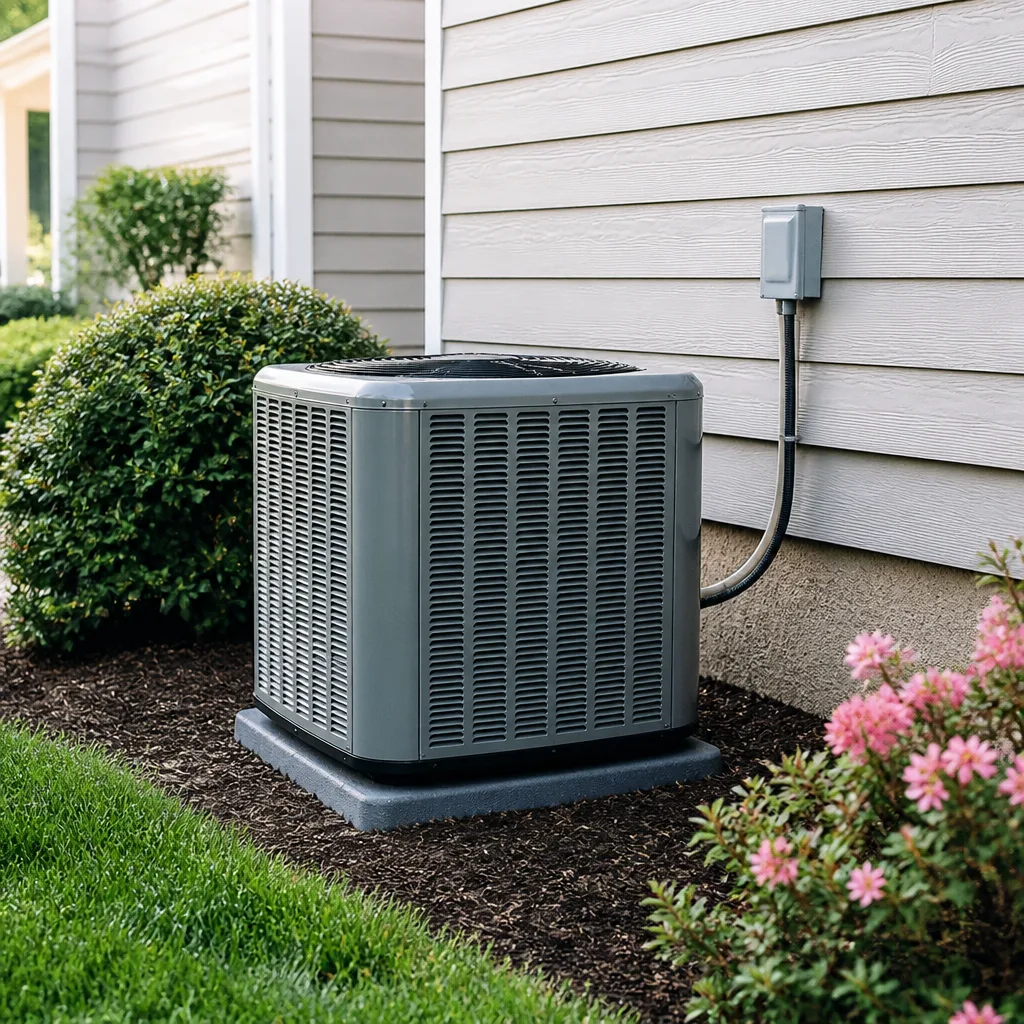 AC repair
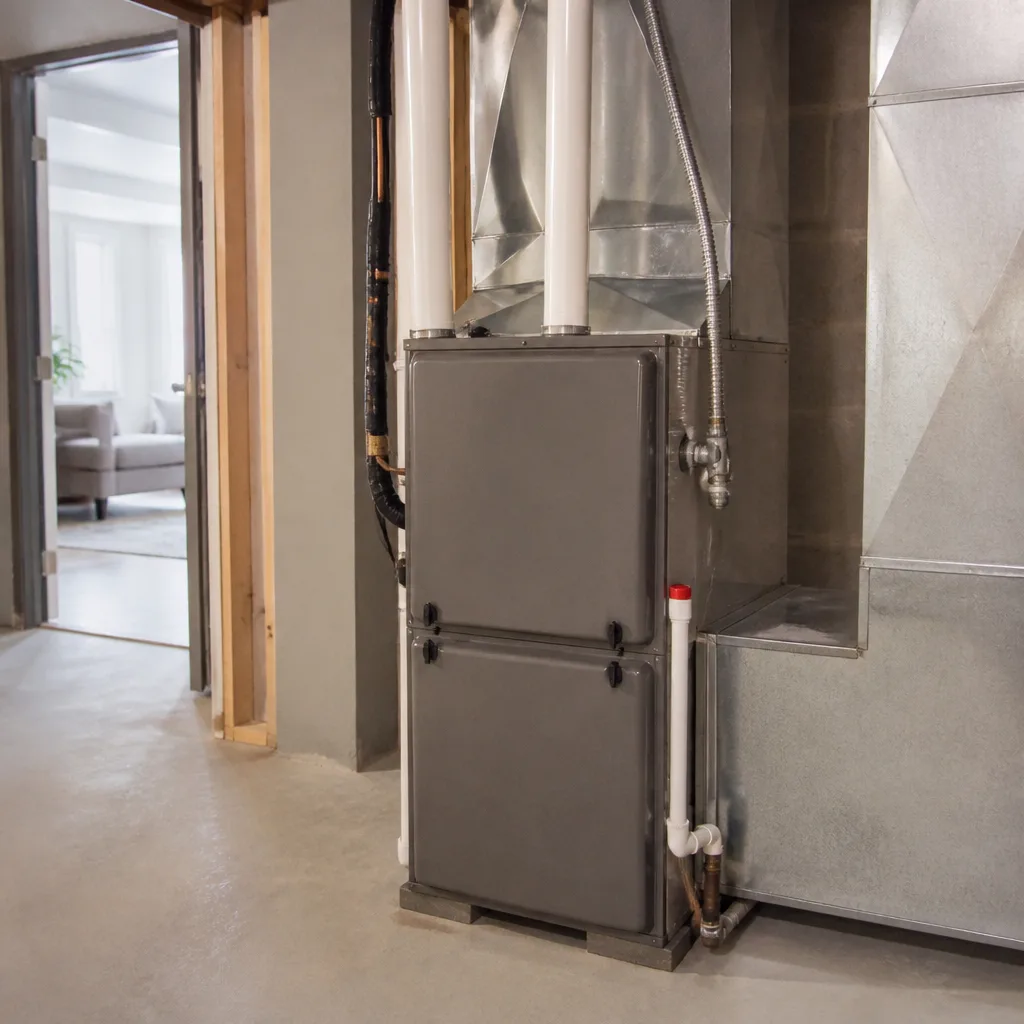 Furnace & heating
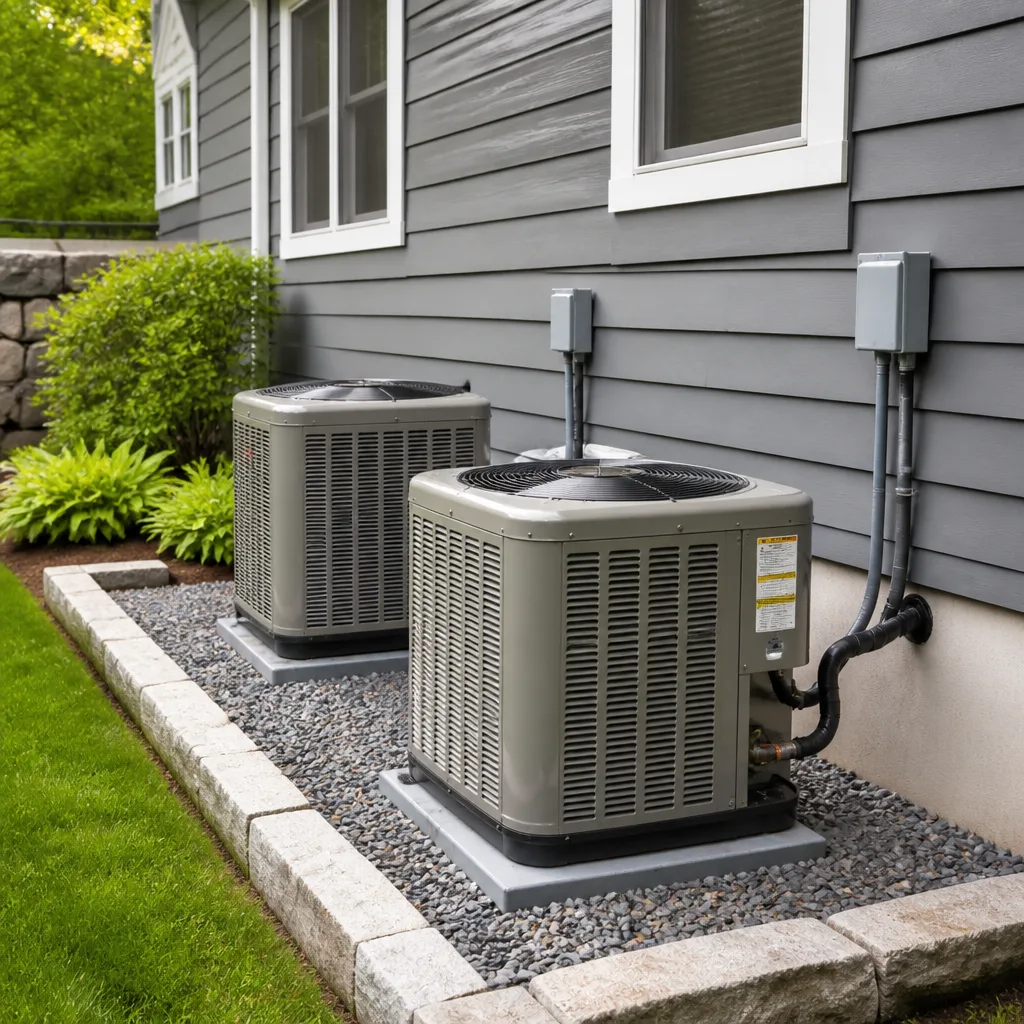 Heat pumps
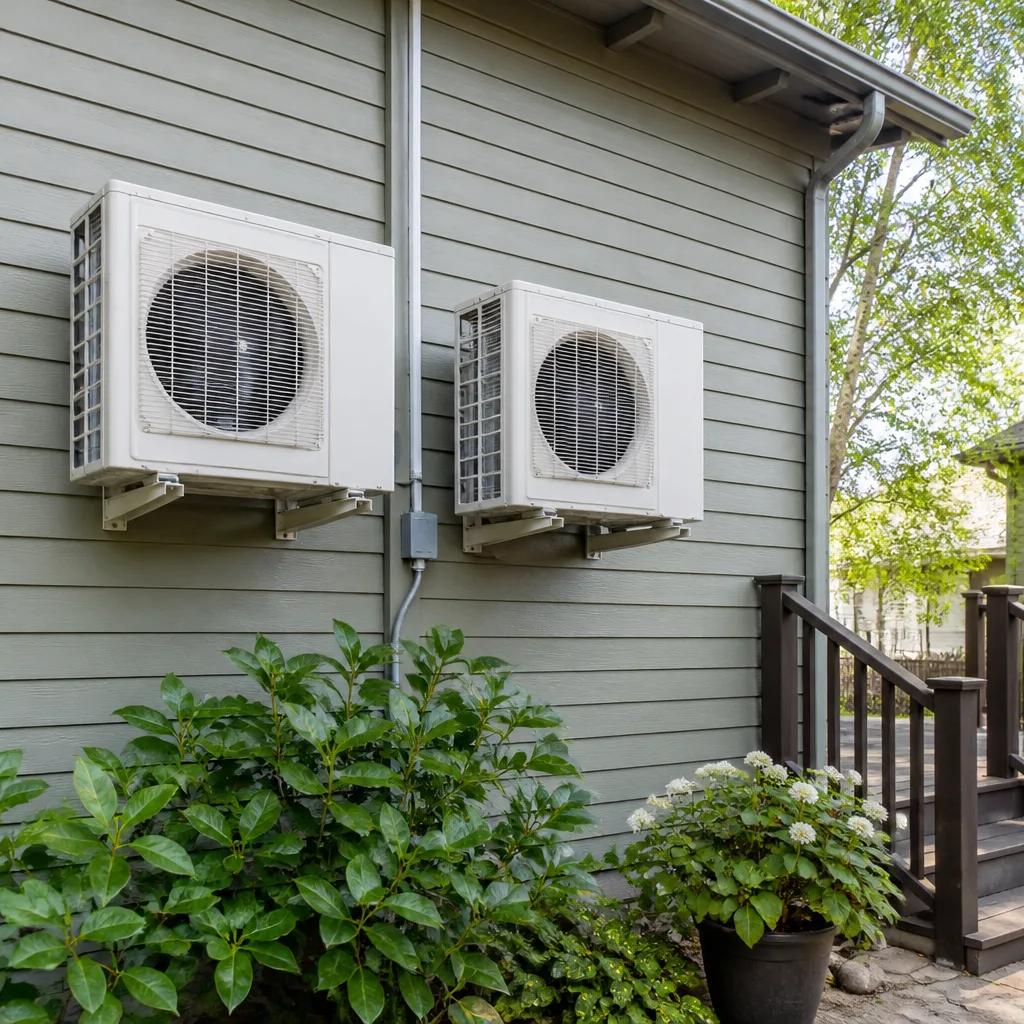 Ductless mini splits
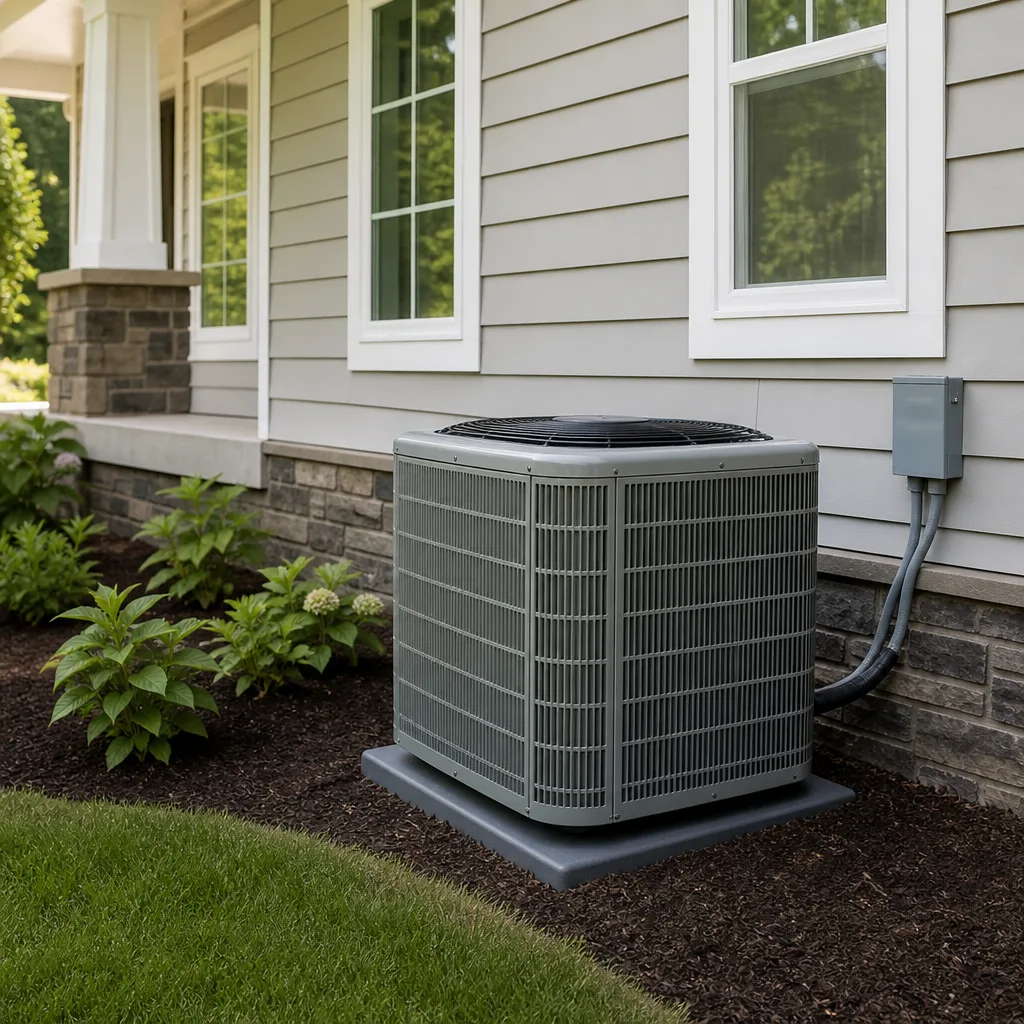 Carrier
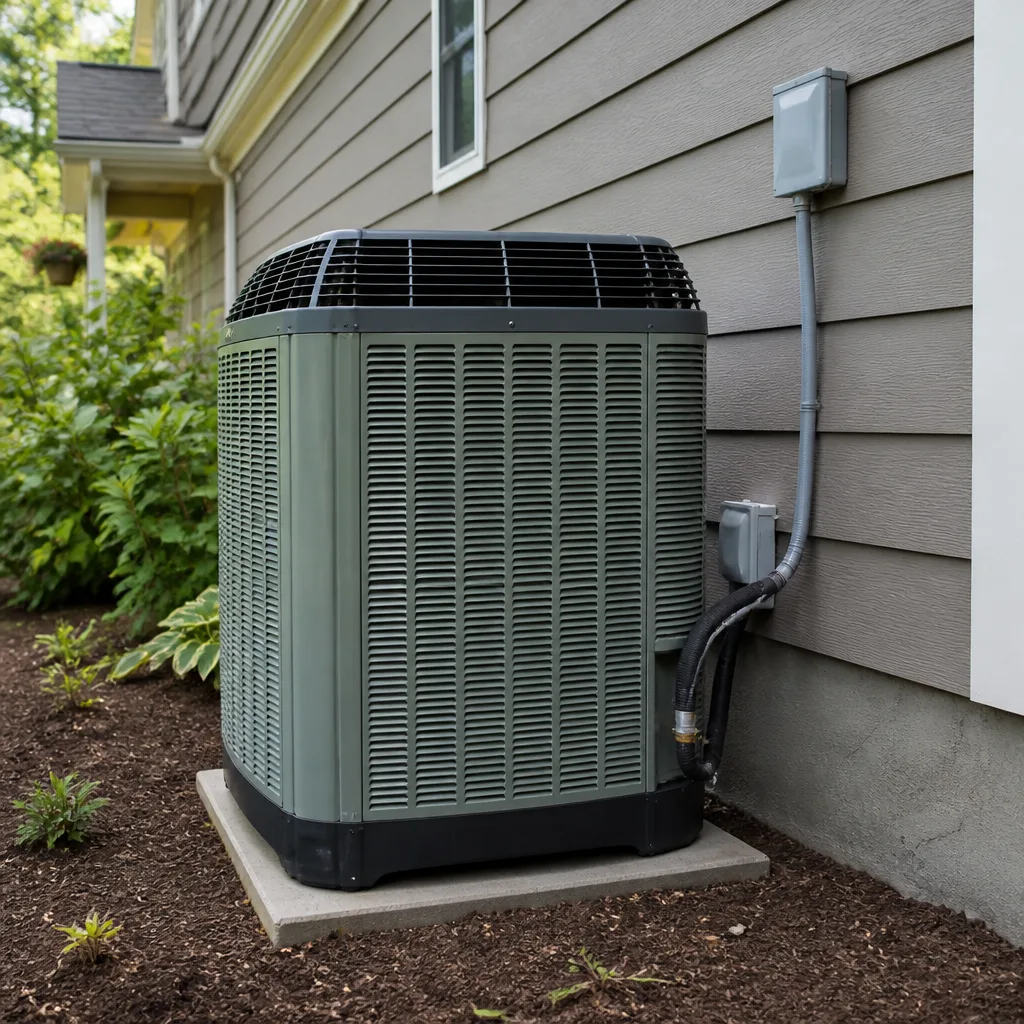 Trane
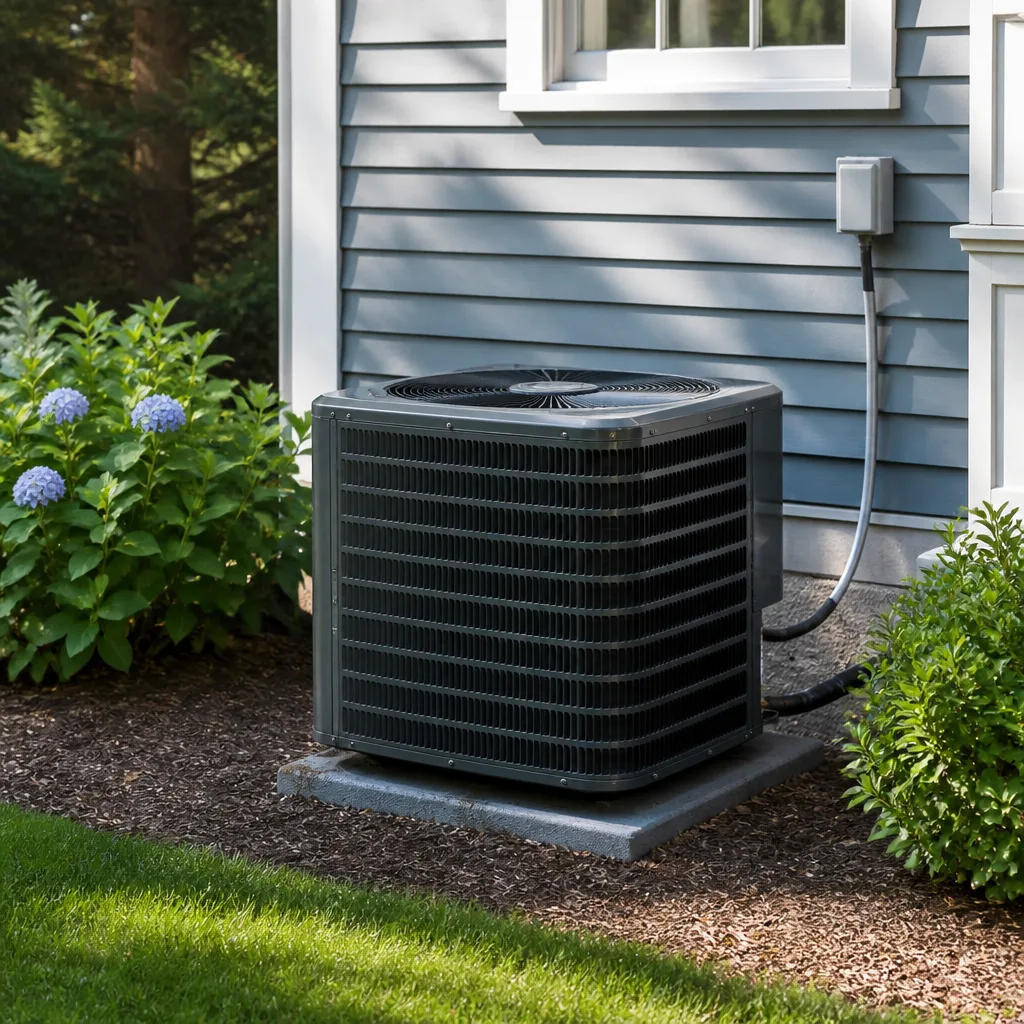 Goodman
Seasonal tune-up and full diagnostic on your Carrier, Trane, or Goodman system - readings shown to you before any repair is proposed
Diagnosis first, numbers second - you approve the repair price before a single part goes in.
Get your free estimateDIY vs Professional HVAC: The Hollywood Homeowner’s Decision Guide
Replacing a thermostat yourself is legal and smart. Topping off refrigerant yourself is a federal violation of Section 608 of the Clean Air Act, and plenty of videos will teach you how to do it anyway, leaving you holding the liability. That gap between what feels like a simple DIY fix and what the law actually allows is where most Hollywood homeowners get into trouble. We’re not here to tell you to never touch your system. We’re here to draw the line clearly: what you can legally and safely do yourself in Florida, what voids your warranty, what becomes genuinely dangerous in a climate where your AC runs nine or ten months a year, and when a licensed technician is the only sensible call. By the end, you’ll know exactly which tasks are yours and which ones belong to a professional.
Quick Answer
Hollywood homeowners can legally handle basic maintenance themselves: changing filters, flushing the condensate drain line, rinsing the outdoor condenser coil, and replacing a thermostat. Anything involving refrigerant, electrical connections inside the air handler or condenser, gas lines to a furnace, or compressor and motor replacement requires a licensed professional. Attempting the second group yourself risks voiding your manufacturer warranty, creating a safety hazard, and in Florida, working without the proper license on refrigerant handling is a federal violation under EPA Section 608. The dividing line isn’t your confidence level. It’s the law and your warranty terms.
Styles & brands we work with
- AC repair
- Furnace & heating
- Heat pumps
- Ductless mini splits
- Carrier
- Trane
- Goodman
Table of Contents
- What Florida law actually lets you do yourself
- The refrigerant rule nobody tells you about
- The DIY tasks that genuinely extend system life in Hollywood
- How DIY work voids your manufacturer warranty
- The real cost of a DIY repair gone wrong in South Florida
- Why Hollywood’s climate raises the stakes on every repair
- Where DIY diagnosis goes wrong: the hidden second problem
- When a professional is the only answer
What Florida law actually lets you do yourself
Florida Statute 489.105 defines what counts as contracting work in this state, and that definition is the boundary line for every DIY decision you’ll make. The statute covers the construction, repair, or improvement of a building or structure, and it requires a state or local license for that work. HVAC falls squarely inside it when the task involves refrigerant, electrical components, or the components that move air and heat through your home. Here’s how it breaks down in practice for a homeowner in Hollywood.
Legal to do yourself without a license:
- Replacing air filters (any brand or model)
- Cleaning or flushing the condensate drain line
- Rinsing the outdoor condenser coil with a garden hose
- Replacing a thermostat, as long as it’s a low-voltage swap and you follow the manufacturer’s wiring diagram
- Cleaning debris, leaves, and vegetation away from the outdoor unit
- Checking and resetting a tripped circuit breaker at the panel
Requires a licensed HVAC contractor:
- Adding, recovering, or handling refrigerant in any way
- Any electrical work inside the air handler, condenser, or furnace
- Replacing compressors, blower motors, contactors, or capacitors
- Gas line connections or repairs to a furnace
- Ductwork modifications that connect to the system
- Full system installation or replacement
The statute is real law, not a suggestion. When work that requires a license gets done without one, it can create problems at inspection and at resale, and Hollywood homes do get inspected. Our Ashton AC Repair page walks through the full scope of what we handle if you’d rather skip the guesswork.
The refrigerant rule nobody tells you about
Adding refrigerant to your own system is a federal violation. Section 608 of the Clean Air Act requires EPA certification to purchase, handle, or recover refrigerant, and that certification applies to technicians, not homeowners. When someone “adds a pound” of refrigerant without that certification, it isn’t a gray area or a wink-and-nod situation. It’s a violation of federal law, and the person doing it carries the liability.
There’s a second layer to this that matters just as much. If your system is low on refrigerant, something is leaking. Refrigerant doesn’t get consumed or burn off like fuel. It moves through a sealed loop, and if the pressure drops, there’s a leak in that loop, usually at a joint, a Schrader valve, or a coil. Adding refrigerant without finding and fixing the leak means you’ll be adding it again next season and the season after, and each time you’re paying for refrigerant that’s slowly leaking into the atmosphere.
What a licensed technician does when they see low refrigerant is different. They find the leak, pressure-test the system, repair or replace the leaking component, evacuate the system to remove air and moisture, and recharge it to the manufacturer’s specified weight. That’s the correct sequence, and it’s the only one that lasts. “Just adding a pound” treats a symptom and leaves the cause untouched.
If you suspect low refrigerant because your vents aren’t blowing cold, don’t try to fix it yourself and don’t call a general handyman who offers to top it off. Call a licensed technician. Our AC repair service covers leak diagnosis and proper recharge for Rheem, York, Daikin, Bryant, and five other major brands.
The DIY tasks that genuinely extend system life in Hollywood
These are the tasks you should absolutely do yourself, and they’re the ones that keep a system alive through a long cooling season. In Hollywood, your AC runs from March through October and often beyond, which means the wear on filters, drain lines, and coils accumulates faster than in a shorter-summer climate. Done right, these three tasks add years to a system. Done wrong, they can cost you a repair.
- Change the filter on a schedule that matches your runtime. For most Hollywood homes, that’s every 30 to 60 days during cooling season, not the 90 days printed on the filter. If you have pets or a household with several people, err toward 30. Use the highest MERV rating your system is rated for. Going higher than that strains the blower and reduces airflow.
- Flush the condensate drain line monthly during cooling season. Your air handler pulls gallons of water out of the air daily in this humidity, and that water travels through a drain line to the outside. Algae and biofilm grow in that line fast. Pour a cup of plain white vinegar or distilled water down the drain pan access point once a month. Skip bleach, because it can eat at the plastic over time. If the line clogs, water backs up into the pan and eventually onto your floor or ceiling, not into a safe overflow.
- Rinse the outdoor condenser coil from the inside out. Shut off the breaker to the outdoor unit first, then use a garden hose with no nozzle, just gentle flow, aimed from inside the coil outward. Rinsing from the outside pushes debris deeper into the fins. In Hollywood, pollen, dust, and yard debris build up on that coil through spring and summer, and a clogged coil makes the compressor work harder and run hotter.
Those three tasks, on a schedule, are what your system actually needs from you. Everything else on the maintenance checklist is a technician’s job, either because it requires tools and training or because the law puts it there.
How DIY work voids your manufacturer warranty
Most manufacturer warranties include language about “improper installation” or “work performed by unlicensed personnel” as grounds for voiding the warranty. The exact wording varies by brand and model, but the intent is the same across every major manufacturer: the company that built your equipment is only on the hook when the work done on it met their standard. When a homeowner or an unlicensed handyman works on a system, that coverage can disappear.
Here’s what that language is actually protecting. Manufacturers know that a replacement compressor installed without proper evacuation and recharge, or a motor wired to the wrong voltage, or refrigerant added without leak detection, will fail sooner than it should. The warranty terms shift that risk back onto whoever did the work. And in practice, when a technician opens your air handler and finds evidence of DIY repairs, the manufacturer’s warranty department can deny the claim even if the failure itself wasn’t directly caused by the DIY work.
This is a real cost that doesn’t show up until the system fails. A compressor replacement on a system still under warranty might be covered parts and labor. The same failure after a DIY repair of something unrelated could be a full out-of-pocket hit.
It also matters which technician touch
es your equipment. A single-brand shop may not have the manufacturer-specific training to make a repair that holds up, which is why we work on Rheem, York, Daikin, Bryant, and several other major brands, with technicians who have up to 15 years of experience on these systems. When your equipment is covered by a manufacturer’s warranty, the person repairing it should know that specific model line well enough to keep the coverage intact.
The real cost of a DIY repair gone wrong in South Florida
The repair bill is the smallest part of what a DIY mistake can cost in Hollywood. The bigger costs come from what happens when a repair fails in ways that affect the rest of your home. Here’s what we actually see happen in this climate and housing stock.
- Water damage from a failed condensate repair. If a DIY drain repair doesn’t hold, water backs up into the pan, then onto the floor, the drywall below, or into a closet. Water damage in a Hollywood home moves fast because the system is running constantly and dumping condensate for hours. The remediation bill often runs several times the cost of the original repair.
- Mold growth in the air handler closet or ceiling cavity. Warm, wet, and closed up: that’s what a slow leak creates in a lightly used closet or a ceiling cavity above a hallway. Mold remediation requires cutting out affected drywall, treating the structure, and running air scrubbers. It’s not a Saturday afternoon job.
- Compressor damage from improper refrigerant work. A system that’s overcharged, undercharged, or charged without proper evacuation can damage the compressor. That’s the most expensive single component in your system, and it can fail months after the improper work was done.
- Failed unpermitted work showing up at resale. Florida home sales typically involve an inspection and a disclosure. Unpermitted HVAC work, or work that fails an inspection when the new owner tries to get it permitted retroactively, can delay a closing or force a price reduction. Hollywood has a lot of older homes that have changed hands repeatedly, and inspectors know what to look for.
The cost of a licensed repair is a known number in a written estimate. The cost of a repair that fails is a range, and it’s often much larger than the repair itself.
Why Hollywood’s climate raises the stakes on every repair
In a climate where the system runs consistently for most of the year, every component operates closer to its limit than it would in a shorter cooling season. That matters for DIY decisions in a few specific ways.
Your compressor runs more hours in a Hollywood year than it would in most of the country, which means any condition that makes it work harder, like a clogged coil or a slightly low refrigerant charge, compounds over more runtime. Something that would take three seasons to fail in a milder climate can fail in one or two here. That raises the penalty for skipping proper diagnostics and going with a quick fix.
The humidity is the other half of the equation. Your system doesn’t just cool the air in a Hollywood home. It removes moisture, and that moisture has to go somewhere. A condensate line that’s marginally clogged in a dry climate might drain slowly enough to avoid a problem. In Hollywood, the same line will overflow, often at the worst possible time. That’s why the drain line flush is the single highest-value thing you can do yourself.
And your outdoor unit works in a salt-humid environment for more of the year than most, which means coil cleaning and vegetation clearance matter more. Check the outdoor unit’s surroundings monthly. Two feet of clearance on all sides lets it breathe. Trimming back the plants that grow eagerly through a Hollywood summer is a five-minute task with an outsized effect on efficiency.
We’ve watched these systems in Hollywood run through a dozen seasons, and the pattern is clear. The homes that do well are the ones where the simple maintenance gets done on schedule and the repairs get done correctly the first time.
Where DIY diagnosis goes wrong: the hidden second problem
One of the hardest things about HVAC work is that symptoms and causes don’t line up neatly. A system that’s not cooling might have a refrigerant leak. It might also have a failing capacitor, a dirty condenser coil, a restricted filter, a thermostat issue, or a blower motor on its way out. Two or three of these can be true at once.
When you diagnose from a symptom alone, you often find the first problem and miss the second. The system seems to work after the DIY repair because the remaining issue is milder, and then it fails again weeks later, often at a worse time. That’s not a knock on your ability to reason through a problem. It’s a description of how HVAC systems fail, and it’s why technicians run a diagnostic sequence rather than jumping to the first plausible answer.
Our approach here is brand-agnostic: diagnose first, then recommend the fix. That means checking refrigerant pressures, electrical components, airflow, and the condensate system, not assuming the problem is the one the homeowner described. A technician trained across nine major brands is less likely to misdiagnose because the failure patterns are recognizable across equipment lines rather than limited to one make.
When the diagnosis is done well, the repair list is honest. That often means the system doesn’t need the big repair the homeowner feared. Sometimes it needs a capacitor, a contactor, or a coil cleaning, and the compressor is fine. Our AC repair page covers the diagnostic process in more detail.
When a professional is the only answer
Some problems are clear-cut calls for a licensed technician, and a few of them are genuine safety situations where DIY is not an option. If you smell gas near a furnace or air handler, leave the area and call from outside. If you see scorched wiring, smell burning plastic, or see a tripped breaker that won’t reset, stop and call. If the outdoor unit is making a loud metallic noise, turn it off at the thermostat and call. If water is actively spilling from the air handler, shut the system off at the breaker and call about water cleanup before you do anything else.
On the non-emergency side, call a professional for any refrigerant work, any electrical component replacement inside the system, any compressor or motor issue, any gas furnace repair, and any moment when you’re not sure what you’re looking at. If you’re replacing the system altogether, that’s a load-calculation and permitting process, and the AC installation page explains how that work is scheduled and priced. And if you’re simply tired of guessing, that’s a fine reason to call.
Ashton AC Repair offers free estimates in Hollywood. Call (833) 854-7099. We answer 24/7. Fast dispatch from 7am to 7pm, Sunday through Friday.
Common Mistakes to Avoid
- Adding refrigerant without finding the leak. Refrigerant doesn’t get used up, so a low charge always means a leak. Topping it off just pays for refrigerant that leaks out again, and doing it without EPA certification is a federal violation.
- Rinsing the condenser coil from the outside in. This pushes debris deeper into the fins and can bend them. Always rinse from inside the coil outward, and shut off the breaker first.
- Skipping the monthly drain line flush during Hollywood’s cooling season. The system pulls gallons of water out of the air daily in this humidity, and the drain line clogs fast. A clogged line means water on your floor, not a convenient overflow.
- Using a filter with a higher MERV rating than the system was designed for. Higher MERV doesn’t always mean better. A filter that restricts airflow can damage the blower motor and reduce cooling performance.
- Replacing electrical components without matching the ratings exactly. A capacitor with the wrong microfarad rating or voltage can damage the compressor or motor. The label on the component is not a suggestion.
- Assuming the first symptom is the whole problem. HVAC systems often have two issues at once. Replacing one part and stopping there means the second problem fails later, usually at a worse time.
- Letting an unlicensed handyman work on the system to save money. It can void your manufacturer warranty, create inspection problems at resale, and leave you liable for work done outside Florida Statute 489.105.
See the difference
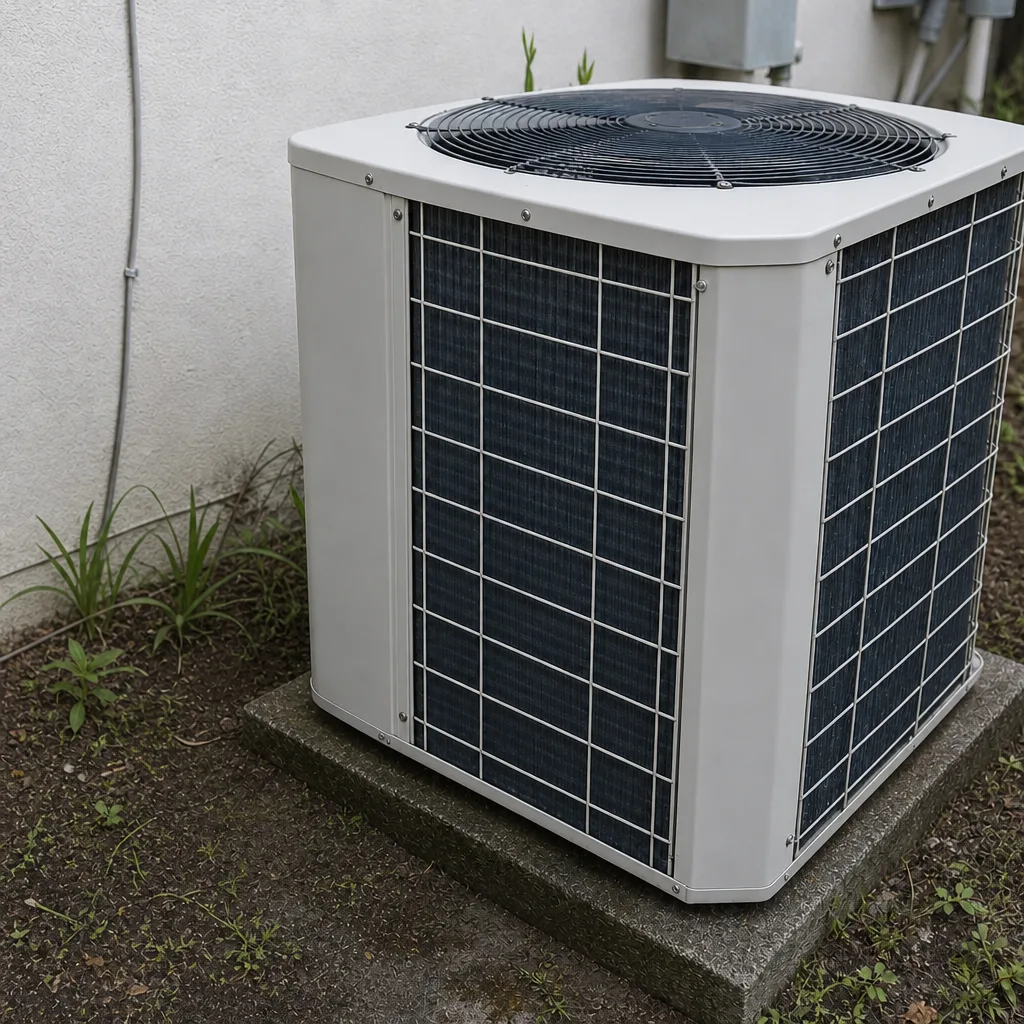
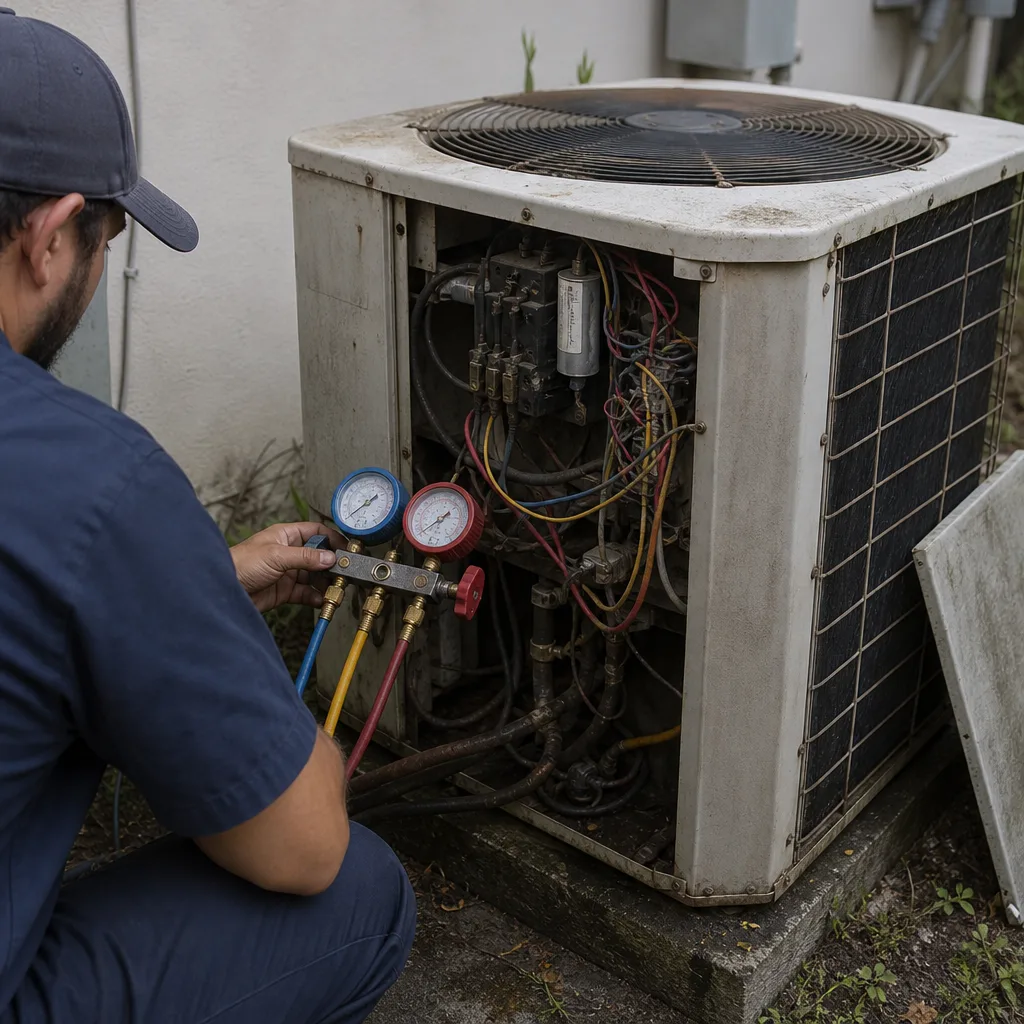 Before
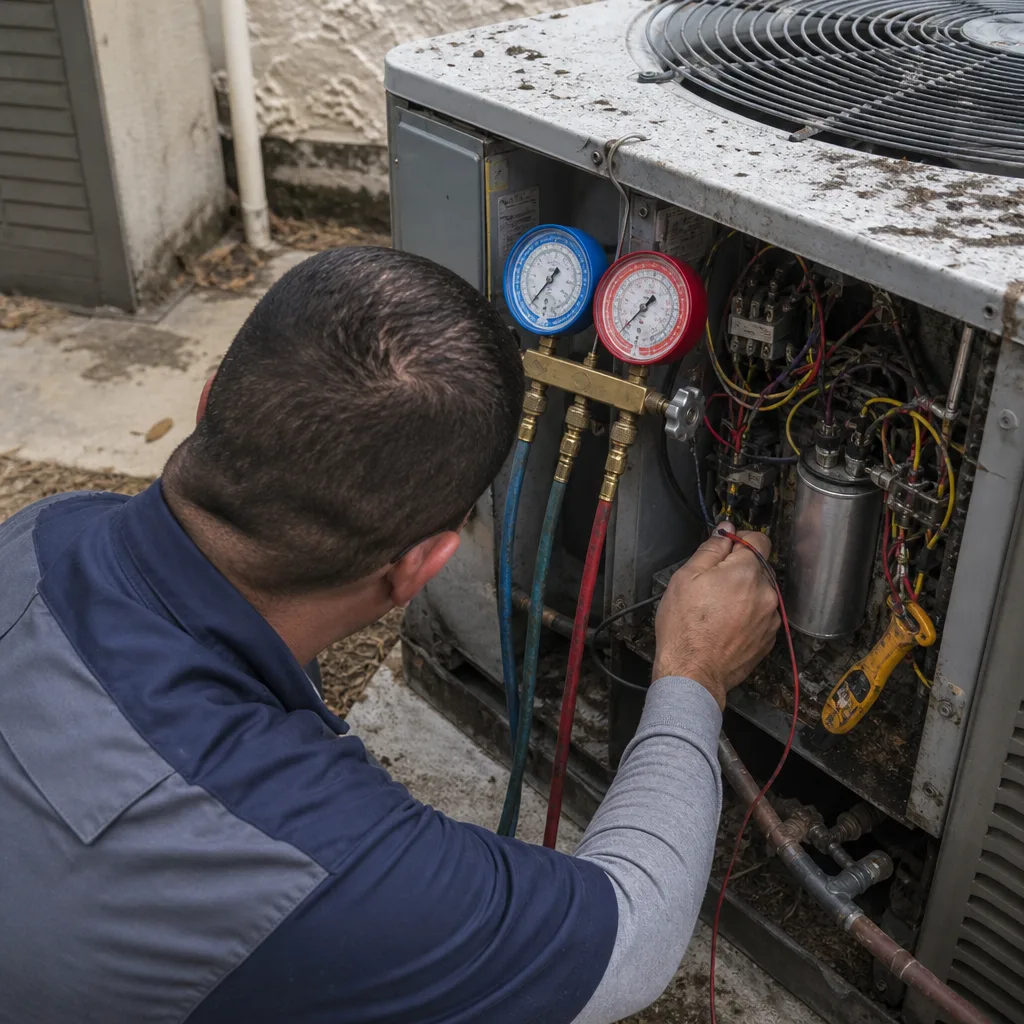
 After
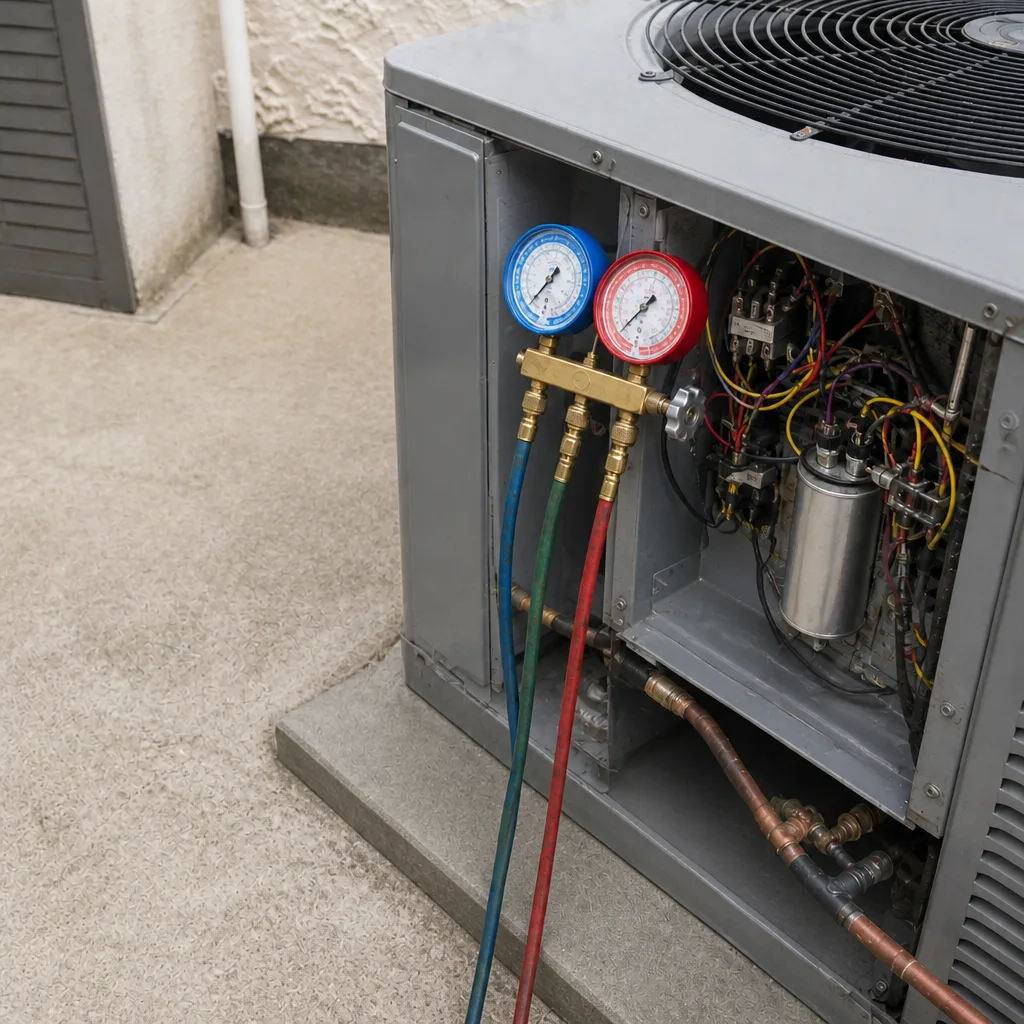
 Before
 After
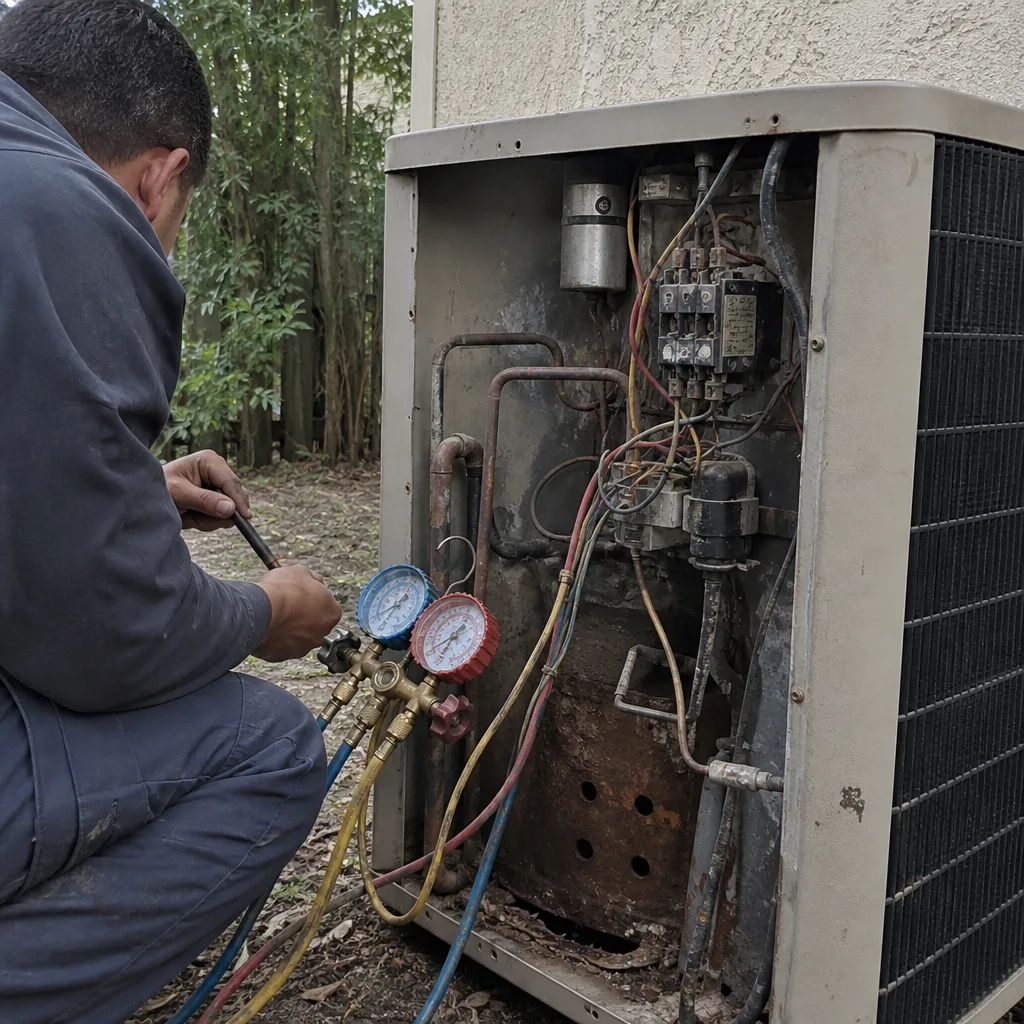 Before
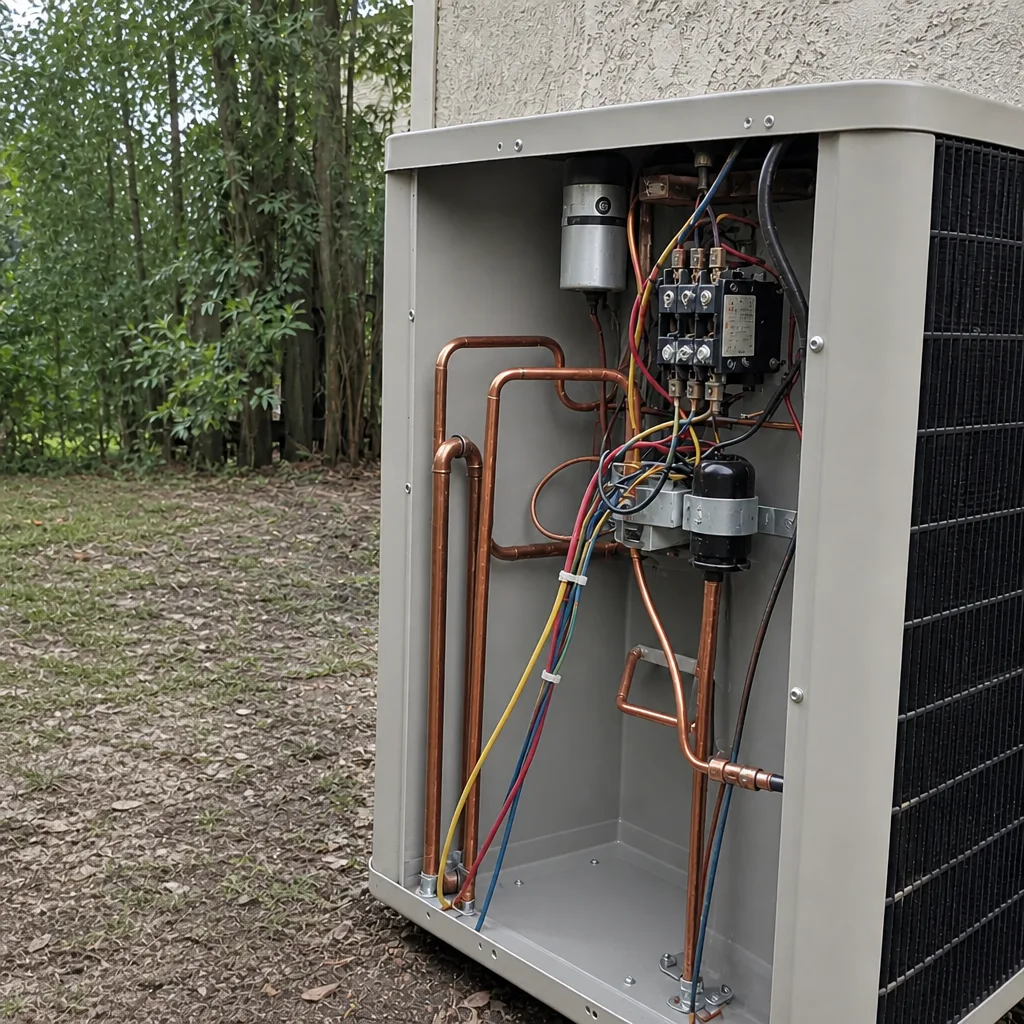 After
When to Call a Professional
Call a licensed technician when the work involves refrigerant, electrical components inside the system, gas lines, or compressor and motor replacement. Call immediately if you smell gas, see scorched wiring, or notice a breaker that won’t reset. Call when the system is making a noise it didn’t used to make, or when the repair you tried didn’t stick. And call when you’ve reached the point where the diagnosis matters more than the cost of the visit.
Ashton AC Repair offers free estimates in Hollywood, and we work on Rheem, York, Daikin, Bryant, Carrier, Trane, Lennox, Goodman, and American Standard systems with one consistent team covering both AC repair and furnace work. Call (833) 854-7099. We answer 24/7. Fast dispatch from 7am to 7pm, Sunday through Friday.
Frequently Asked Questions
No. Adding, handling, or recovering refrigerant requires EPA Section 608 certification under the Clean Air Act, and that certification applies to technicians, not homeowners. If your system is low on refrigerant, call a licensed technician for leak diagnosis and proper recharge.
You can legally change filters, flush the condensate drain line, rinse the outdoor condenser coil from the inside out, replace a thermostat, and clear vegetation around the outdoor unit. Anything involving refrigerant, electrical components, gas lines, or the compressor requires a licensed professional.
Most manufacturer warranties include language about improper installation or work by unlicensed personnel as grounds for voiding coverage. The exact wording varies by brand, but the effect is the same: work done outside their standard can cost you coverage on a future failure, including a failure unrelated to the DIY repair itself.
Every 30 to 60 days during cooling season, not the 90 days on the filter label. Hollywood systems run for most of the year, so the filter loads faster than in a shorter cooling season. Households with pets or several people should err toward 30 days.
An overcharged system can damage the compressor, reduce cooling performance, and cause the system to cycle abnormally. The compressor is the most expensive single component in your system, and overcharging can cause it to fail months after the improper work. Call a licensed technician for proper evacuation, leak repair, and recharge to the manufacturer’s specified weight.
No. Florida Statute 489.105 defines system installation as licensed contracting work, and installation also requires load calculation, permits, and inspection. A licensed contractor handles all three steps, and the written estimate sets the final price before work begins.
Turn the system off to prevent further damage, then call a licensed technician for a full diagnostic. HVAC systems often have more than one problem at a time, and a proper diagnostic sequence checks refrigerant, electrical components, airflow, and the condensate system rather than assuming the first symptom is the whole story.
Call Ashton AC Repair at (833) 854-7099. We work on nine major brands, handle both AC repair and furnace work, and offer free estimates. We answer 24/7. Fast dispatch from 7am to 7pm, Sunday through Friday.
The Bottom Line
The DIY vs. professional HVAC question in Hollywood isn’t about skill. It’s about the law, your warranty, and how hard your system works in this climate. You can legally change filters, flush the drain line, and rinse the condenser coil, and those three tasks on a schedule will genuinely extend system life. Anything involving refrigerant, electrical components, gas, or the compressor belongs with a licensed technician, both because Florida law requires it and because your manufacturer warranty depends on it. If you’re not sure which side of the line a task falls on, that’s your answer: stop, and call.
Call (833) 854-7099 for a free estimate. We answer 24/7. Fast dispatch from 7am to 7pm, Sunday through Friday.
Written by the team at Ashton AC Repair.