
Last updated November 15, 2026
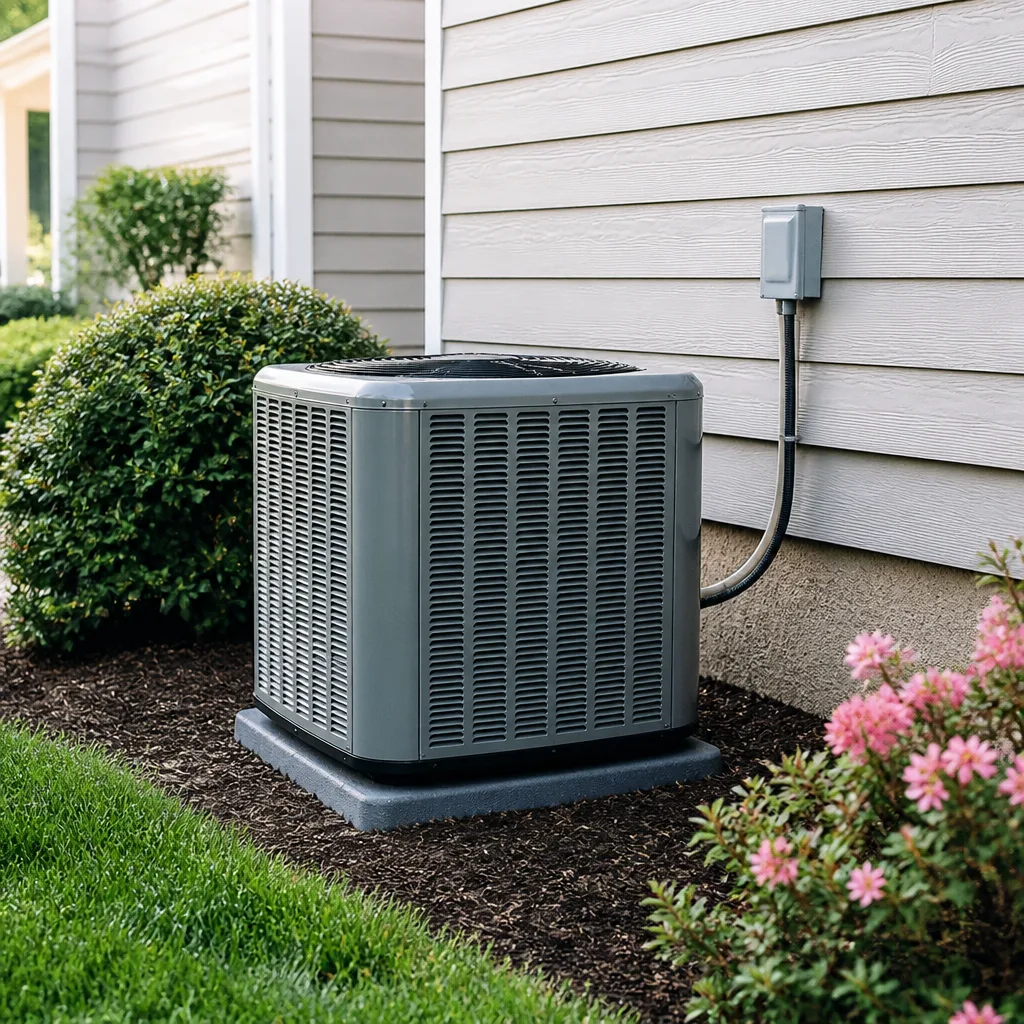 AC repair
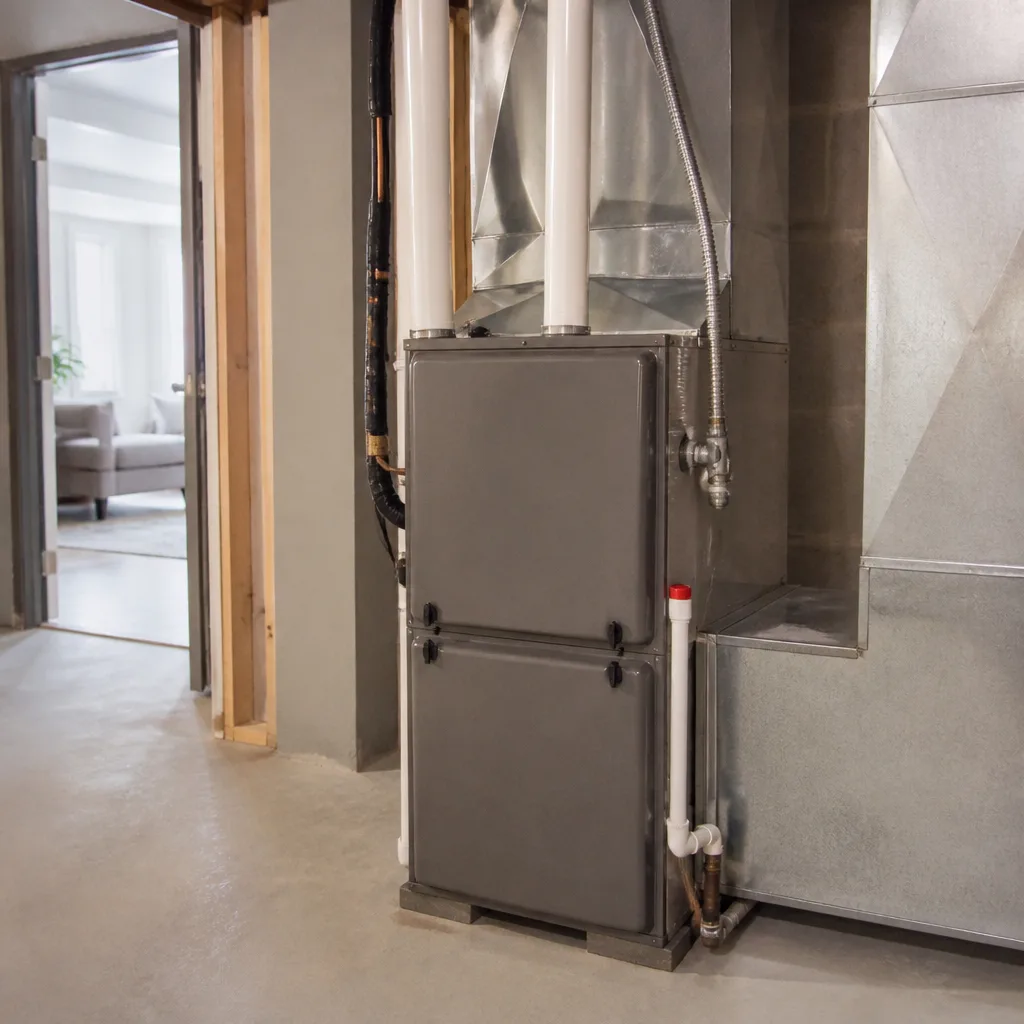 Furnace & heating
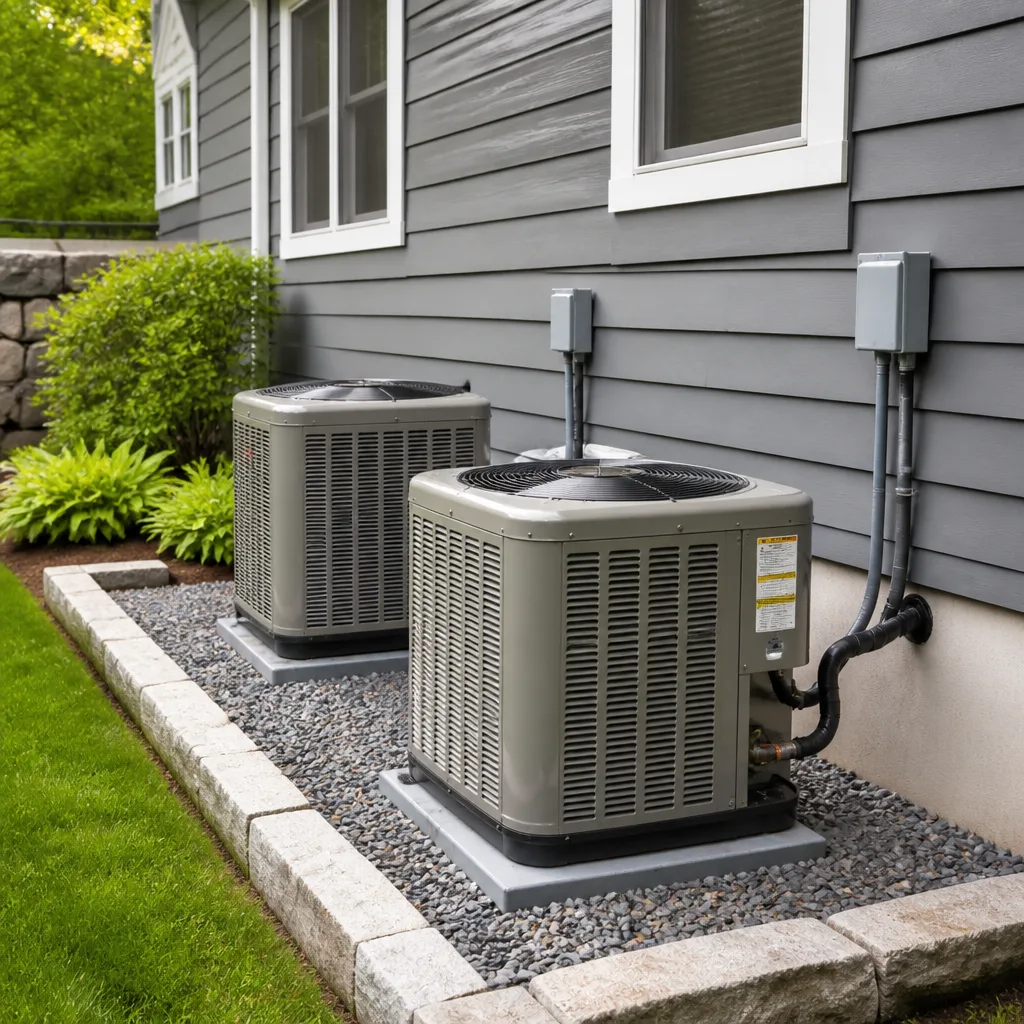 Heat pumps
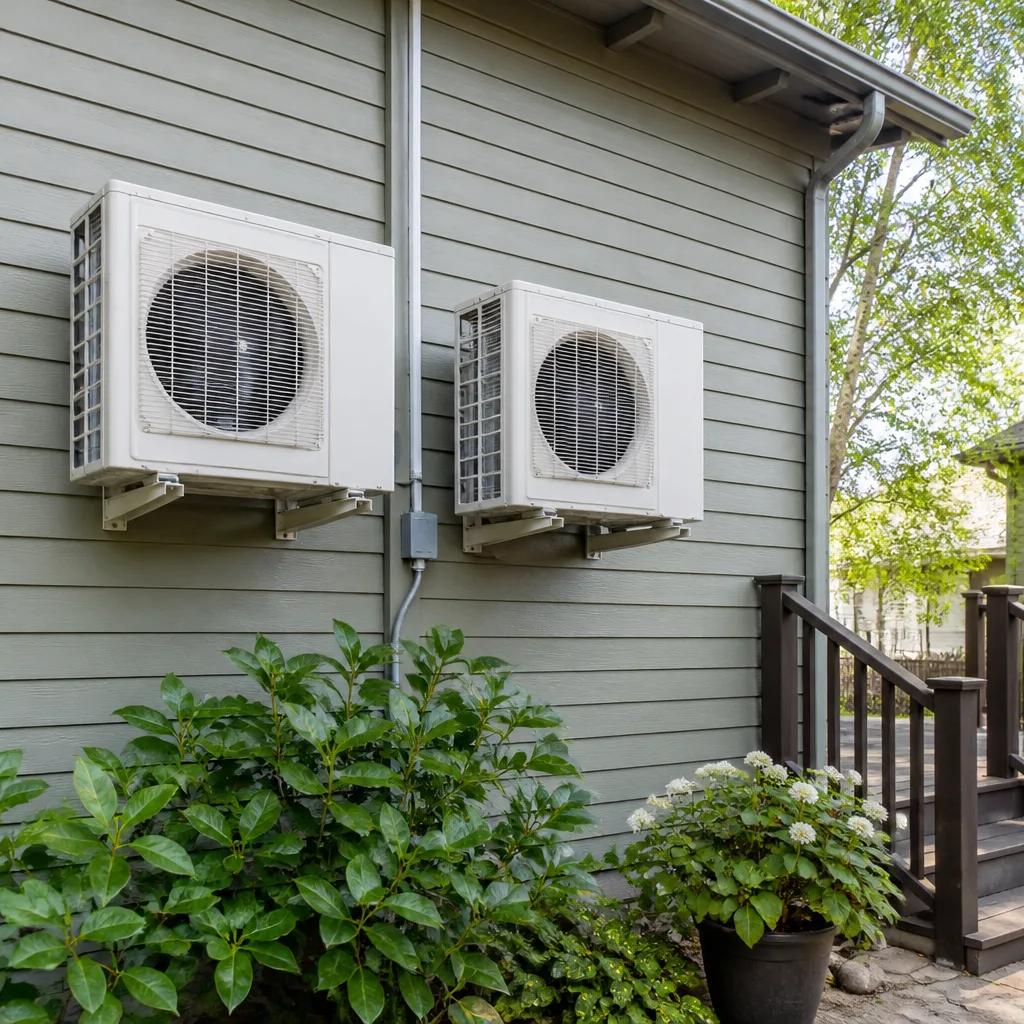 Ductless mini splits
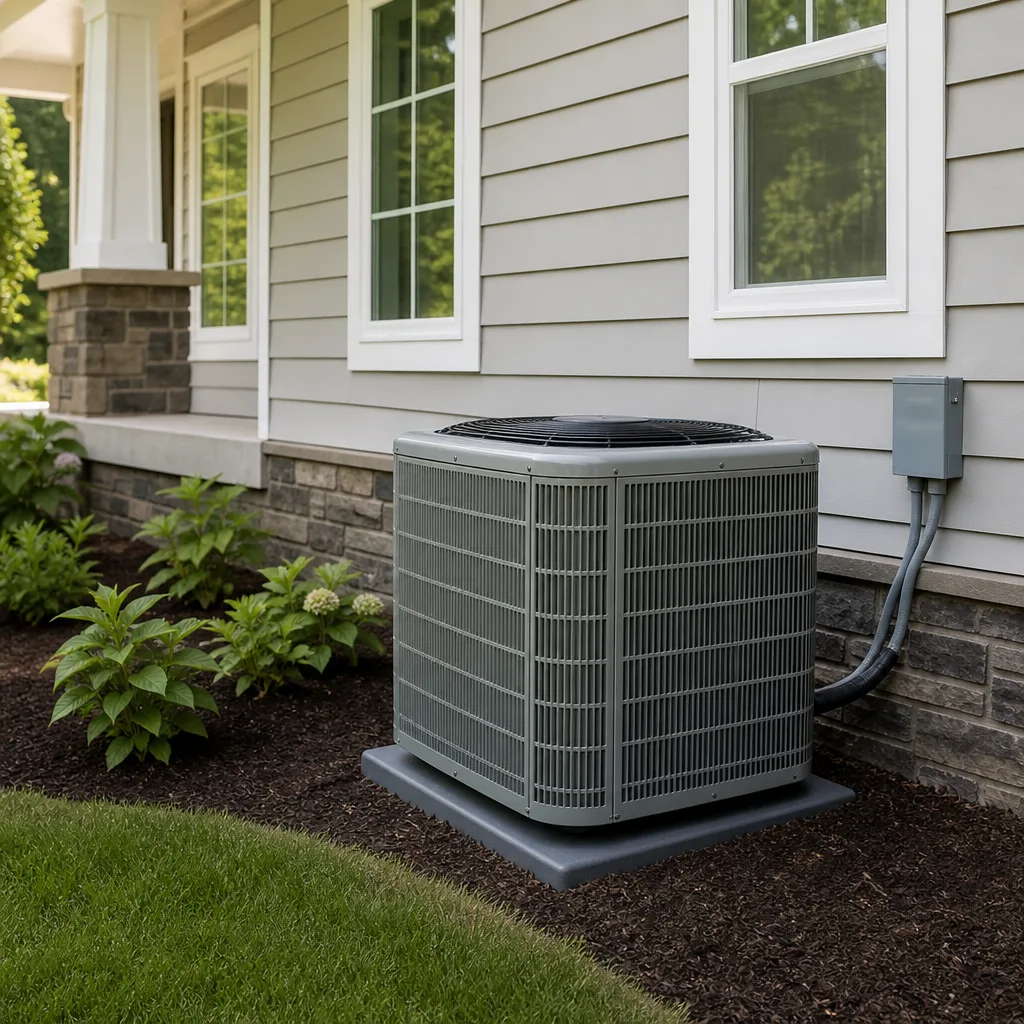 Carrier
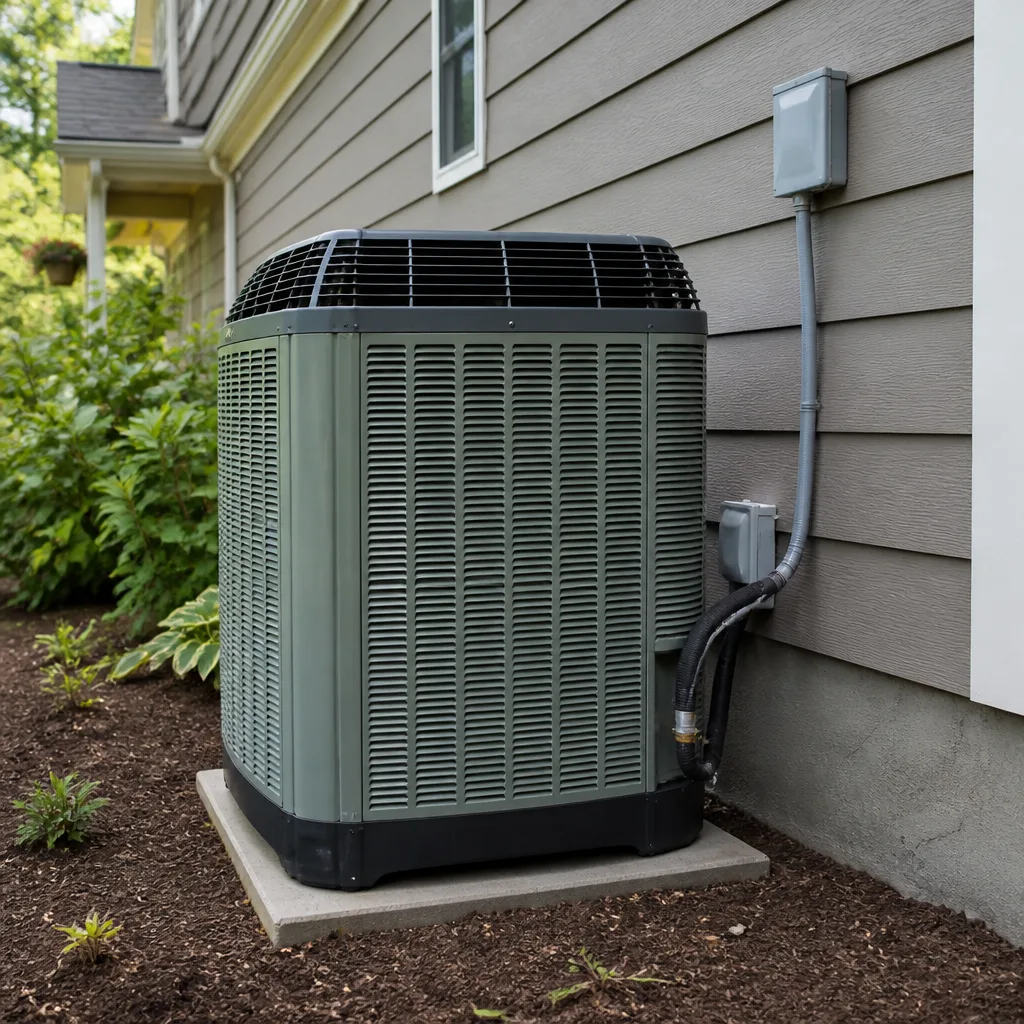 Trane
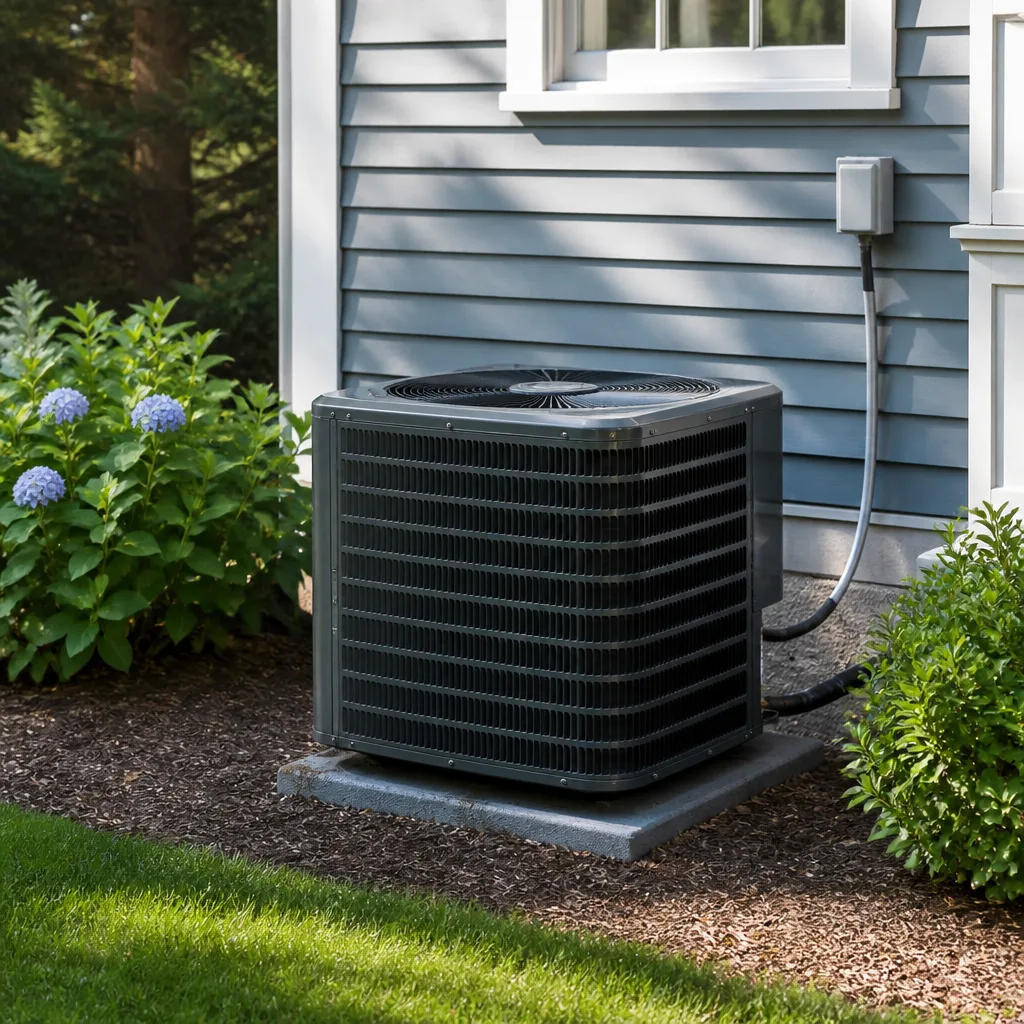 Goodman
Seasonal tune-up and full diagnostic on your Carrier, Trane, or Goodman system - readings shown to you before any repair is proposed
Diagnosis first, numbers second - you approve the repair price before a single part goes in.
Get your free estimateHow to Hire an HVAC Contractor in Hollywood: A Step-by-Step Guide
The most common HVAC complaint in Hollywood isn’t a failed repair. It’s a system that was “fixed” but never diagnosed correctly in the first place. That happens most often when the contractor only services two or three brands and retrofits whatever solution is closest to hand, rather than the one your equipment actually calls for. A Carrier system and a Goodman system can fail in similar ways and still need very different approaches, parts, and troubleshooting. This guide walks through the screening questions, licensing checks, and estimate details that separate a qualified Hollywood HVAC contractor from one you’ll be calling again in six months.
Quick Answer
To hire an HVAC contractor in Hollywood, verify the contractor holds an active Florida CAC, CACO, or CMC license through the state DBPR lookup, confirm they pull a Broward County permit for any replacement or major repair, ask which equipment brands they actually service and how they diagnose multi-brand systems, and insist on a written, line-item estimate that includes a Manual J load calculation for any new install. Read every quote for what it says about equipment sizing and permit responsibility, not just the bottom number.
Styles & brands we work with
- AC repair
- Furnace & heating
- Heat pumps
- Ductless mini splits
- Carrier
- Trane
- Goodman
Table of Contents
- Step 1: Verify the License (CAC, CACO, or CMC)
- Step 2: Ask Which Brands They Actually Service
- Step 3: Understand Broward County Permits
- Step 4: Read the Estimate Like a Technician
- Step 5: Demand a Manual J Load Calculation
- Step 6: Spot South Florida Red Flags Early
- Step 7: Repair or Replace – Get an Honest Answer
- Step 8: The Questions to Ask Before You Sign
Step 1: Verify the License (CAC, CACO, or CMC)
Florida doesn’t license HVAC contractors the way most homeowners assume. There’s no single “HVAC license” – there are three separate license classes, and knowing which one applies to your job matters before you sign anything. The Florida Department of Business and Professional Regulation (DBPR) maintains a free public database where you can look up any contractor by name or license number in under a minute.
The three classes you’ll encounter:
- CAC (Certified Air Conditioning Contractor) – the standard license for residential and light commercial AC and heating repair and installation. If you’re hiring for a Hollywood home, this is what you want to see.
- CACO (Certified Air Conditioning Class A) – a broader license that permits work on larger commercial systems. Sometimes held by residential contractors as well.
- CMC (Certified Mechanical Contractor) – covers larger mechanical systems including commercial refrigeration and process cooling. Overkill for a single-family home, but valid on larger systems.
Any of the three is legitimate for its intended scope. What isn’t legitimate is a contractor operating on a “handyman” license – that covers general repairs, not HVAC. Handyman licensing doesn’t permit the contractor to pull HVAC permits, and it likely means no insurance coverage specific to refrigerant handling, electrical work, or gas connections.
How to verify in under five minutes
- Go to the Florida DBPR licensing portal and open the license search.
- Search by the contractor’s business name or the license number on their card.
- Confirm the status is Active – not “Delinquent,” “Suspended,” or “Null and Void.”
- Check the license class matches the scope of your job (CAC for residential).
- Cross-check the name on the license matches the name on the estimate.
If a contractor can’t hand you a license number before the estimate, that alone tells you what you need to know. In our experience, contractors who do this work every day have their license number printed on the invoice header, the truck, and the estimate.
Step 2: Ask Which Brands They Actually Service
This is the single most revealing question you can ask an HVAC contractor, and almost nobody asks it. “What brands do you service?” – followed by “how do you diagnose a system you don’t work on often?” – reveals more about a contractor’s real capability than any review or referral.
Here’s why it matters. Every major HVAC brand has its own control boards, refrigerant metering designs, diagnostic fault codes, and parts catalogues. A technician who works mainly on Carrier and Trane systems will be fast and accurate on those, and slower on a Lennox or Goodman system they see twice a year. That’s not a knock on the technician – it’s just how pattern recognition works. The gap shows up as a longer diagnostic visit, a guess-based repair, or a “we don’t really work on those” deflection.
What the right answer sounds like
A seasoned contractor will tell you specifically which brands they service, how many, and why. They’ll also tell you which brands they know best and which they see less often – honesty about limits is a green flag, not a red one. Our team at Ashton AC Repair is certified to work on nine of the most widely installed brands in North America, including Carrier, Trane, Lennox, and Goodman. That breadth means we can diagnose most residential systems without a referral, but it also means we’ve seen the specific failure modes that show up across brands and the ones that are unique to each.
What the wrong answer sounds like
- “We work on all brands” – with no specifics about which, or how many. This often means “we try, and if it’s something unusual we refer you.”
- Naming only one brand, or only the brand they install most. That can be fine for a warranty call, but it’s a warning sign for anything complex.
- “We’ll figure it out when we’re there.” – a technician arriving without brand-awareness often arrives without the right parts either.
Multi-brand familiarity isn’t about being a generalist for its own sake. It’s about the technician recognizing the specific symptom pattern of a Lennox control board versus a Rheem one, and being able to name the part before the truck rolls. That’s the difference between one visit and three, and in Hollywood’s summer heat, one visit matters.
Step 3: Understand Broward County Permits
Any HVAC replacement or major repair in Hollywood requires a permit from Broward County. Not always a building permit – some minor swap-outs fall under a mechanical permit – but replacements and system changes almost always need one. Skipping the permit is one of the most common shortcuts in South Florida’s contractor market, and it costs homeowners more than they realize.
When a permit is pulled, the work is inspected. The inspector confirms equipment sizing, refrigerant line integrity, electrical connections, and that the work matches the scope on the application. Without that inspection, you own every problem that surfaces later – and if you ever sell the home, an unpermitted HVAC install can become a disclosure item that puts a buyer’s inspection report in play.
What a valid Hollywood HVAC permit looks like
- A permit number issued by Broward County – printed on the estimate or provided before work begins.
- The permit name matching the licensed contractor pulling it, not the homeowner.
- The work scope on the permit matching what the contractor is actually planning to do.
- A scheduled inspection after the install, not just a sign-off on the contractor’s word.
Ask for the permit number before signing. A contractor who hesitates, or suggests the permit “isn’t necessary,” is either cutting a corner or holding a license that doesn’t allow them to pull one. Either way, the risk lands on you. Hollywood homes of every era, from the older properties near downtown to newer builds west of I-95, require this step, and a quality contractor won’t flinch at the question.
Step 4: Read the Estimate Like a Technician
Estimates vary wildly in quality. Some are a one-page summary with a bottom-line price and an equipment model number. Others are multi-page documents with line-item pricing, load calculations, permit responsibility, and clearly stated workmanship terms. The difference isn’t just paperwork – it’s a signal of how the contractor thinks.
A proper HVAC estimate should include, at minimum, these line items:
- Equipment make, model, and capacity (in tons) – not “3-ton unit” generically, but the exact model and nominal capacity.
- Manual J load calculation reference – a short summary of how the size was determined. More on this in the next section.
- Line set and drain line handling – whether existing lines will be reused, replaced, or flushed.
- Electrical work – disconnect, whip, breaker, or disconnect replacement, spelled out.
- Permit and inspection – listed as a line item with cost, not absorbed silently.
- Removal and disposal of old equipment – some contractors roll this in, some bill separately.
- Warranty details – manufacturer’s parts warranty term, labor warranty term, and what voids each.
- Exclusions – ductwork modifications, drywall repair, thermostat upgrades if not included.
If the estimate is thin on any of these, ask directly. A confident contractor will expand the estimate; a shortcut contractor will push back on the question. Comparing estimates is only meaningful when the scope is the same, so push every bidder to a comparable line-item format before comparing numbers. A quote that’s $500 cheaper but excludes permit, disposal, and line-set replacement isn’t cheaper – it’s a different scope.
Step 5: Demand a Manual J Load Calculation
Manual J is the industry-standard method for calculating how much heating and cooling capacity your home actually needs. It factors in square footage, window area and orientation, insulation, ceiling height, duct location, and the local climate for that specific property. Without it, equipment sizing is a guess.
Why does this matter in Hollywood specifically? Because South Florida’s cooling load is dominant and specific. A house near the Intracoastal with larger west-facing windows has a very different load than a similar-sized home west of the turnpike with interior-block walls. A contractor who sizes by square footage alone – “1 ton per 500 square feet” – will oversize some homes and undersize others. Both problems are expensive.
What oversizing and undersizing look like
- Oversized equipment cools fast but runs short cycles, which means poor humidity removal. In a South Florida summer, a system that hits the thermostat setting quickly but leaves the house feeling clammy is a symptom of oversizing, not a fault in the equipment.
- Undersized equipment runs continuously trying to keep up, wears out sooner, and can never quite hold setpoint on the hottest afternoons.
Requesting the load calculation isn’t a sign of distrust – it’s what a contractor doing proper work expects. If they’ve run one, they should be happy to send the summary page. If they haven’t, ask why. Your new AC installation should start with a calculation, not a catalogue.
Step 6: Spot South Florida Red Flags Early
South Florida’s contractor market has a few specific patterns that homeowners should recognize before money changes hands. These aren’t unique to Hollywood, but they appear consistently along the I-95 corridor and throughout Broward County.
Red flag 1: “Handyman” HVAC work
Unlicensed work sold as handyman repair is common after a system failure, when a homeowner is in a hurry and the first person to answer the phone sounds confident. If a contractor can’t produce a CAC license number, they’re not legally permitted to do the repair. That’s not a nitpick – it likely means no permit, no inspection, and no insurance covering the work.
Red flag 2: Permit-pulling shortcuts
You’ll hear variations of “we don’t pull a permit for a straight swap” or “permits slow the job down.” Both are warning signs. In Broward County, replacement installs require permitting, and any licensed contractor should be pulling them as standard practice. If a bidder is suggesting otherwise, they’re asking you to absorb the risk of an unpermitted install.
Red flag 3: Replacement pressure
“Your system is on its last legs” is the most commonly misused line in the trade. Sometimes it’s true – a 15-year-old system with a failed compressor and a refrigerant leak is often a replace, not a repair. But it’s only an honest recommendation if the contractor can point to specific failed components, explain the repair cost, and explain the replacement cost against a realistic remaining service life. If the recommendation is based on age alone, ask for the diagnostic evidence.
Red flag 4: Estimates without model numbers
If the quote says “Carrier 3-ton unit” without a model number, you can’t compare it to another bid. Insist on a full model number for the condenser and the air handler, plus the SEER rating listed explicitly. A quote that won’t commit to a model is a quote you can’t shop.
Step 7: Repair or Replace – Get an Honest Answer
This is the decision most Hollywood homeowners actually want help with, and it’s the one contractors are most tempted to steer. The honest answer depends on three things: the age and remaining life of the equipment, the cost and nature of the repair, and whether the system has been properly sized and installed in the first place.
A useful framework any contractor should be willing to walk through:
- What failed, specifically? A capacitor, contactor, or thermostat is a low-cost repair and almost always worth doing. A compressor or evaporator coil is a much larger decision.
- How old is the system, and what’s left? Most residential systems have a realistic service life in the neighborhood of 12 to 15 years in Florida’s climate, but usage and installation quality shift that significantly.
- Has the system been failing repeatedly? One failed capacitor is a repair. Three compressor-related failures in eighteen months is usually a replace.
- Is the current system correctly sized? If it was installed without a Manual J and has been struggling since day one, replacing gives you a chance to size correctly.
- Is the ductwork healthy? Bad ductwork can make a new system underperform, so it’s worth asking whether the ducts need attention in parallel.
A contractor who recommends replacement without walking this framework is guessing. A contractor who recommends repair without discussing these factors is also guessing. The right answer takes a few minutes of diagnostic conversation, and it’s the kind of thing we spend most of our diagnostic time on – AC repair should be based on what’s actually failing, not on what’s most profitable to recommend.
Step 8: The Questions to Ask Before You Sign
Bring this list to every estimate. The answers will tell you more than any review or referral.
- What’s your Florida license number? (Verify it separately on the DBPR site.)
- Which brands do you service, and how did you train on them? (Specific brand names, specific diagnostic training.)
- Will you pull the Broward County permit, and what’s the number? (Ask for it before work starts.)
- Can I see the Manual J load calculation for the replacement? (Ask for the summary page.)
- What’s the model number of the equipment you’re quoting? (Both condenser and air handler.)
- What’s the parts warranty and labor warranty, and what voids them? (Registration matters on parts warranties.)
- What’s excluded from this estimate? (Ductwork, drywall, electrical upgrades, disposal.)
- What’s your diagnostic process when the failure is intermittent? (Listen for specific tests, not general reassurance.)
- Do you pull permits on repairs, or only replacements? (Replacement always; major repairs often.)
- What’s the plan for handling refrigerant recovery and disposal? (A legitimate contractor will have a clear answer.)
Any contractor worth hiring will answer most of these without hesitation. The few they don’t know offhand, they should be able to get back to you on. The answers matter more than the price on the estimate, because the price on the estimate is only as reliable as the scope underneath it. Ashton AC Repair handles AC repair and furnace work on the same multi-brand foundation, so the questions above apply whether you’re weighing a repair visit or a full system replacement.
Common Mistakes to Avoid
- Hiring based on the lowest bid alone. A bid that’s $700 under the rest is usually cheaper because it excludes permit, disposal, or line-set replacement. Read the scope before comparing numbers.
- Skipping the DBPR license verification. It takes two minutes and it’s the single most important check you can make. If the license class doesn’t match the job, walk away.
- Accepting “we don’t need a permit for this” in Broward County. Replacement installs require permitting, and unpermitted work becomes a disclosure problem at resale.
- Buying equipment sized by square footage alone. Hollywood homes vary widely in load, and correct sizing requires a Manual J calculation, not a rule of thumb.
- Hiring a single-brand contractor for a brand they don’t know well. Ask which brands they work on regularly, and be honest with yourself about what their answer implies.
- Confusing “we’ll be back in six months” with a warranty. If the quote doesn’t clearly state the parts and labor warranty terms, ask for them in writing.
- Not asking which parts will be replaced. A repair quote that says “fix AC” without naming the components is a quote you can’t evaluate after the fact.
See the difference
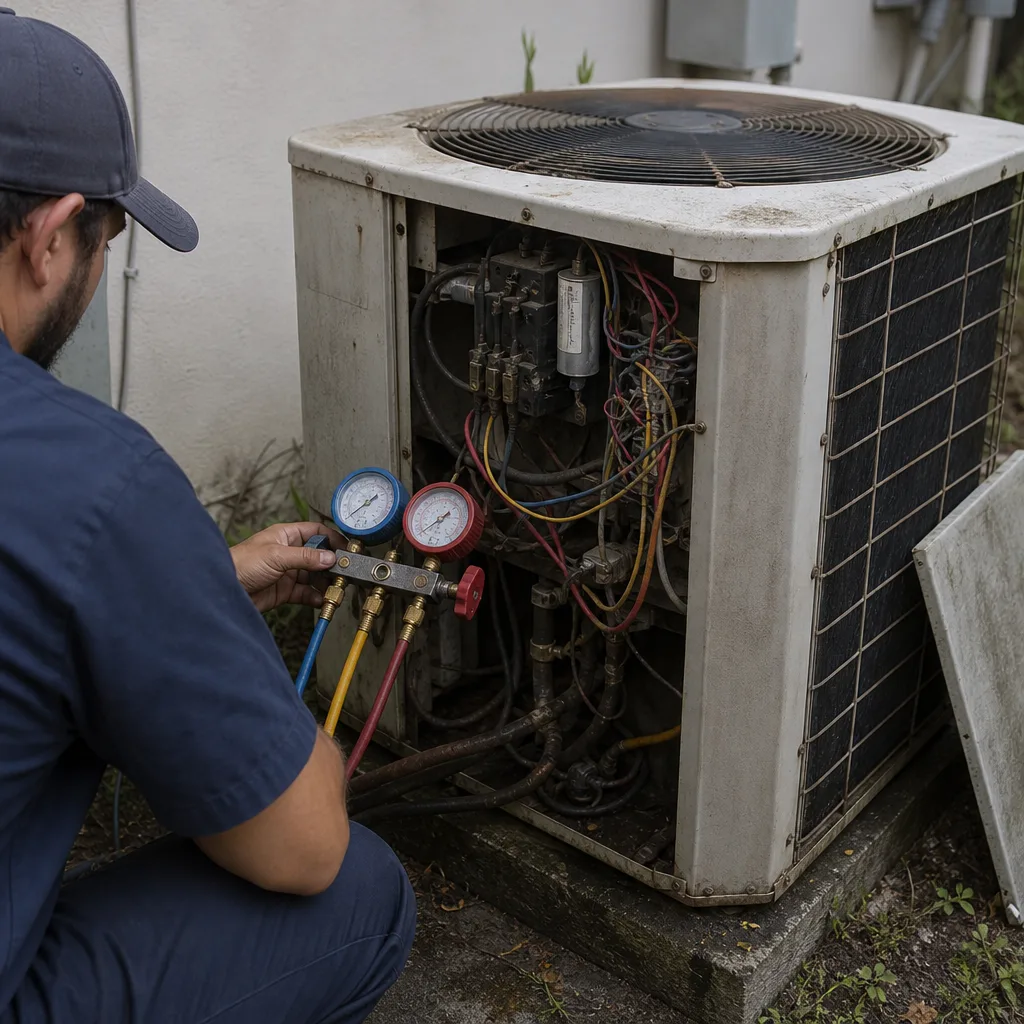 Before
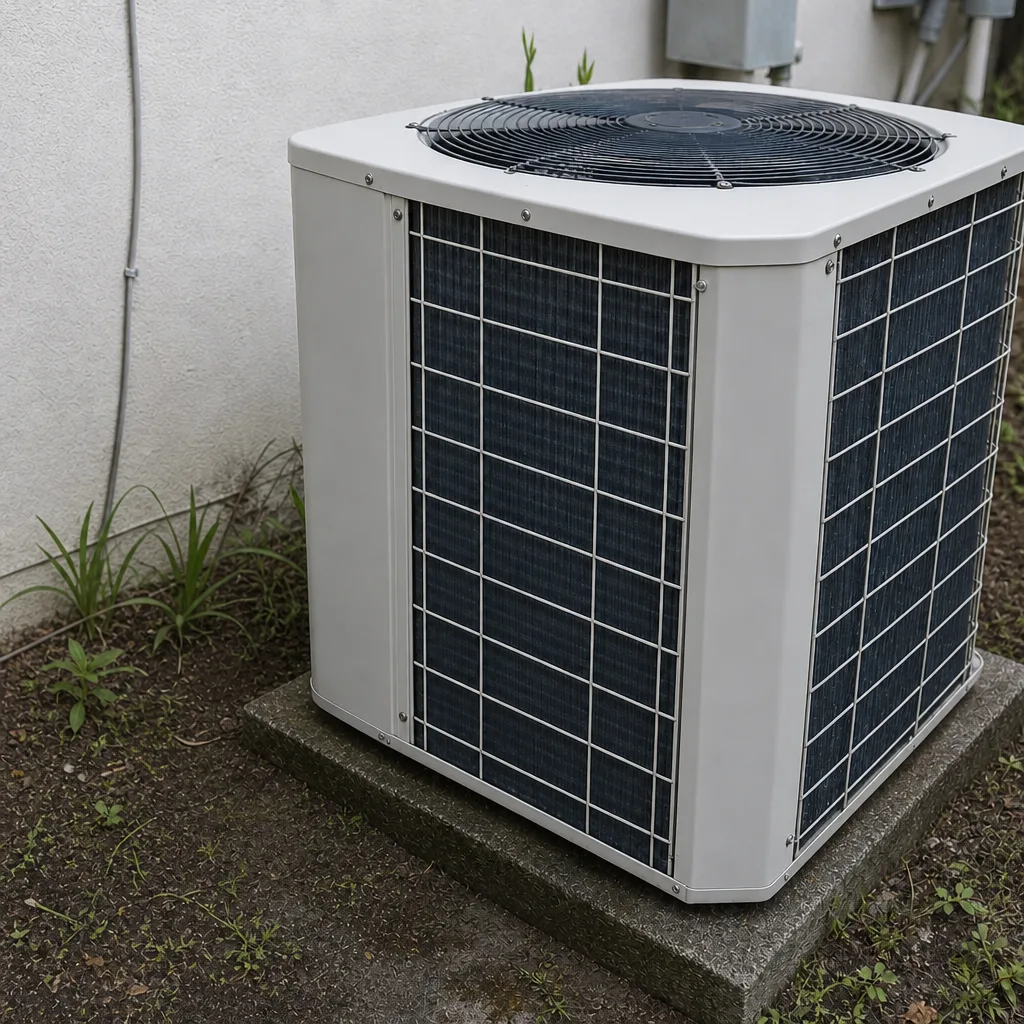 After
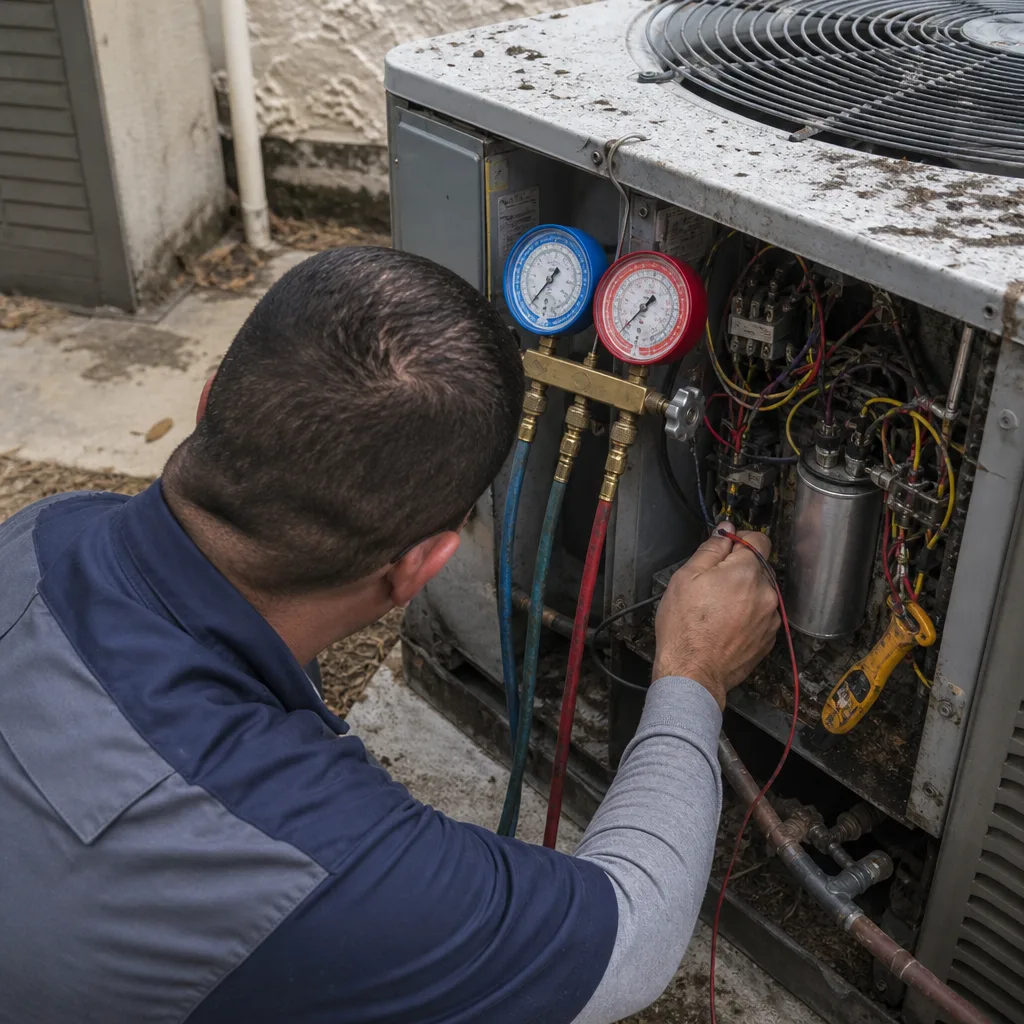 Before
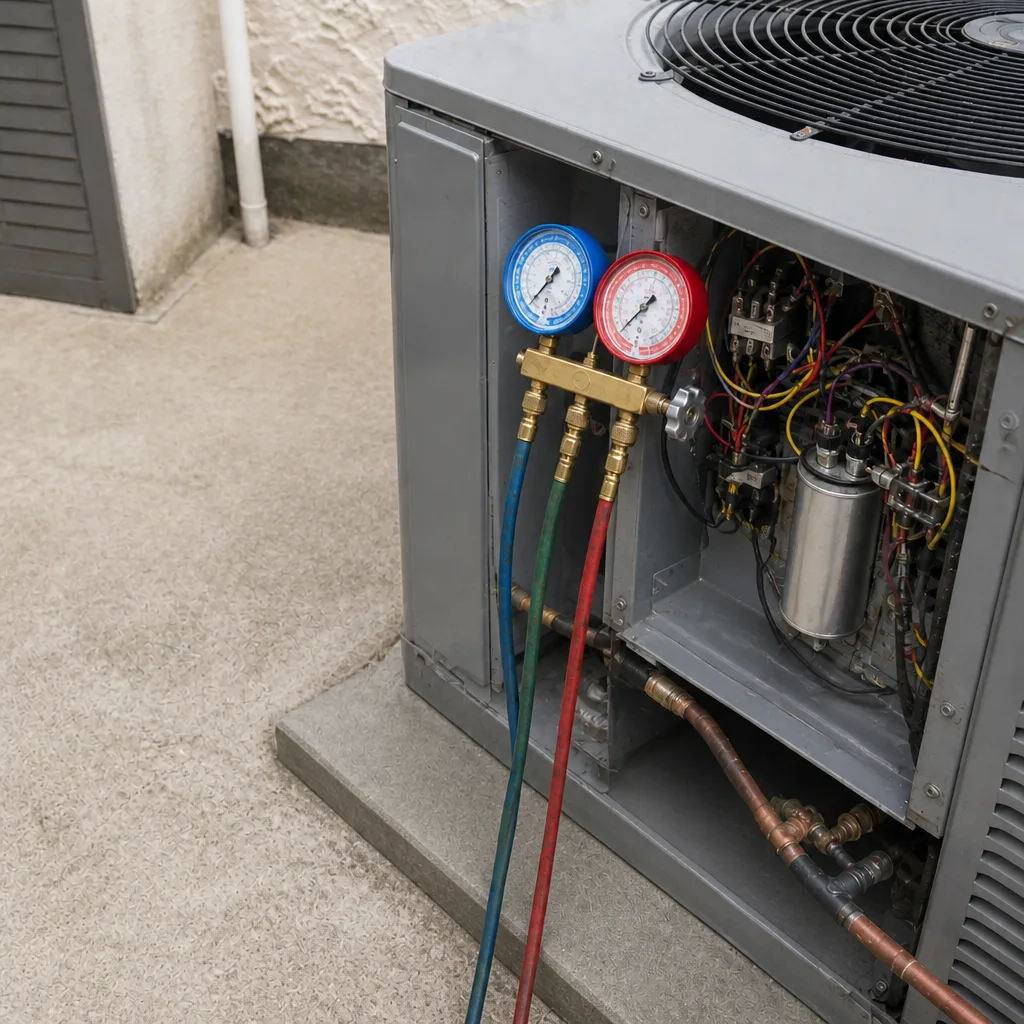 After
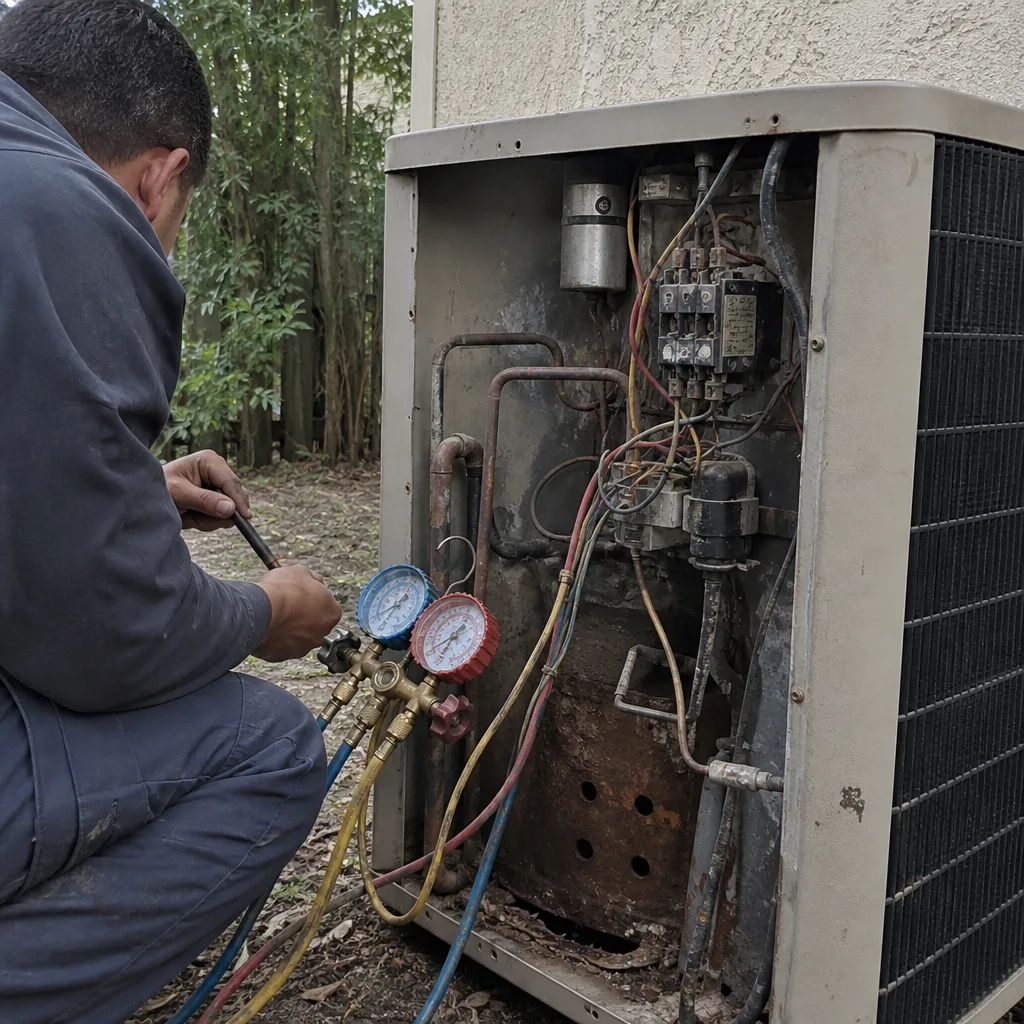 Before
 After
When to Call a Professional
Some HVAC problems are genuinely worth a professional visit rather than a DIY attempt. Refrigerant handling is regulated, and the recovery, evacuation, and recharge process requires specialized equipment and certification – this isn’t a homeowner job. Electrical work inside the air handler and at the disconnect should be handled by a licensed technician, particularly when the issue might be a failed capacitor or contactor that requires safely isolating power before diagnosis. Gas furnace work carries similar cautions around combustion safety and venting, and those should always be referred to a licensed contractor. And if your system is only a few years old but has been failing repeatedly, that pattern needs diagnostic attention from someone familiar with your specific brand, not a series of guesses. As Ashton AC Repair, we offer free estimates in Hollywood – call (833) 854-7099 to schedule a visit. We answer 24/7, and fast dispatch from 7am to 7pm, Sunday through Friday, gets a technician to the property quickly when the system fails.
Frequently Asked Questions
An HVAC contractor working in Hollywood needs a Florida CAC, CACO, or CMC license from the state DBPR, with CAC being the standard class for residential work. Verify the license number through the DBPR public database before signing any estimate. If a contractor can’t produce a license number, they shouldn’t be doing the work. Call (833) 854-7099 for a free estimate from a licensed contractor. We answer 24/7.
Yes. Any HVAC replacement in Hollywood requires a Broward County permit, and the installer is responsible for pulling it. Ask for the permit number before work begins, and confirm it’s in the contractor’s name, not yours. An unpermitted install creates risk at resale and removes the inspection layer that catches sizing and electrical problems. Call (833) 854-7099 for a written estimate that lists permit responsibility as a line item.
Pricing varies by system size, brand, efficiency, and whether ductwork or line-set work is included, so the honest answer requires a written estimate based on your specific home. A Manual J load calculation determines what size you actually need, and that determines the price range. Call (833) 854-7099 – estimates are free, and the written estimate sets the final price.
A contractor servicing five or more of the major brands (Carrier, Trane, Lennox, Goodman, Rheem, York, Daikin, Bryant, American Standard) is generally a better fit for multi-brand homes than a single-brand specialist. Ask which brands they know best and which they see less often – the honest answer reveals real capability. Call (833) 854-7099 to schedule a diagnostic visit on any of these brands.
Same-day service is often possible for diagnostic visits and common repairs, depending on the day and the technician’s route. Replacement installs are load-calculated and scheduled, so those are never same-day. Call (833) 854-7099 for exact timing. We answer 24/7. Fast dispatch from 7am to 7pm, Sunday through Friday.
The right answer depends on which component failed, how old the system is, and whether it was sized correctly in the first place. A capacitor or contactor failure is usually a repair; a failed compressor on a system near the end of its realistic service life is usually a replace. Ask the contractor to walk through the diagnostic evidence before you decide. Call (833) 854-7099 for a free estimate and an honest repair-or-replace assessment.
The Bottom Line
Hiring an HVAC contractor in Hollywood isn’t really about price and reviews – it’s about verifying license class, understanding brand coverage, insisting on Broward County permitting, and reading the estimate for what it says about load calculation, equipment sizing, and scope. Get those four right and you’ll avoid most of the shortcuts that plague the South Florida market. The questions in this guide work for any licensed contractor, on any brand, in any season. And when a system fails and you need a diagnostic you can trust, that’s the work we do: nine brands, one call, right diagnosis first, repair or replace honestly assessed. Call (833) 854-7099 for a free estimate. We answer 24/7, and fast dispatch from 7am to 7pm, Sunday through Friday, gets a technician to your door quickly.
Written by the team at Ashton AC Repair.