
Last updated November 15, 2026
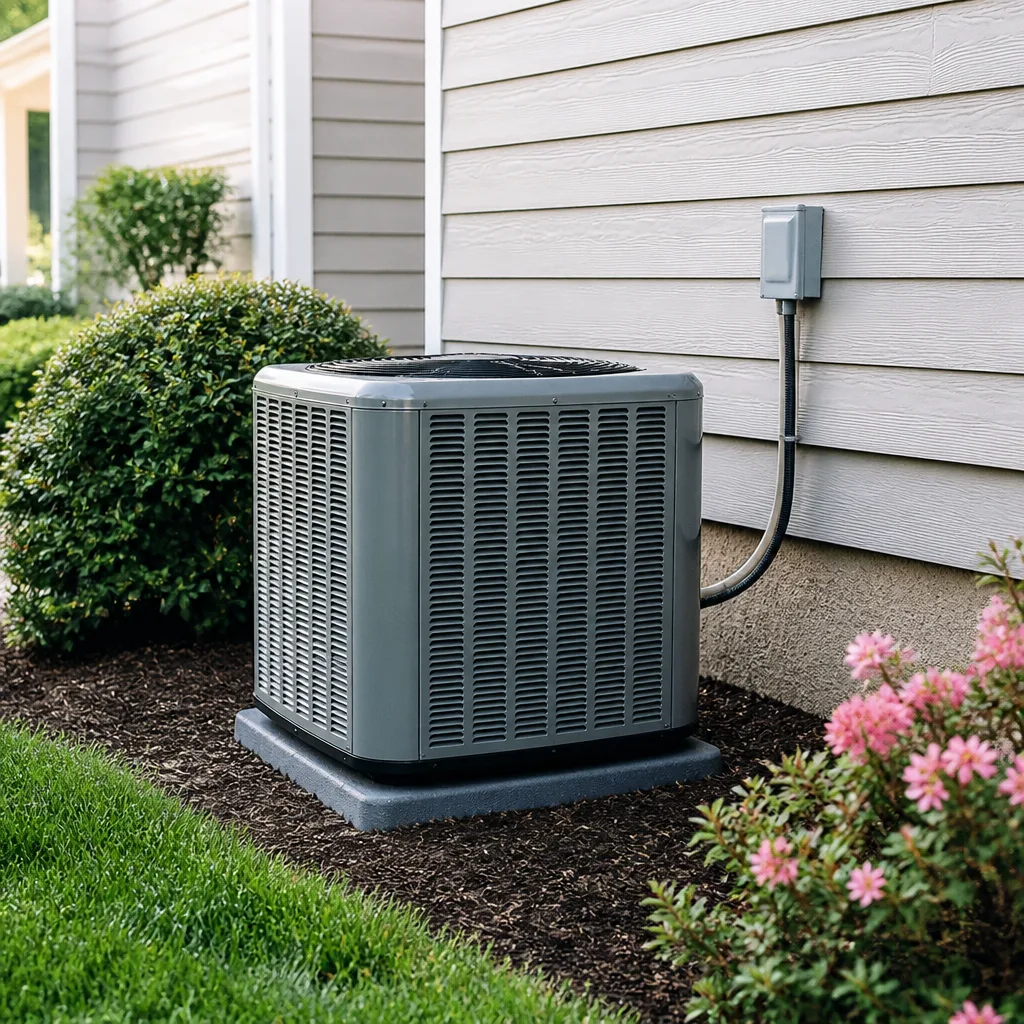 AC repair
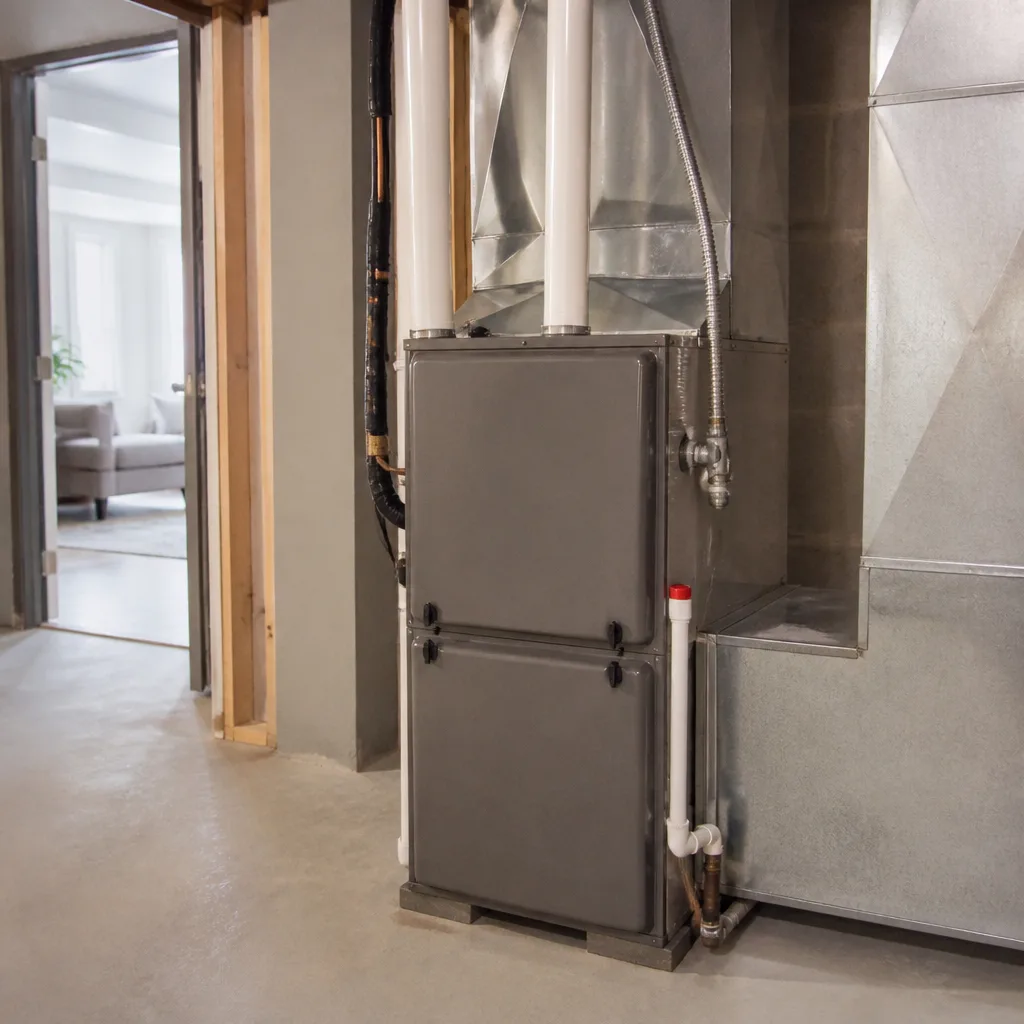 Furnace & heating
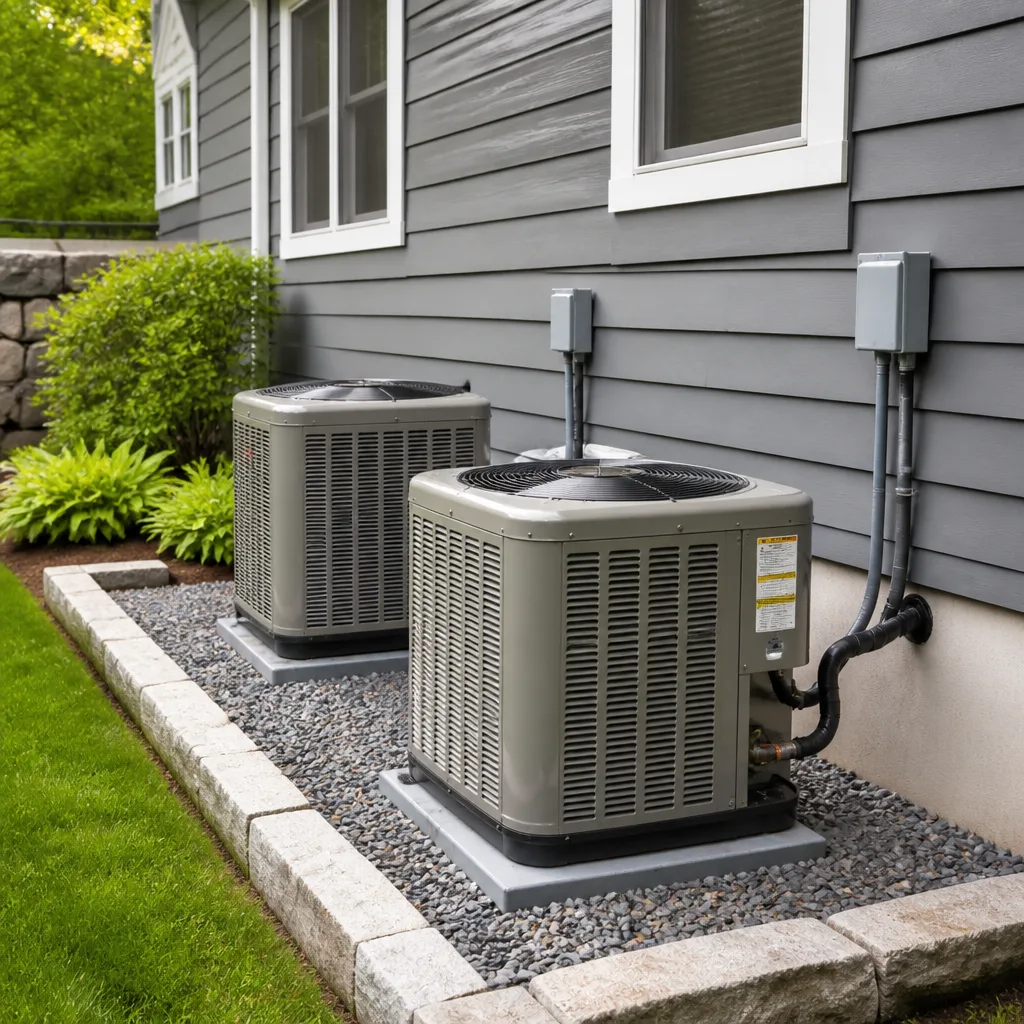 Heat pumps
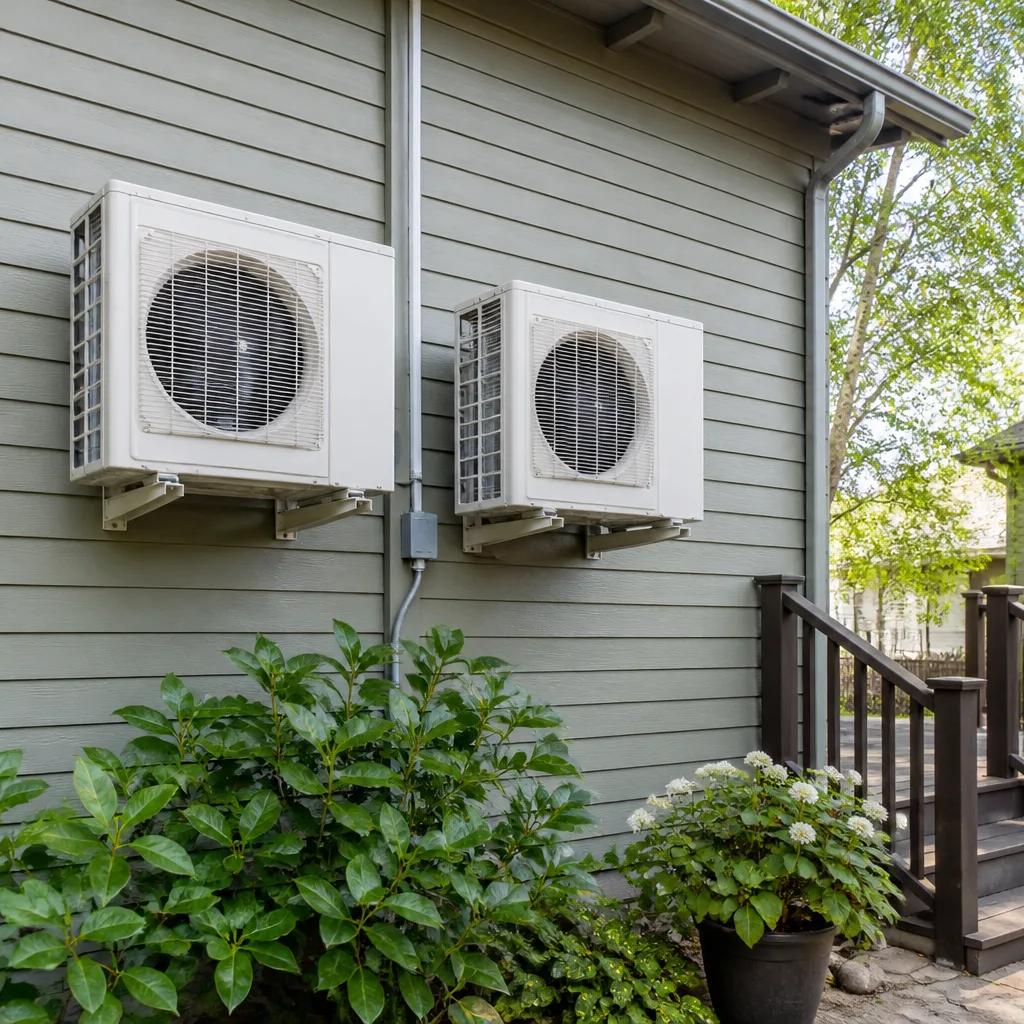 Ductless mini splits
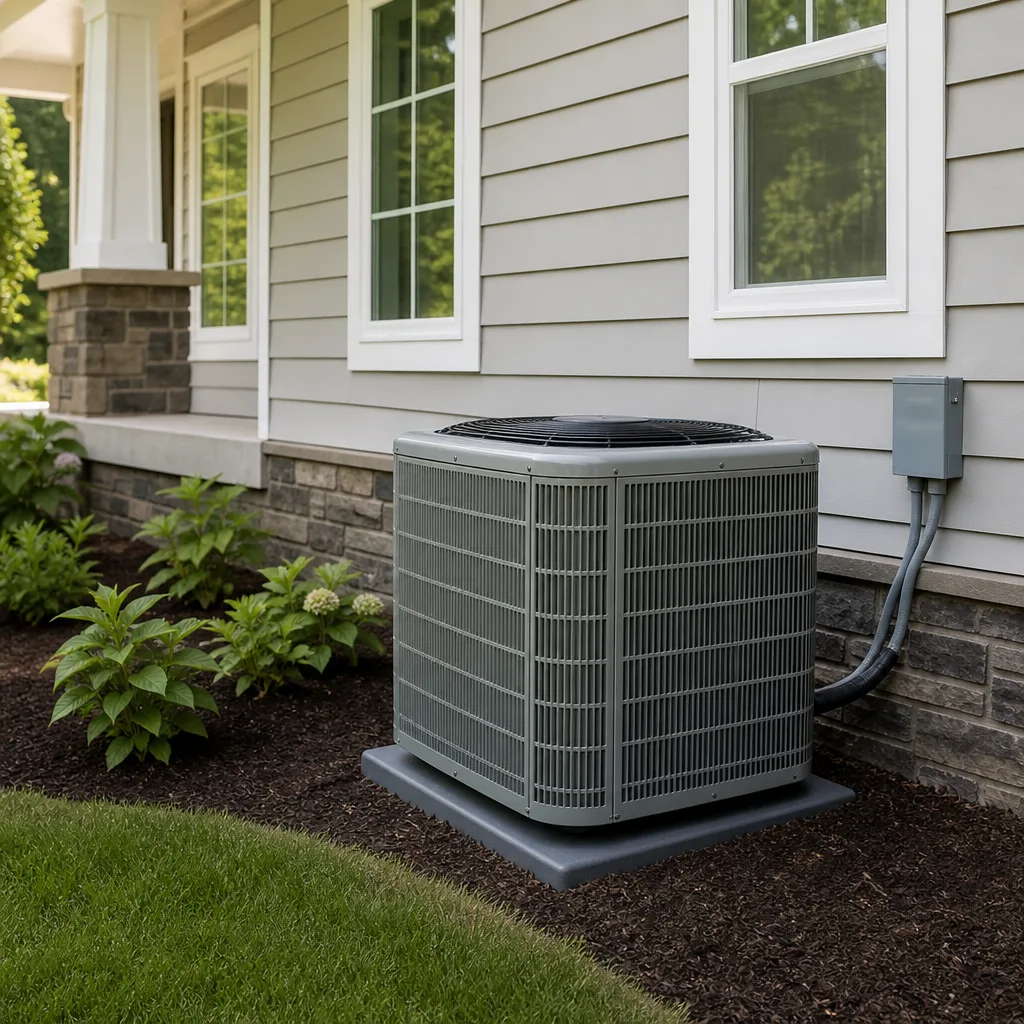 Carrier
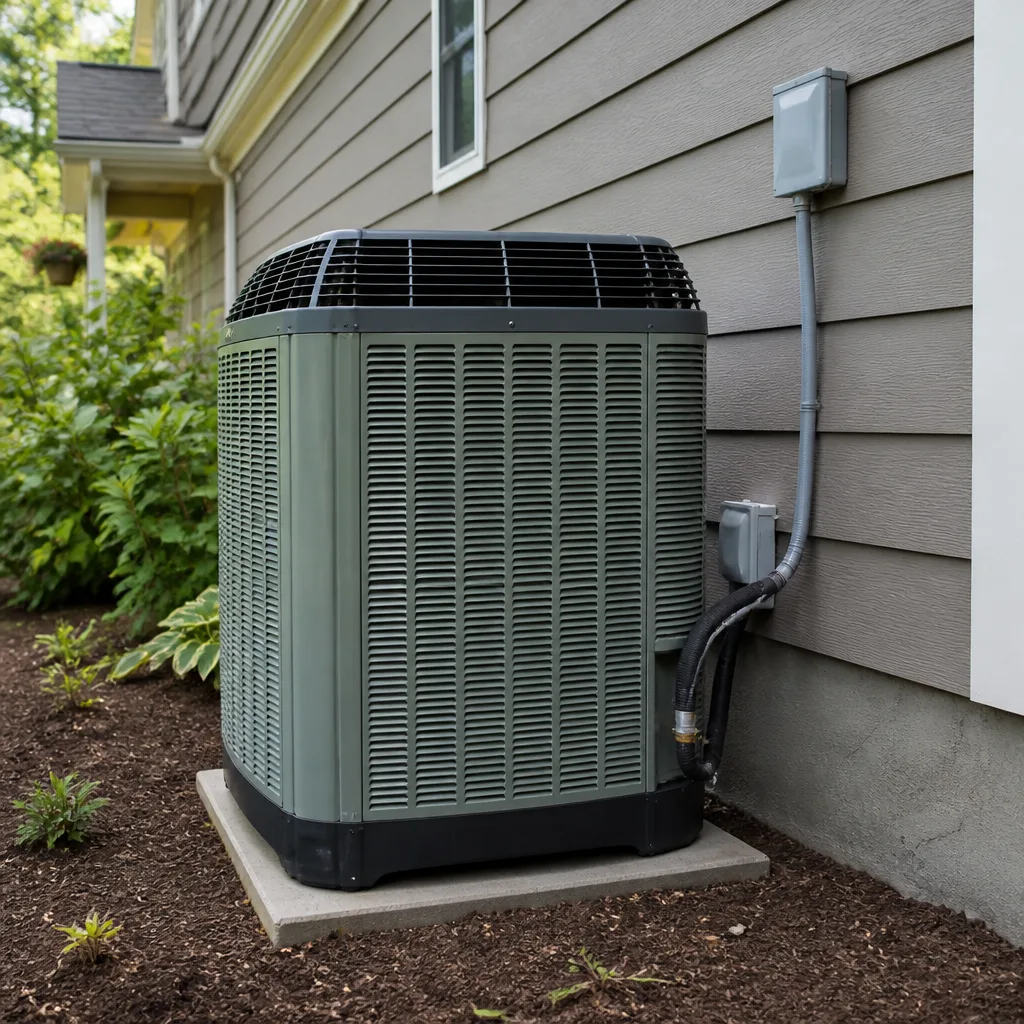 Trane
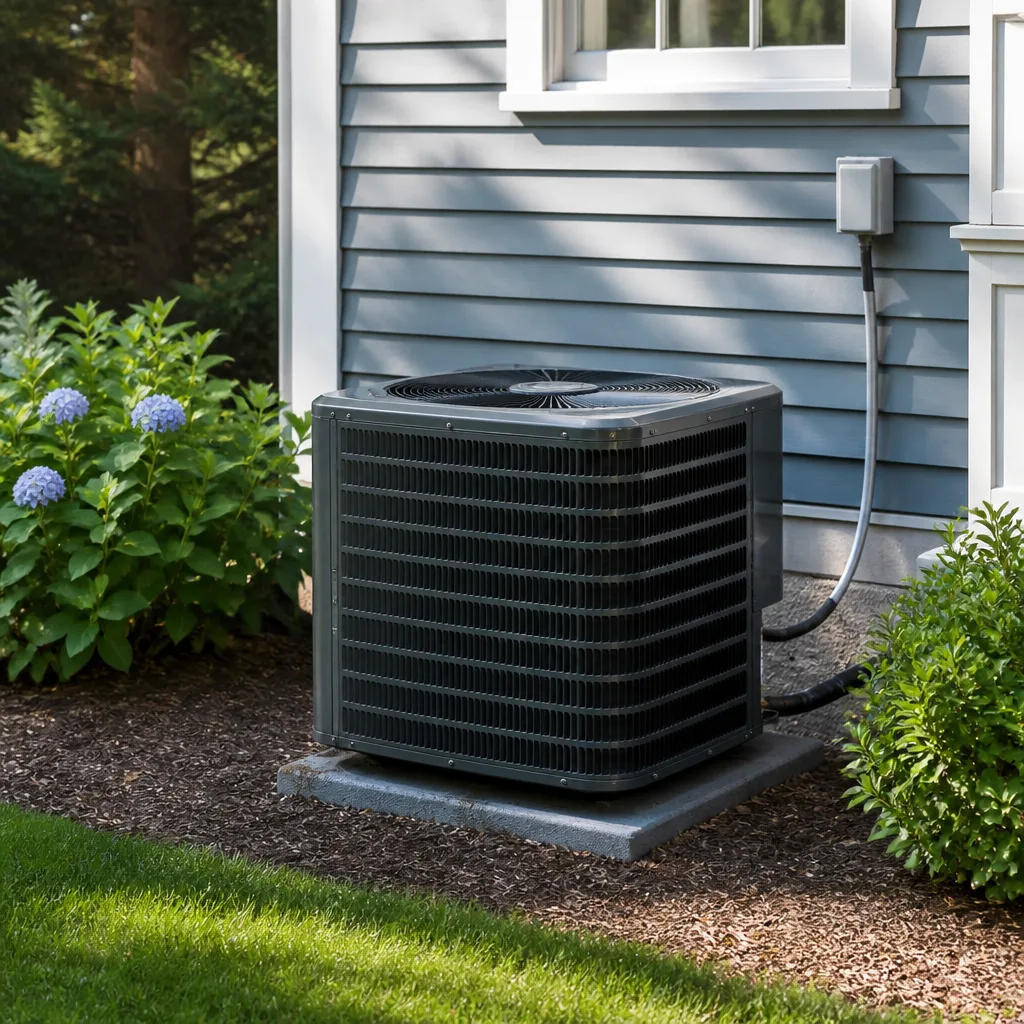 Goodman
Seasonal tune-up and full diagnostic on your Carrier, Trane, or Goodman system - readings shown to you before any repair is proposed
Diagnosis first, numbers second - you approve the repair price before a single part goes in.
Get your free estimateThe Complete AC Repair Guide for Hollywood Homeowners
An air conditioner in Hollywood logs somewhere between 2,800 and 3,200 hours of runtime in a typical year. The same equipment in Chicago logs closer to 800. That gap changes everything about how you should think about repair. Parts wear out faster here, coils face conditions they weren’t designed for, and a system that would last twenty years up north often reaches the end of its useful life far sooner in South Florida. Most repair guides are written for a generic national audience and skip this math entirely. This one doesn’t. Below, we walk through how Hollywood’s heat and humidity shape every repair decision, from the first odd noise to the moment you decide whether to fix or replace.
Quick Answer
AC repair in Hollywood usually means one of a few things: a refrigerant leak, a failing capacitor or contactor, a clogged condensate drain, or a coil that’s corroded from sustained humidity exposure. The right repair depends on an accurate diagnosis, not a guess, and the decision to repair versus replace hinges on the system’s age, the cost of the fix relative to a new install, and how many runtime hours the equipment has already logged. A trained technician should confirm the actual failure before quoting anything.
Styles & brands we work with
- AC repair
- Furnace & heating
- Heat pumps
- Ductless mini splits
- Carrier
- Trane
- Goodman
Table of Contents
- Why Runtime Hours Matter More in Hollywood Than Anywhere Else
- How Coastal Humidity Accelerates Coil Corrosion
- Refrigerant Recharge: Band-Aid vs. Proper Fix
- The Most Underdiagnosed Failure: Drainage Problems
- Repair or Replace: A Decision Framework
- What a Proper Diagnosis Looks Like
- Documentation to Keep After Every Repair
- Preventing Repeat Failures in South Florida Conditions
Why Runtime Hours Matter More in Hollywood Than Anywhere Else
Most homeowners think about AC age in years. That’s the wrong metric. Runtime hours are what actually wear out a compressor, a blower motor, and a set of contactors. A system that runs 3,000 hours a year in Hollywood packs roughly four years of Chicago-equivalent wear into every single year of operation. By the time a Hollywood unit is eight years old, it has effectively lived the life of a much older system in a cooler climate.
This matters because it changes the math on repair decisions. A repair that makes sense on a six-year-old system in a mild climate may be a poor investment on an eight-year-old system here. The equipment has already endured far more cycling, far more thermal stress, and far more moisture exposure than the age on the data plate suggests.
Here’s how to think about it in practice:
- Under 8 years old, single failure: repair is almost always the right call, and a good technician will tell you so plainly.
- 8 to 12 years old, single failure: repair is still reasonable if the fix is straightforward and the rest of the system checks out.
- 8 to 12 years old, second or third major failure: replacement deserves serious consideration, because you’re now paying twice for the same underlying wear.
- Over 12 years old, any major component failure: replacement is usually the better long-term value, even if the repair is technically possible.
None of this is a hard rule. Every system is different, and a thorough diagnosis will tell you more than any general guideline. But when a technician in Hollywood says “this unit has lived a full life,” they mean it in runtime terms, not calendar terms. For more on what a proper repair visit involves, see our page on AC repair.
How Coastal Humidity Accelerates Coil Corrosion
The evaporator coil sits inside the air handler and stays wet for most of the cooling season. In Hollywood, that’s most of the year. Moisture plus airborne salts plus constant cycling creates a corrosion environment that inland systems simply don’t face. Coils here develop surface oxidation faster, and once that oxidation takes hold, it reduces heat transfer efficiency and eventually leads to pinhole leaks in the refrigerant circuit.
What this means for repair decisions is important. A coil that’s showing early corrosion can sometimes be cleaned and treated to extend its life. But a coil that’s already leaking refrigerant through corrosion damage usually can’t be reliably patched. The leak will return, often within a season, and you’ll be right back where you started. In our experience, homeowners who try to band-aid a corroded coil end up spending more over two years than they would have on a proper coil replacement.
Coil corrosion also tends to hit certain brands differently depending on the coil design and the protective coating. That’s one reason we work across Carrier, Trane, Lennox, and Goodman equipment, among others: we’ve seen how each manufacturer’s coils hold up in sustained humidity, and we can tell you honestly whether yours is a candidate for cleaning or already past the point of no return. If you want to know what brands we handle, our Ashton AC Repair page covers the full range.
Signs Your Coil May Be Corroding
- Reduced cooling capacity that gets gradually worse over months, not days
- Visible rust or blue-green discoloration on the coil fins
- Ice forming on the indoor coil during normal operation
- A slow, steady loss of refrigerant that requires recharge every season or two
- A musty or metallic smell coming from the supply vents
Refrigerant Recharge: Band-Aid vs. Proper Fix
This is one of the most common points of confusion we see. A refrigerant recharge is not a repair. It’s a top-up. If your system is low on refrigerant, it means there’s a leak somewhere in the circuit, and adding more refrigerant without finding and fixing that leak is a temporary patch at best. The refrigerant will escape again, and the underlying problem will keep getting worse.
A proper refrigerant repair follows a specific sequence:
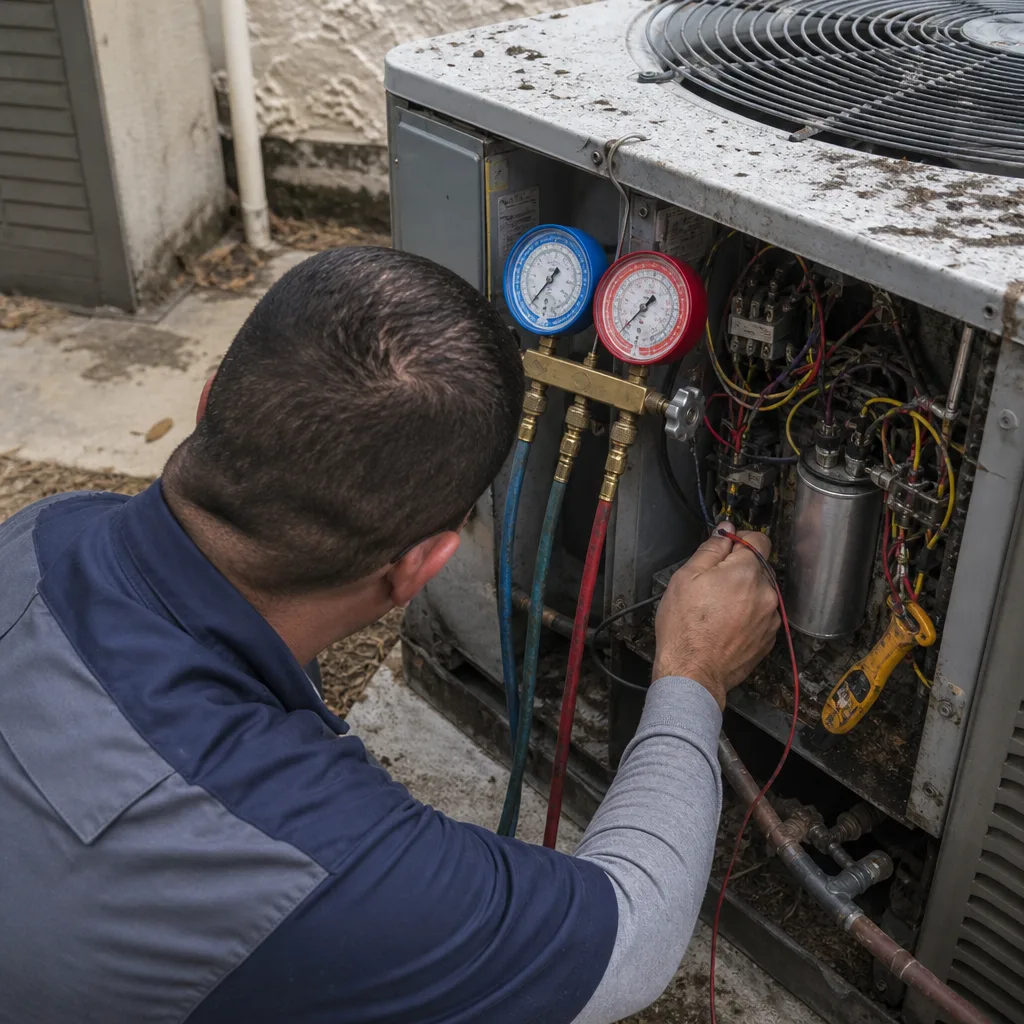
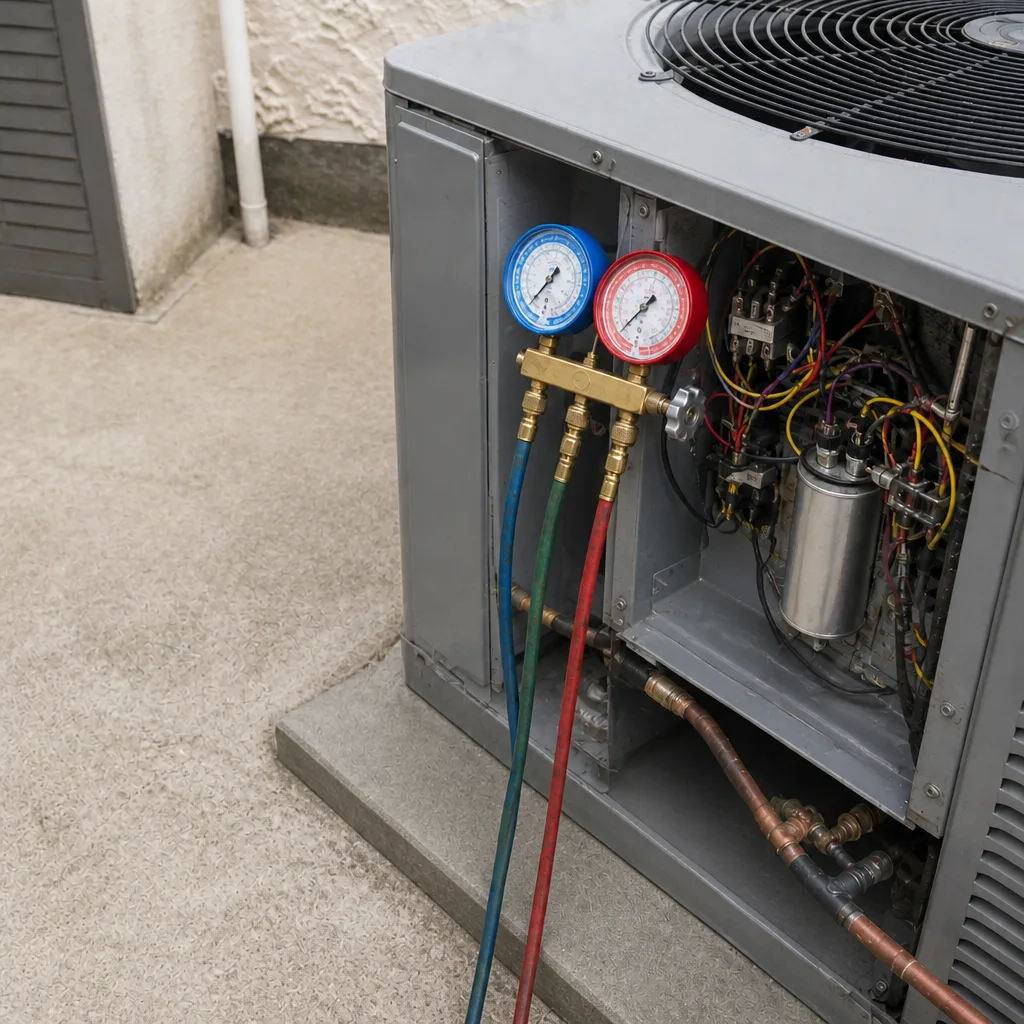
- Confirm the system is actually low. A technician measures pressures and superheat/subcooling to verify the charge, because low cooling output doesn’t automatically mean low refrigerant.
- Locate the leak. This means electronic leak detection, pressure testing, and sometimes UV dye, depending on the system and the suspected location.
- Repair the leak. Depending on where it is, this could be a Schrader valve, a flare fitting, a brazed joint, or the coil itself.
- Evacuate and recharge to spec. Once the leak is sealed, the system is evacuated to remove moisture and non-condensables, then charged to the manufacturer’s specified weight or pressures.
- Verify performance. The technician confirms the system is cooling correctly and holding the charge before calling the job done.
What makes a recharge-only approach risky is that refrigerant leaks don’t self-correct. A slow leak becomes a faster leak, and a system running undercharged for months will stress the compressor and shorten its life. If a technician offers to “just top it off” without finding the leak, that’s a red flag. Ask for the leak search.
The one exception is a system that’s already at the end of its life. If you’re planning replacement within a season, a recharge may buy you enough time to get through the summer. That’s an honest conversation to have with your technician, not a decision to make alone.
The Most Underdiagnosed Failure: Drainage Problems
We’ve said it before and we’ll say it again: drainage issues are the most underdiagnosed failure mode in South Florida air conditioning. The condensate drain carries away the water your system pulls from the air, and in a climate with year-round humidity, that’s a significant volume of water. When the drain clogs, backs up, or the drain pan fails, the damage compounds quietly. Water stains on the ceiling below the air handler, damaged drywall, and in severe cases, microbial growth in the ductwork and surrounding structure, all trace back to a drainage problem that went unnoticed.
The typical early signs are easy to miss:
- Water pooling in or around the air handler’s drain pan
- Damp spots or water stains on the ceiling or walls near the indoor unit
- A musty smell that develops gradually and doesn’t go away
- The system shutting off unexpectedly, which is often a float switch tripping due to a clogged drain
- Visible algae or slime in the drain line itself
The reason this failure mode gets missed is that it doesn’t always affect cooling performance. The system keeps running, the house stays cool, and the water damage happens silently. If you notice any of the signs above, treat it as an urgent issue. A clogged drain can overflow a pan in a matter of days in peak summer humidity. It’s one of the most common reasons we get called for what the homeowner thinks is an AC failure but turns out to be a drainage problem. If you’re in Hollywood and want to know what gets checked during a proper service visit, our Hollywood page lays out the local context.
Repair or Replace: A Decision Framework
The repair-or-replace question comes down to a few honest calculations. There’s no single right answer, but there is a framework that keeps you from making a decision you’ll regret.
The Three-Question Test
- How old is the system, adjusted for runtime? A Hollywood system effectively ages faster, so a 10-year-old unit here is closer to the wear profile of a 14-year-old unit in a cooler climate.
- How much does the repair cost relative to a new install? As a rule of thumb, if a repair costs more than a third of what a new system would cost, and the equipment is past the halfway point of its expected life, replacement deserves serious consideration.
- Is this the first major failure, or the third? One repair on a mid-life system is fine. Three repairs in two years tells you the equipment is telling you something.
When a Repair Buys Meaningful Time
- The system is under eight years old and this is the first significant failure
- The repair is a component swap (capacitor, contactor, blower motor, drain pump) rather than a coil or compressor
- The rest of the system passes inspection, including the coil condition and refrigerant circuit integrity
- You’re planning a renovation or move in the next year and a proper repair will comfortably carry you through
When a Repair Only Delays the Inevitable
- The compressor is failing on a system past middle age
- The evaporator coil has corrosion damage severe enough to have caused one leak and is likely to cause another
- The system is over 12 years old and has had multiple refrigerant leaks in recent years
- You’re facing a repair that costs half or more of a new install on equipment already past its expected life
The honest answer is the one a good technician gives you after looking at the actual equipment, not the one that sells the most. We’d rather tell you a $400 repair will get you three more years than sell you a system you don’t need. When replacement does make sense, we handle it through our AC installation service, and we work across all nine of the major brands so you have genuine equipment choice rather than a catalog pitch.
What a Proper Diagnosis Looks Like
Most repair failures trace back to a diagnostic failure, not a mechanical one. A technician who guesses wrong replaces the wrong part, and the problem comes back. That’s why we lead with diagnosis first. Here’s what a thorough diagnostic visit should cover.
The Systematic Check
- Ask the homeowner what’s happening. When did the problem start, what’s the symptom, has anything changed recently. This context matters.
- Verify system operation. Confirm the call for cooling, check thermostat settings and wiring, and make sure the equipment is actually running when it should.
- Measure airflow and temperature split. Supply and return temperatures tell the technician whether the system is removing heat effectively.
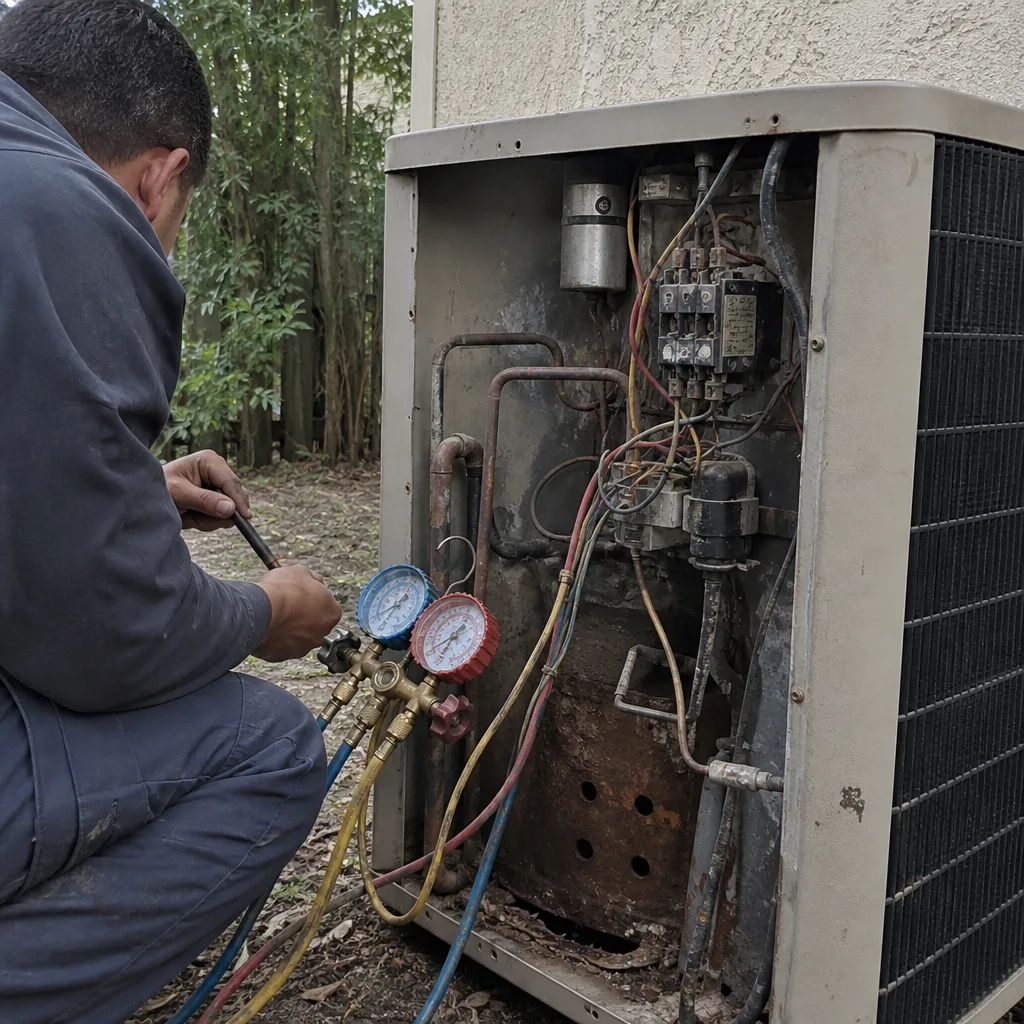
- Check electrical components. Capacitors, contactors, relays, and voltage at the compressor all get tested, because electrical failures are common and often misdiagnosed.
- Check refrigerant charge and superheat/subcooling. This confirms whether the system is properly charged or showing signs of a leak.
- Inspect the coil, drain pan, and condensate line. Coil condition and drainage are part of every diagnostic we run in South Florida conditions.
- Test the drain safety switch. A float switch that’s failed or been bypassed is a water damage risk waiting to happen.
The value of a multi-brand shop here is that a technician who’s worked across Carrier, Trane, Lennox, Goodman, Rheem, York, Daikin, Bryant, and American Standard knows the specific failure patterns and component layouts of each. That means fewer diagnostic detours and faster access to the right replacement part. Our technicians have up to 15 years of experience, and that experience covers a lot of equipment lines. If your system is making an odd noise, tripping a breaker, or just not cooling like it used to, the right first step is a real diagnosis, not a guess.
Documentation to Keep After Every Repair
This is the part almost nobody talks about, and it’s the part that saves you money down the road. Every repair visit should leave you with a written record. That record protects your warranty, helps the next technician understand what’s been done, and gives you a clear picture of whether you’re on a repair-or-replace trajectory.
What to Ask For and Keep
- A written diagnosis. What was measured, what failed, and why. Not just “replaced part.” The reasoning matters when the same issue comes back.
- Part numbers and warranty terms. Some replacement parts carry their own warranty separate from the equipment. Keep the documentation.
- Readings and measurements. Refrigerant pressures, superheat, subcooling, temperature split, static pressure. These numbers are a baseline. If the same problem returns, the next technician can see whether anything has drifted.
- Photos of the failed component. A phone photo of a cracked capacitor or a corroded coil is worth more than a paragraph of description when you file a warranty claim.
- A running log of repairs. Keep a simple list: date, what was done, who did it, cost. Over a few years this log tells you clearly whether the system is a keeper or a money pit.
Homeowners who keep this documentation are in a much stronger position when a warranty question comes up, when they sell the house, and when they’re trying to make a repair-or-replace decision with actual data instead of memory. If a contractor doesn’t offer this documentation as standard, ask for it explicitly.
Preventing Repeat Failures in South Florida Conditions
The best repair is the one you don’t need. In Hollywood’s climate, a few habits make a real difference in how long your system lasts and how often you need us.
- Change the filter regularly. Restricted airflow is one of the most common causes of premature blower motor and compressor failure. In year-round runtime conditions, filters load up faster than homeowners expect.
- Keep the condensate drain clear. A periodic flush of the drain line can prevent the most common water damage scenario we see in South Florida homes.
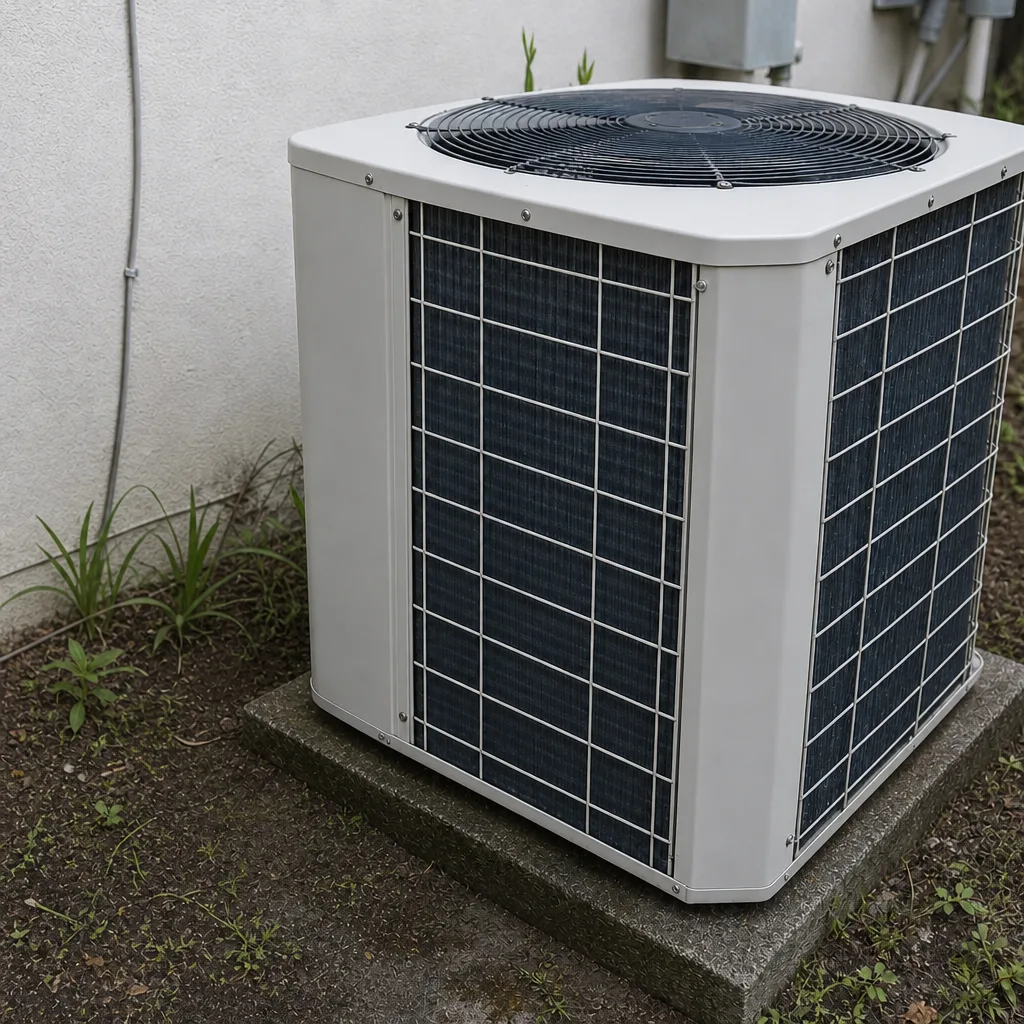
- Watch the outdoor unit. Clear debris from around it. Coil fins that stay clean transfer heat more efficiently and stress the compressor less.
- Pay attention to changes in performance. Cooling that’s “not quite as cold as last summer” is an early signal, not a reason to wait. Early diagnosis is cheaper than emergency repair.
- Don’t skip professional checks during the cooling season. A system running 3,000 hours a year deserves a periodic look from a technician who knows what to watch for on your specific equipment.
Prevention isn’t about selling you a service contract. It’s about understanding that in a high-runtime environment, small issues compound quickly. A capacitor that’s drifting on spec today becomes a compressor failure in six months. A drain that’s 80% clogged today overflows next month.
Common Mistakes to Avoid
- Accepting a recharge without a leak search. If a technician adds refrigerant without finding and fixing the leak, you’re paying for a temporary fix that will fail again, usually within a season.
- Ignoring drainage issues because the house is still cool. Water damage from a clogged drain doesn’t affect cooling performance until it’s already caused structural problems. Treat drainage warnings as urgent.
- Choosing a contractor who only works on one or two brands. If your equipment isn’t a brand they carry, they may push you toward what they know instead of fixing what you have.
- Replacing a system based on age alone. A well-maintained 12-year-old Hollywood system with no major failures may have years left. Age is a factor, not a verdict.
- Skipping documentation. Without a written record of repairs and readings, you lose your ability to make informed decisions and to back up warranty claims.
- Assuming a thermostat reading is a system diagnosis. A system set to 72 that’s running constantly could be low on charge, have restricted airflow, or have a failing compressor. Only a proper diagnostic tells you which.
- Waiting for a total failure. A system that’s limping along on a failing component will usually cost more to repair after it fails completely than it would have cost to fix the early warning.
See the difference
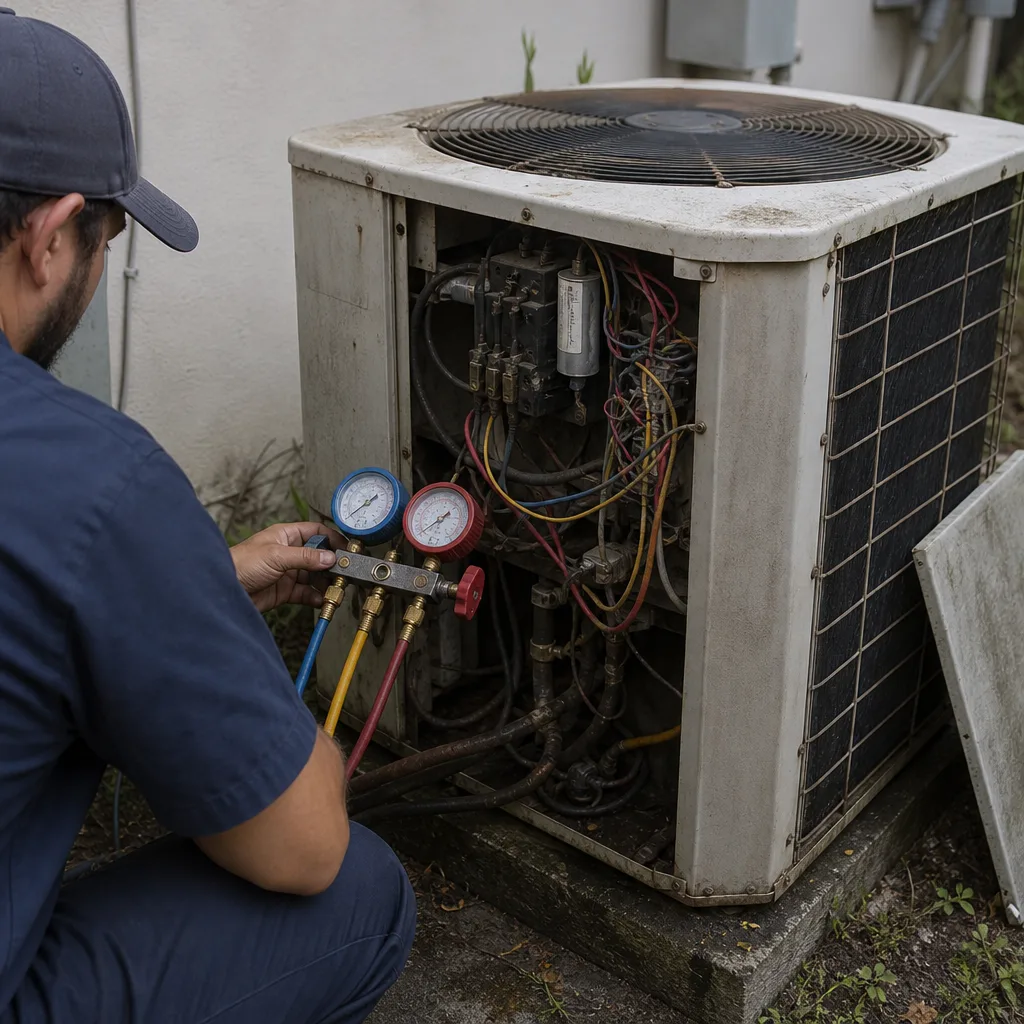 Before
 After
 Before
 After
 Before
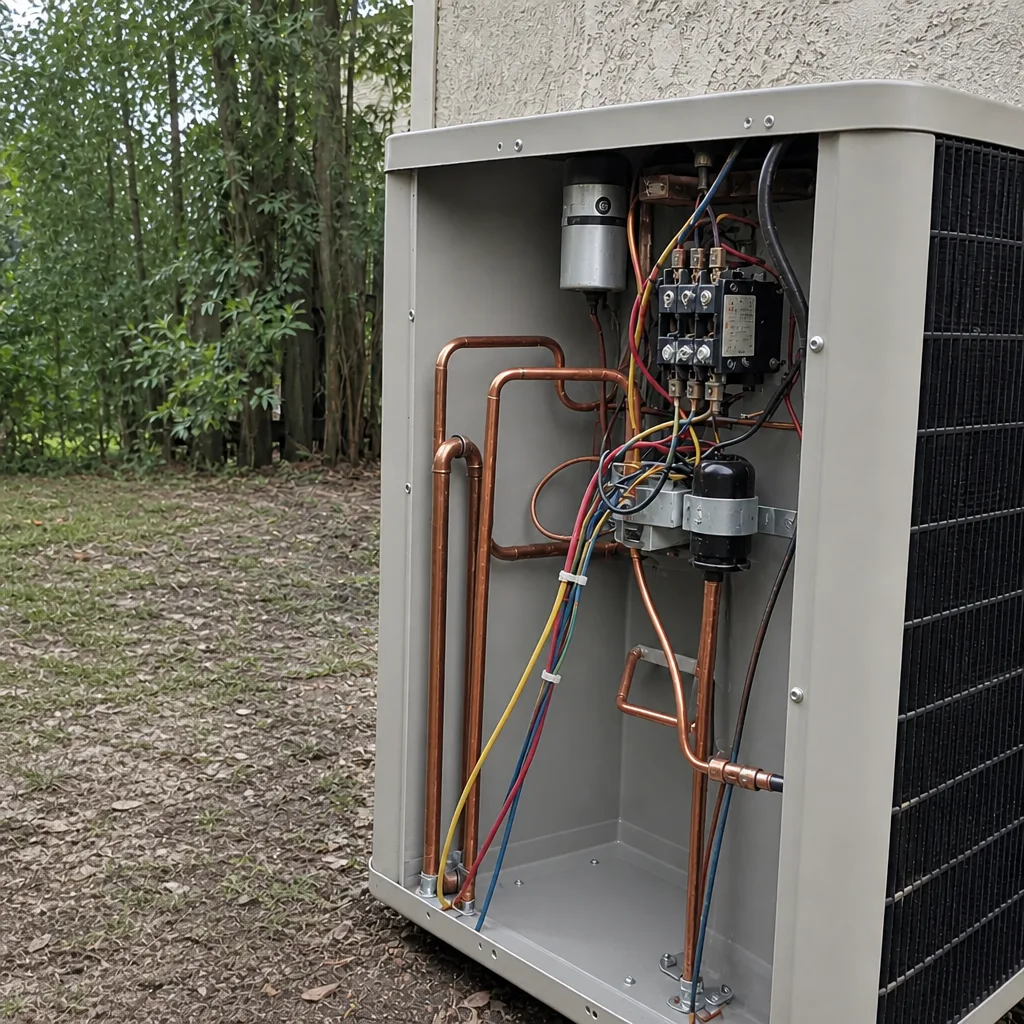 After
When to Call a Professional
Some problems are obvious. The system won’t turn on. There’s water on the floor. The breaker keeps tripping. Those need a call, and they need one soon, because in Hollywood heat, a house without cooling becomes a health concern within hours. But other problems are subtler: rising energy bills, cooling that’s weaker than last summer, a musty smell that won’t clear, ice forming on the indoor coil, or refrigerant that seems to need topping up every year. Don’t wait for a small issue to become a failure. A technician with the right diagnostic tools will find the actual problem faster than any guess, and the right repair done early is almost always cheaper than the same repair done after a secondary failure. Ashton AC Repair offers free estimates in Hollywood – call (833) 854-7099. We answer 24/7. Fast dispatch from 7am to 7pm, Sunday through Friday. We’re closed Saturday.
Frequently Asked Questions
Repair costs vary by the specific failure and the parts involved, so any number quoted without a diagnosis is a guess. A capacitor or contactor replacement costs far less than a coil replacement or compressor repair. The right way to get an accurate number is a diagnostic visit and a written estimate. Call (833) 854-7099 for a free estimate.
We dispatch fast, and same-day service is available for most repair calls. We’re open Sunday through Friday, 7am to 7pm, and closed Saturday. The phone line is answered 24/7. Fast dispatch from 7am to 7pm. Call (833) 854-7099 for the soonest opening.
Needing refrigerant every year means there’s a leak. Refrigerant doesn’t get consumed in a properly sealed system. A yearly recharge habit is a sign that the leak hasn’t been properly located and repaired. Ask for a leak search, not just a top-up. Call (833) 854-7099 to schedule a diagnostic.
It can be, if the system has had only one major failure and the rest of the equipment checks out. But because a Hollywood system runs roughly 3,000 hours a year, a 12-year-old unit here has accumulated far more wear than the same age in a cooler climate. The honest answer depends on the specific repair and the coil condition. A diagnostic visit will tell you which way to go. Call (833) 854-7099 to schedule one.
That’s almost always a drainage issue: a clogged condensate line, a failed drain pan, or a float switch that’s tripped. It’s the most underdiagnosed failure mode we see in South Florida because the system keeps cooling while the water damage happens. It should be treated as urgent. Call (833) 854-7099.
We work on Carrier, Trane, Lennox, Goodman, Rheem, York, Daikin, Bryant, and American Standard equipment. That’s nine of the most commonly installed residential HVAC brands. A multi-brand diagnostic capability means we can find the right part faster and won’t push you toward a brand we happen to carry instead of fixing what you own. Call (833) 854-7099 for a free estimate.
The Bottom Line
Hollywood’s climate puts enormous runtime on your air conditioning, and every repair decision has to account for that. Refrigerant leaks need to be fixed, not topped off. Drainage issues need to be treated as urgent even when the house is still cool. Coil corrosion is a real repair-or-replace factor here, not a hypothetical. And documentation, the repair log you keep over years, is what ultimately tells you when a system is a keeper and when it’s a money pit. Repair first when it makes sense. Replace when it’s the honest answer. We diagnose before we recommend, and we work on your brand, whether that’s Carrier, Trane, Lennox, Goodman, or any of the other major equipment lines. When you’re ready for a straight assessment, call (833) 854-7099 for a free estimate.
Written by the team at Ashton AC Repair.