
Last updated November 15, 2026
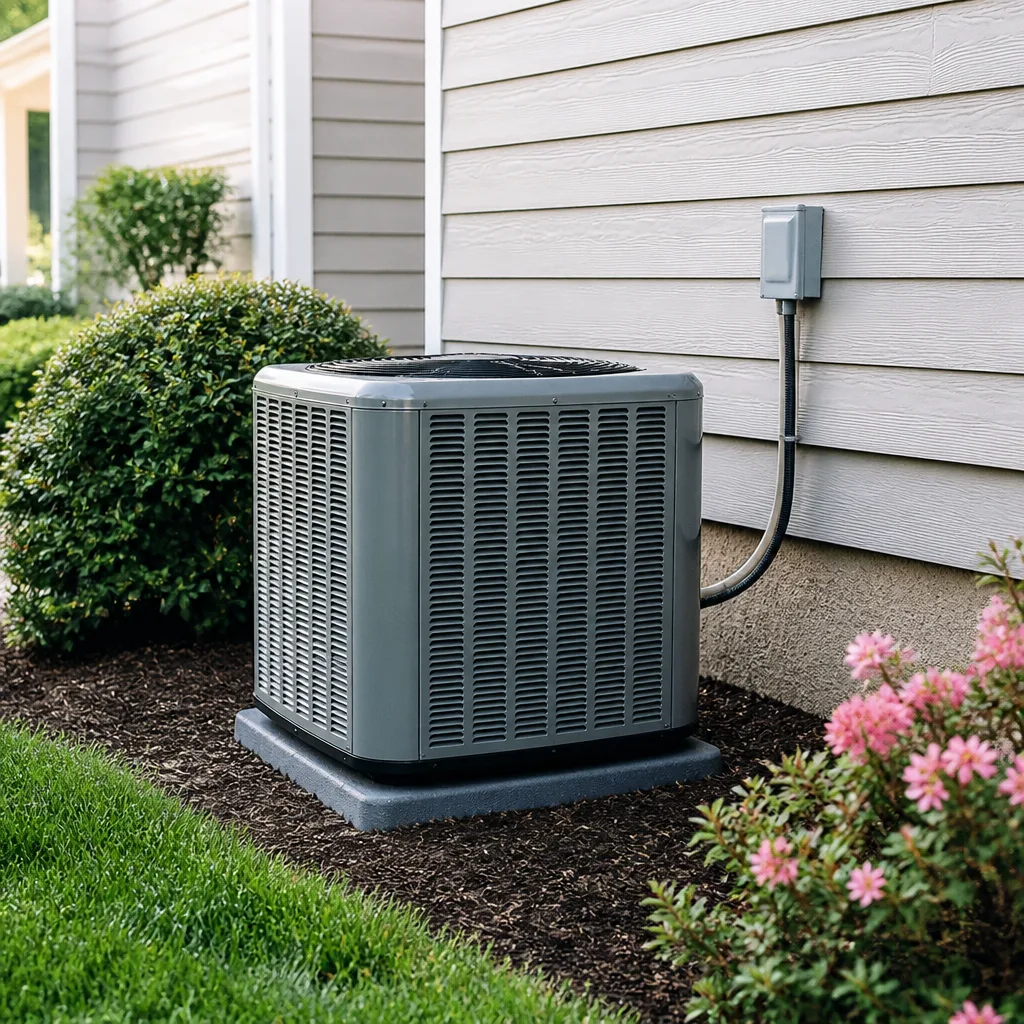 AC repair
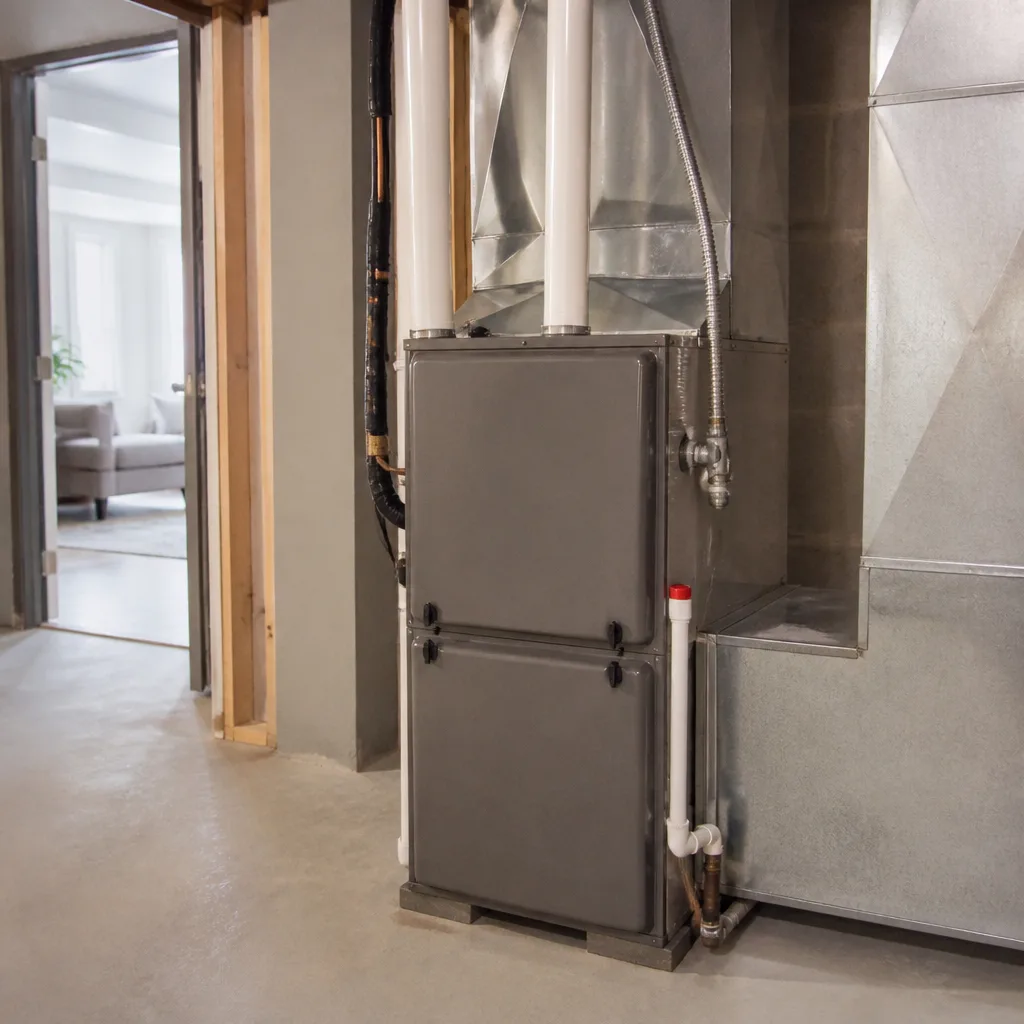 Furnace & heating
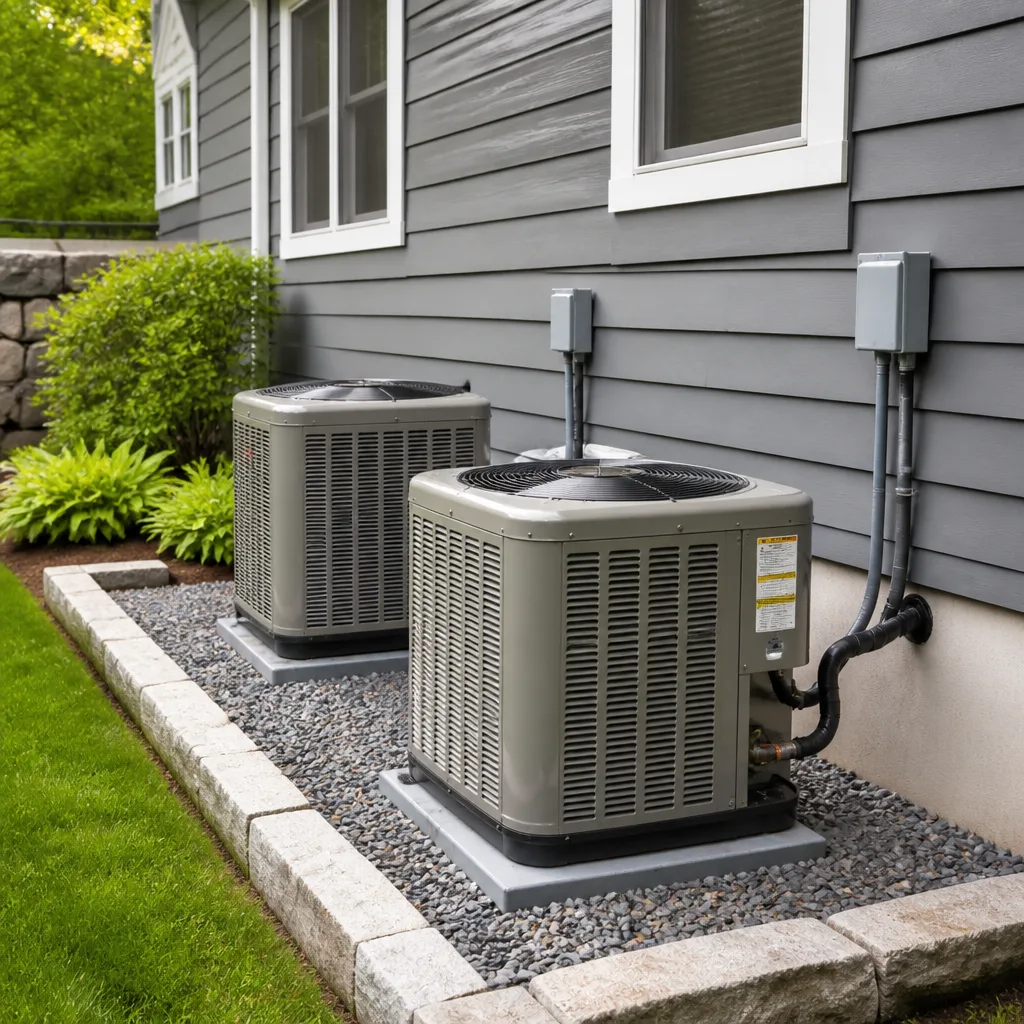 Heat pumps
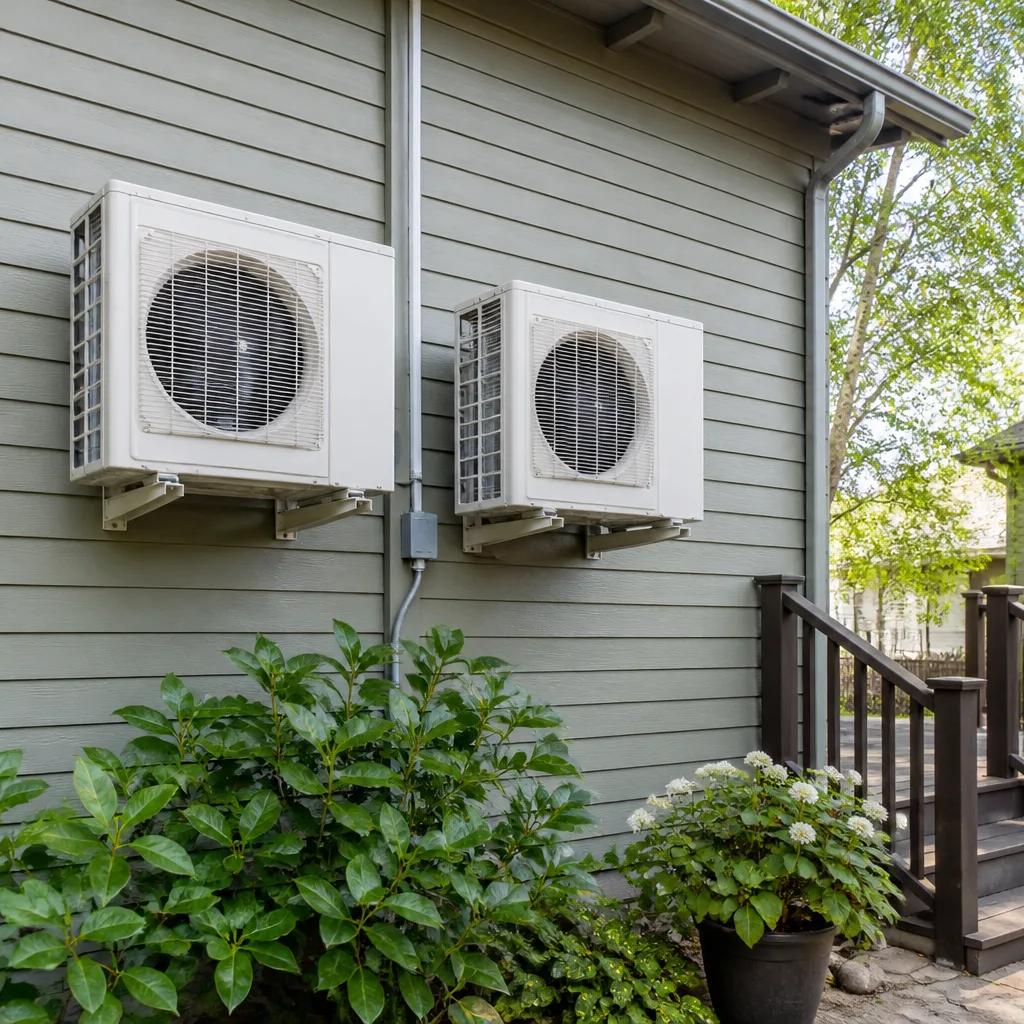 Ductless mini splits
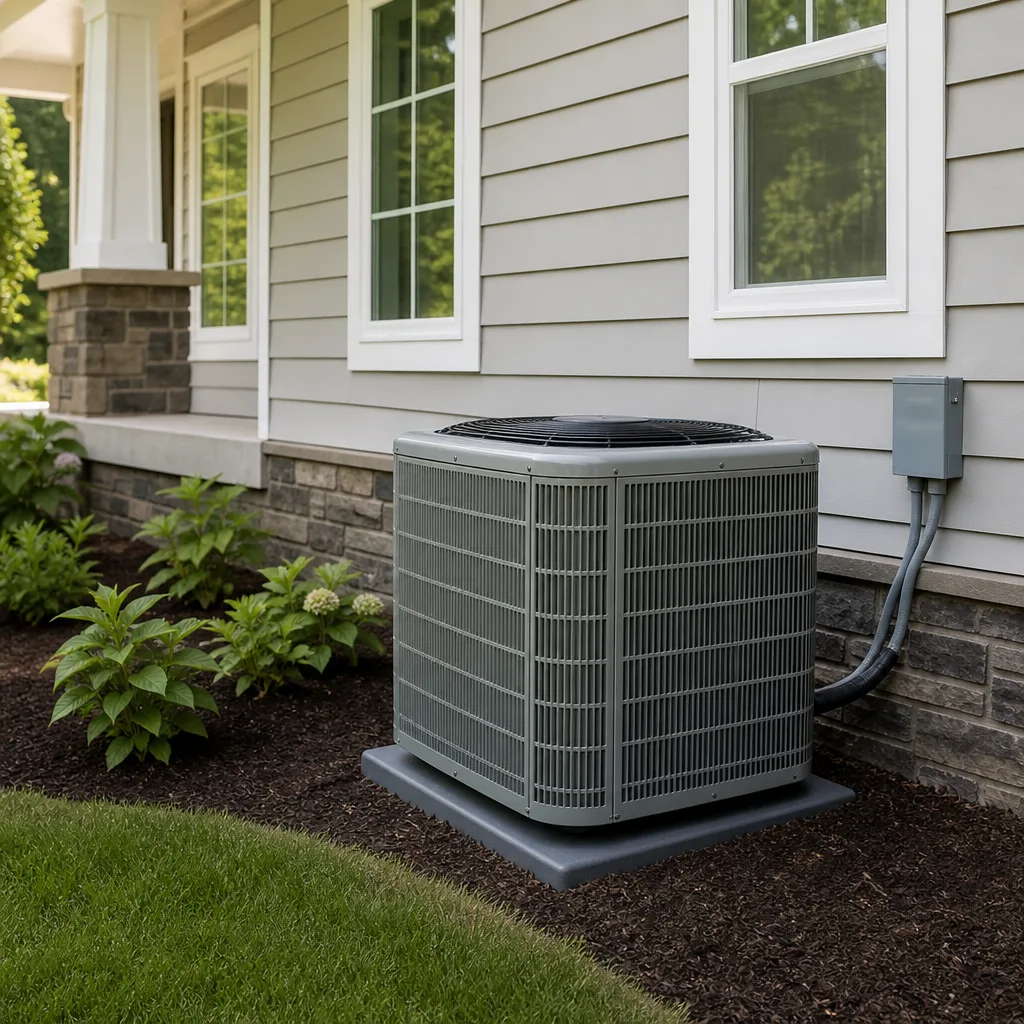 Carrier
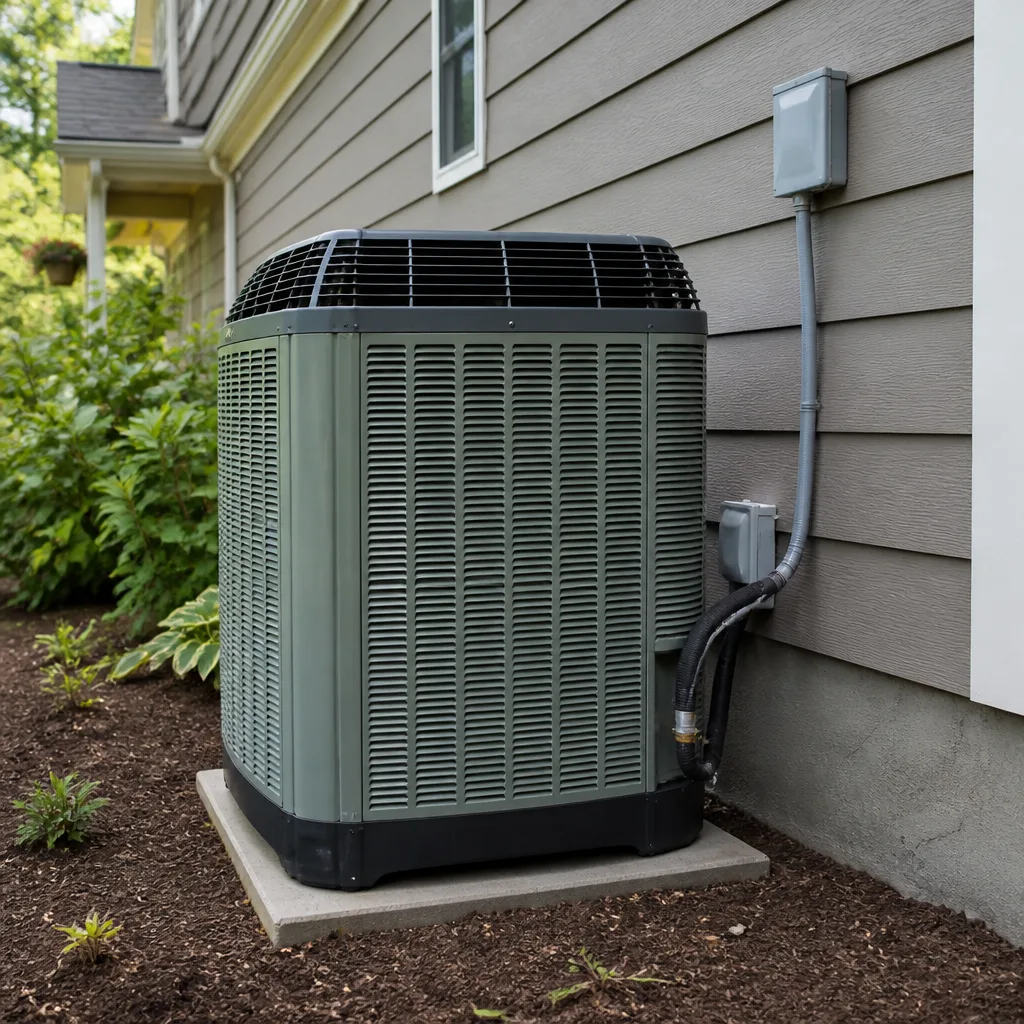 Trane
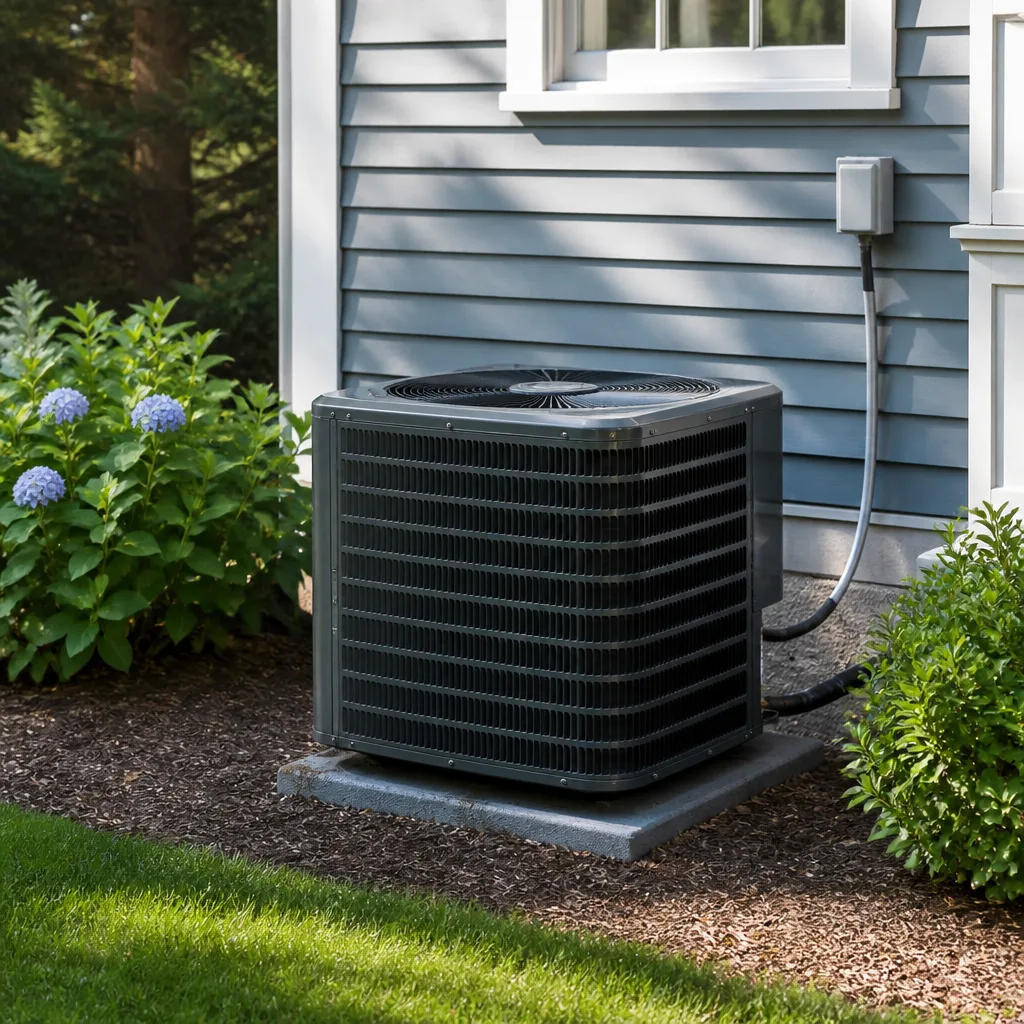 Goodman
Seasonal tune-up and full diagnostic on your Carrier, Trane, or Goodman system - readings shown to you before any repair is proposed
Diagnosis first, numbers second - you approve the repair price before a single part goes in.
Get your free estimateAC Repair Troubleshooting in Hollywood: Common Problems and How to Fix Them
Here’s the counterintuitive truth about air conditioning troubleshooting: the most useful thing you can do when your system acts up is often nothing at all. The moment a homeowner flips the breaker or clears the thermostat in frustration, a fault code that would have pointed a technician straight to the problem disappears. That code is the difference between a fast, accurate diagnosis and an expensive guessing game. In this guide, we’ll walk through the problems we see most often in Hollywood, what each symptom usually means, what’s safe to watch overnight, what needs a same-day call, and exactly what to have ready when you pick up the phone. The goal isn’t to turn you into an HVAC technician. It’s to make your service visit faster, sharper, and less likely to end in a wrong diagnosis.
Quick Answer
The most common AC problems in Hollywood are weak airflow from a clogged filter or failing blower, warm air from low refrigerant or a compressor fault, water leaks from a blocked condensate drain, short cycling from an oversized or overheating system, and unusual noises from loose or failing components. Before calling a technician, do not reset the breaker, thermostat, or system – preserve the fault code and operating state so the diagnosis is accurate. If the symptom is warm air, water pooling indoors, or an electrical or burning smell, call the same day.
Styles & brands we work with
- AC repair
- Furnace & heating
- Heat pumps
- Ductless mini splits
- Carrier
- Trane
- Goodman
Table of Contents
- Why You Shouldn’t Reset Your System Before the Technician Arrives
- Symptom-to-Cause Matrix for Hollywood Conditions
- Weak Airflow: What It Usually Means
- Warm Air From the Vents: The Big Causes
- Water Leaks and the Condensate Drain Pan
- Short Cycling and Unusual Sounds
- Monitor Overnight vs. Call Same Day
- What to Have Ready When You Call
Why You Shouldn’t Reset Your System Before the Technician Arrives
When an AC misbehaves, the instinct is to hit the reset: flip the breaker back, cycle the thermostat, maybe pull the disconnect outside. It feels productive. In practice, it wipes out the information the technician needs. Modern systems store diagnostic fault codes and an operating history in the control board’s memory. A hard reset can clear those codes before anyone reads them, and the technician arrives to find a system that runs normally and reports nothing.
This is the single most common reason a technician can’t reproduce a fault on-site. The fault existed, the board logged it, and it got erased. Even when the system appears to recover, the memory is gone.
What to do instead:
- Leave the thermostat where it is. Don’t switch modes or set points. The current state is a clue.
- Don’t flip the breaker. If you’ve already switched it off for safety (smoke, burning smell, sparking), note exactly when and why, and tell the technician.
- Write down what you saw. The exact symptom, when it started, what the thermostat display showed, and any error code on the screen are worth more than a clean restart.
- Photograph the thermostat display and the air handler if you can access it safely. A photo of an error code is nearly as useful as the code itself.
If the system is running but producing warm air, or if the outdoor unit is silent and the indoor fan is blowing, that operating state is genuinely valuable. A trained technician can read it. A reset erases it. Our technicians have up to 15 years of experience reading those states, and they’ll tell you the same thing: the pre-visit condition is often more informative than anything observed after a reboot.
Symptom-to-Cause Matrix for Hollywood Conditions
Hollywood’s climate shapes which problems show up most often. Long, humid cooling seasons mean systems run hard for months, condensate drains fill up faster, and filters load with dust and pollen sooner than in drier places. Here’s how the five most common symptoms map to probable causes in this market.
| Symptom | Probable Causes (most to least common) |
|---|---|
| Weak airflow from vents | Clogged filter; failing blower motor; blocked or crushed return duct |
| Warm air from vents | Low refrigerant charge; failing compressor; thermostat or control board fault |
| Water leak near air handler | Clogged condensate drain line; overflowing drain pan; frozen evaporator coil thawing |
| Short cycling (on/off every few minutes) | Oversized system; overheating compressor; low refrigerant; faulty thermostat |
| Unusual sounds (rattling, buzzing, squealing, clicking) | Loose panels or hardware; failing contactor; worn blower bearing; debris in outdoor unit |
This matrix is a starting point, not a diagnosis. A single symptom often has more than one cause, and the fix depends on what the technician actually finds. What the matrix does is help you decide how urgent the call is, and what to describe when you make it. In Hollywood, where a failed system in July is a genuine health risk and not just an inconvenience, that decision matters.
Weak Airflow: What It Usually Means
If the air coming out of your vents feels weak, the first thing to check – and honestly, the first thing we check – is the filter. A dirty filter is the most common cause of restricted airflow, and in Hollywood’s humid cooling season, filters load up fast. A filter that’s clogged enough to reduce airflow also makes the system work harder, which shortens equipment life and can lead to bigger problems.
Beyond the filter, here’s what weak airflow usually points to:
- A failing blower motor. The indoor fan that moves air through your ducts can wear out or lose a capacitor. When it does, airflow drops and the coil can freeze.
- A crushed or disconnected return duct. The return side pulls air back to the air handler. If a duct is crushed in an attic or disconnected at a joint, the system starves for air.
- A clogged evaporator coil. Dust buildup on the indoor coil blocks heat transfer and cuts airflow. This is a technician job – the coil needs proper cleaning, not a garden hose.
A quick test: check the filter and swap it if it’s visibly dirty. Then feel the airflow at several vents. If one room is weak but others are fine, suspect a duct issue on that branch. If every vent is weak, suspect the filter, blower, or main return. And if the airflow is weak and the air is warm, that’s a different problem – see the next section.
Warm Air From the Vents: The Big Causes
Warm air is the symptom homeowners worry about most, and rightly so. When the thermostat calls for cool and the vents blow anything but cool, one of three things is usually happening.
Low refrigerant charge is the most common. A system that’s low on refrigerant has lost it somewhere – a small leak in the line set, the coil, or a fitting. The system can’t absorb heat properly, so the air comes out lukewarm. This is not a DIY fix and not a “top it off” job; the leak has to be found and repaired, then the system recharged to the correct level.
A failing compressor is the second most common. The compressor is the heart of the outdoor unit – it moves refrigerant through the system. When it fails or starts to fail, the system blows air but can’t cool it. Compressor diagnosis and replacement are technician work, full stop.
Control or thermostat faults come third. A thermostat that’s miswired, a control board that’s failed, or a safety switch that’s tripped can all leave the system running but not cooling. These are usually the cheapest fixes – and the most easily misdiagnosed if the fault code was cleared before the visit.
One practical note: check the thermostat mode first. It sounds obvious, but a thermostat set to “fan” or “heat” will do exactly what it’s told. Beyond that, leave the system running and call. Warm air is a same-day symptom in Hollywood, especially in summer.
Water Leaks and the Condensate Drain Pan
Water pooling near your air handler is one of the most common calls we get in Hollywood, and it’s also one of the most preventable. Your system pulls moisture out of the air as it cools (which is a lot of moisture in this climate), and that water has to go somewhere. It drains through a condensate line to the outside or to a drain. When that line clogs – and in a humid climate, it clogs often – the pan under the air handler fills up and overflows.
Before a technician arrives, you can safely check and document the drain pan. Doing this cuts diagnostic time significantly, because it tells the technician whether the problem is a simple clog or something deeper.
- Turn the system off at the thermostat. Not the breaker – just set it to off so it stops producing condensate while you check.
- Locate the air handler and its drain pan. The pan sits under the indoor unit. It may be in a closet, attic, or utility space.
- Look at the water level. Is the pan dry, partially full, or overflowing? Note the level.
- Check the drain line. Trace the line from the pan toward where it exits. Look for kinks, visible blockage, or standing water in the line.
- Photograph what you see. A photo of the pan and the drain line is gold for the technician.
- Don’t pour anything into the line or try to clear it with a wire. You can damage the line or push the clog deeper. Leave the clearing to the technician.
If the pan is overflowing onto the floor, call the same day. Standing water near electrical components is a safety issue, and water damage to ceilings and floors gets expensive fast.
Short Cycling and Unusual Sounds
Short cycling is when the system turns on and off every few minutes instead of running in longer, steadier cycles. It’s inefficient and hard on the equipment. The most common causes are an oversized system (a sizing issue from installation), an overheating compressor (often a sign of low refrigerant or a failing part), or a faulty thermostat that’s cutting the call short.
Unusual sounds are a mixed bag, but they’re never nothing. Here’s how to read them:
- Rattling or buzzing from the outdoor unit usually means a loose panel or hardware, or a failing contactor. Loose panels are a safety and efficiency issue; contactors are a technician part.
- Squealing from the air handler points to a worn blower bearing or belt. Left alone, it can fail completely.
- Clicking from the outdoor unit, especially a rhythmic click, often points to a failing capacitor or contactor.
- Hissing or bubbling near the indoor coil can indicate a refrigerant leak – a same-day call.
If you hear a loud metallic bang, a grinding sound, or anything accompanied by a burning smell, shut the system off at the thermostat and call immediately. That’s not a monitor-overnight situation.
Monitor Overnight vs. Call Same Day
Not every AC problem is an emergency, and not every problem can wait. Knowing which is which saves you money and keeps your home safe. Here’s the split.
Safe to monitor overnight (call the next morning):
- Weak airflow but the system is still cooling.
- A single unusual sound that’s intermittent and minor.
- A warm room while other rooms are cool – likely a duct or airflow issue.
- A filter that needs changing.
Call the same day:
- No cooling at all in hot weather, especially with a vulnerable person in the home.
- Water pooling indoors near the air handler or electrical components.
- A burning smell, smoke, or sparks anywhere in the system.
- Repeated breaker trips.
- Loud banging, grinding, or screeching from any part of the system.
- A refrigerant leak (hissing, bubbling, or visible oil residue near fittings).
If you’re not sure which category you’re in, err on the side of calling. We answer 24/7, and a call outside dispatch hours is booked into the next opening, Sunday through Friday, 7am to 7pm. Fast dispatch from 7am to 7pm gets a technician to you the same day when the problem warrants it. A quick conversation is cheaper than an overnight of damage.
What to Have Ready When You Call
The quality of your call shapes the quality of the visit. A dispatcher with the right information can send a technician with the right parts and the right diagnostic tools, which means fewer trips and a faster fix. Here’s what to have in hand.
- The brand and model of your equipment. Look for the data plate on the outdoor unit and the air handler. Whether your system is a Carrier, Trane, Lennox, or American Standard, the model tells the technician a lot before they arrive.
- The exact symptom and when it started. “It blows warm air beginning yesterday afternoon” is more useful than “it’s not working.”
- Any fault code or error display. A photo of the thermostat screen or control board display is ideal.
- What you’ve already done. Did you change the filter? Flip a breaker (and if so, why)? Reset the thermostat? Note it.
- The water level in the drain pan (if you’ve checked it safely) and any photos.
- Any sounds or smells you’ve noticed, and where they’re coming from.
- Whether the outdoor unit and indoor fan are both running. This one detail narrows the diagnosis considerably.
When you have those seven things ready, the call takes two minutes and the visit starts ahead. That’s the whole point of troubleshooting before the technician arrives: not to fix it yourself, but to make the fix faster and the diagnosis right the first time. If you’re in Hollywood and need a hand, call Ashton AC Repair at (833) 854-7099. We work on your brand, and we’ll give you a straight read on what’s going on.
Common Mistakes to Avoid
- Resetting the breaker before the technician arrives. This clears the fault codes the technician needs, and it’s the single biggest reason faults can’t be reproduced on-site. If you’ve already reset it, tell the technician when and why.
- Topping off the refrigerant yourself or hiring someone who will. Refrigerant doesn’t get “used up.” If the charge is low, there’s a leak, and adding refrigerant without finding it is a temporary band-aid that costs more later. State-licensed refrigerant handling only.
- Pouring chemicals or pushing a wire through the condensate drain. In Hollywood’s humid climate, drains clog often, and the wrong fix can crack the line or push the clog deeper. Let a technician clear it correctly.
- Running the system with a clogged filter. A dirty filter restricts airflow, freezes the coil, and makes the system work harder. In a long cooling season, that’s a shortcut to a bigger repair.
- Ignoring a single unusual sound. A squealing blower or a buzzing contactor rarely fixes itself. It usually gets worse, and sometimes it takes other parts with it.
- Accepting a replacement recommendation without a real diagnosis. A warm-air symptom can be a $150 capacitor or a failing compressor. The brand, model, and fault code determine which. Ask what was actually found, not what package is on offer.
- Leaving water on the floor while waiting for service. Water near electrical components is a hazard, and it damages ceilings and floors. Shut the system off and move anything valuable away from the area.
See the difference
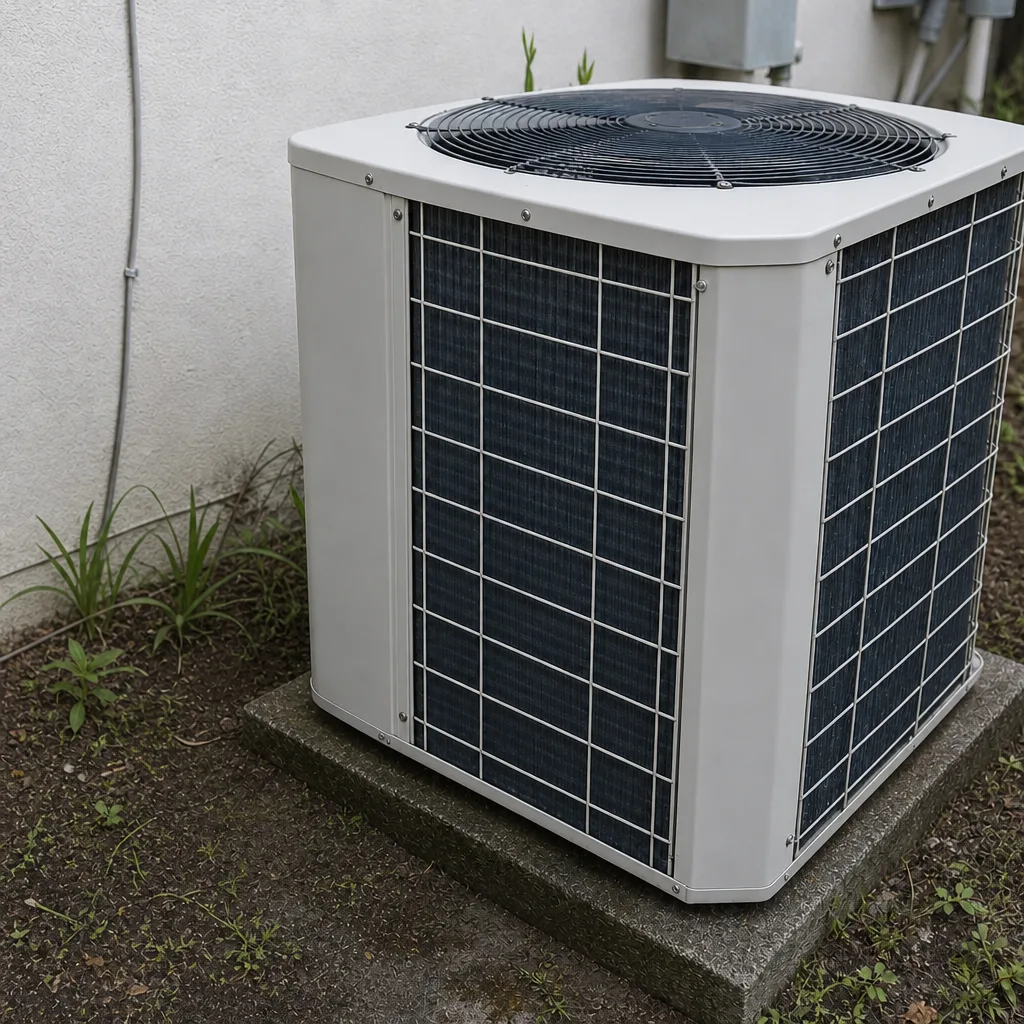
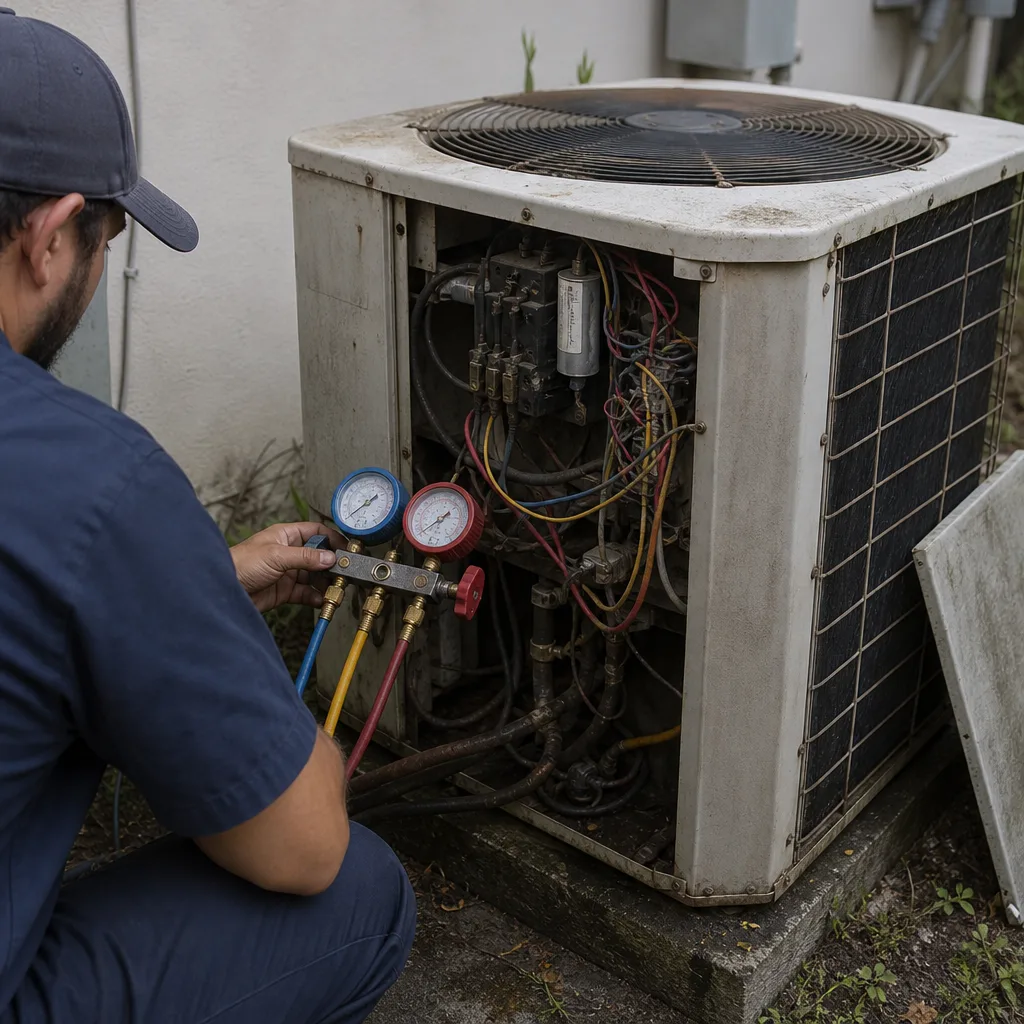 Before
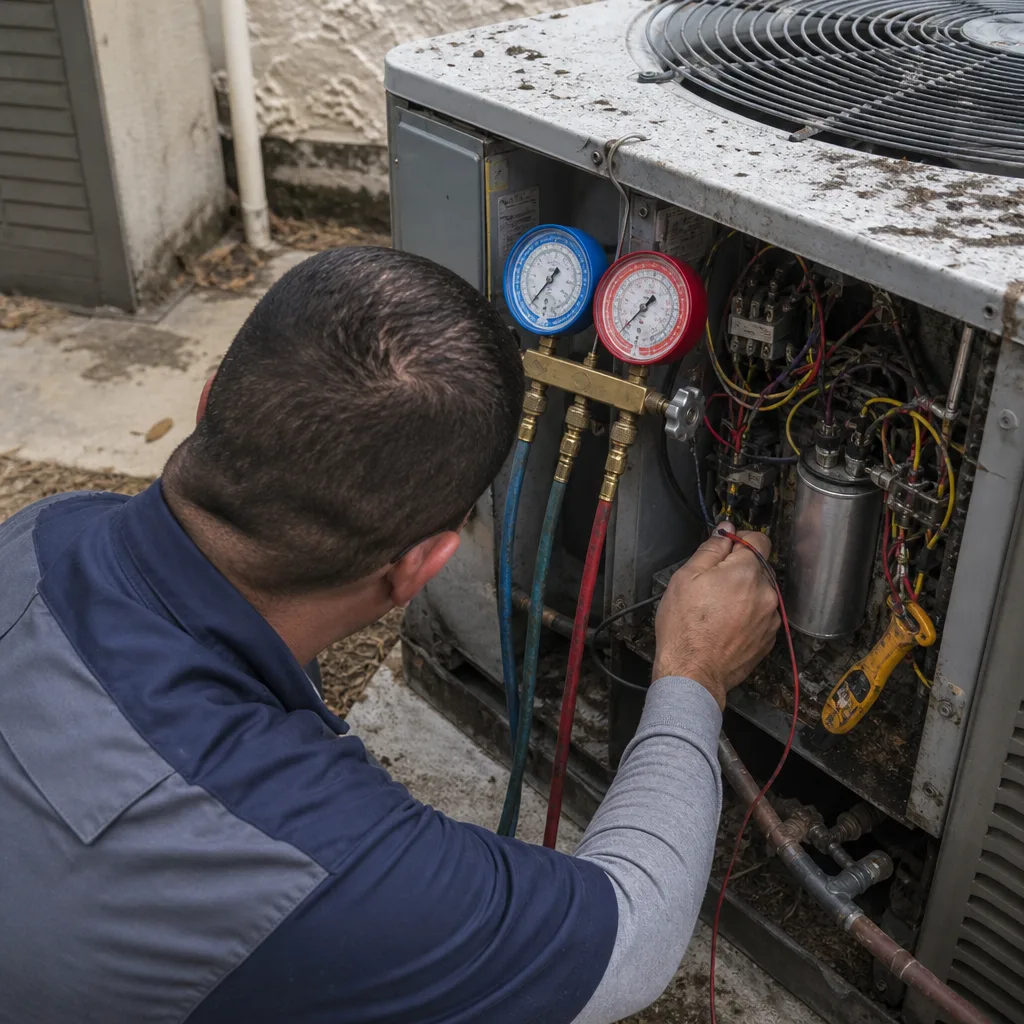
 After
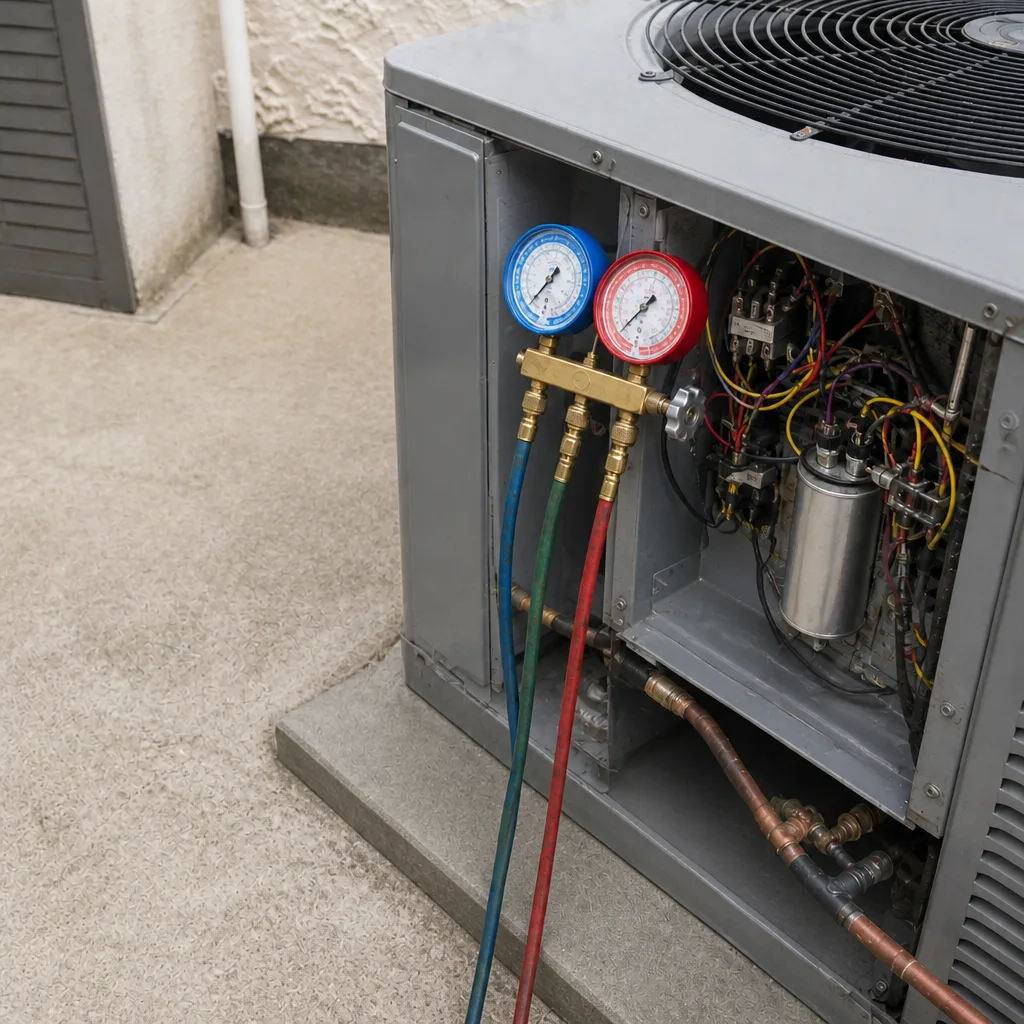
 Before
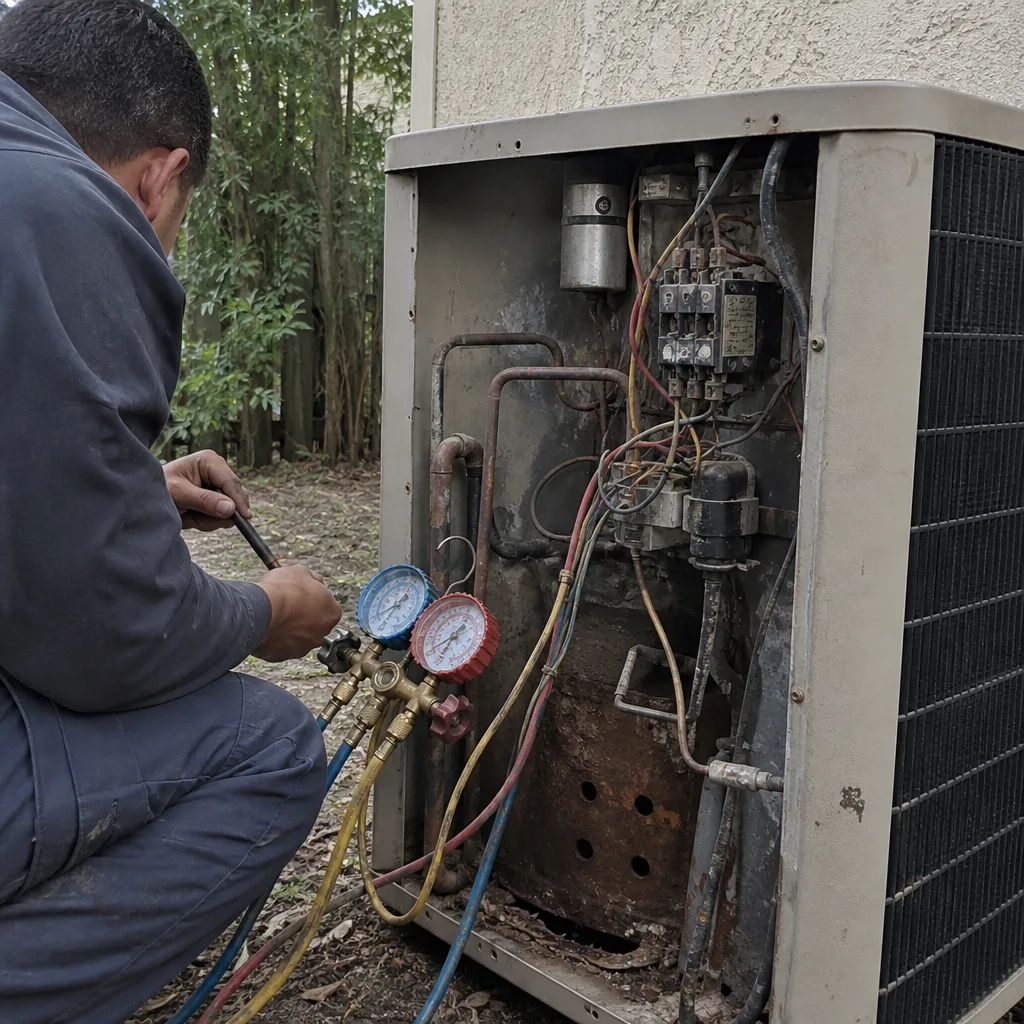
 After
 Before
 After
When to Call a Professional
Call a professional when the symptom involves refrigerant, electrical components, the compressor, or water where it shouldn’t be. Those are the four areas where DIY work ranges from ineffective to dangerous, and where a trained technician is genuinely required. Refrigerant handling is regulated, electrical components inside the unit carry real hazard, and compressor work is not a homeowner job. Call the same day for no cooling in hot weather, water pooling indoors, a burning smell, repeated breaker trips, or loud mechanical noises. For slower symptoms – weak airflow, a single room that runs warm, a filter that needs changing – you can usually wait until the next morning. Ashton AC Repair offers free estimates in Hollywood – call (833) 854-7099. Our technicians have up to 15 years of experience across nine major HVAC brands, and we diagnose first, then recommend the fix.
Frequently Asked Questions
No. Resetting the breaker, thermostat, or system clears the fault codes and operating history a technician needs to diagnose accurately, and it’s the most common reason faults can’t be reproduced on-site. Leave the system in its current state, note what you see, and hand that information to the technician when they arrive.
Call the same day for no cooling in hot weather, water pooling indoors near electrical components, a burning smell or smoke, repeated breaker trips, loud banging or grinding, or a suspected refrigerant leak. Weak airflow, a single minor sound, or one warm room can usually wait overnight. When in doubt, call (833) 854-7099 – we answer 24/7.
Warm air most often means low refrigerant from a leak, a failing compressor, or a control or thermostat fault. Refrigerant doesn’t get used up, so a low charge always means a leak that needs finding. Don’t reset the system – the fault code and operating state help the technician pinpoint the cause. Call (833) 854-7099 for a same-day visit.
You can safely check and photograph the drain pan and the visible drain line, but don’t pour chemicals down it or push a wire through it. Those moves can crack the line or push the clog deeper. In Hollywood’s humid climate, drains clog often, and a technician clears them correctly in minutes. Call (833) 854-7099 to book it.
Yes, for nine of the most widely installed residential brands: Carrier, Trane, Lennox, Goodman, Rheem, York, Daikin, Bryant, and American Standard. We’re factory-familiar with all nine, which means faster diagnosis and correct parts sourcing than a single-brand shop. See our AC repair page for what a visit involves, or call (833) 854-7099.
It depends on the age of the system, the cost of the repair relative to replacement, and how often it’s needed service. A proper diagnosis tells you which. We assess honestly and won’t recommend a replacement when a repair will do – and if replacement is the answer, we handle AC installation across all nine brands. Call (833) 854-7099 for a free estimate.
The Bottom Line
Troubleshooting your AC before a technician arrives is about preserving the evidence, not fixing the system yourself. Don’t reset the thermostat or breaker. Note the exact symptom, shoot a photo of any fault code or display, and check the drain pan if you can reach it safely. Use the symptom-to-cause matrix to decide whether the problem can wait overnight or needs a same-day call. Have your model numbers, symptoms, and observed state ready when you pick up the phone. That preparation is what makes the diagnosis fast and correct – and what keeps a small repair from turning into a replacement. In Hollywood, where the cooling season runs long, a sharp diagnosis is worth more than a reset. Call (833) 854-7099 for a free estimate. We answer 24/7. Fast dispatch from 7am to 7pm, Sunday through Friday. We work on your brand, and we’ll tell you what’s actually going on, whether your system is a Carrier, Trane, Lennox, American Standard, or any of the nine major brands we cover. One call handles both your cooling and heating needs, and you’ll get Hollywood service from a team that knows this climate. For furnace help when the season turns, our AC repair and heating team has you covered – brand-agnostic, diagnosis-first, and ready when you call.
Written by the team at Ashton AC Repair.