
Last updated November 15, 2026
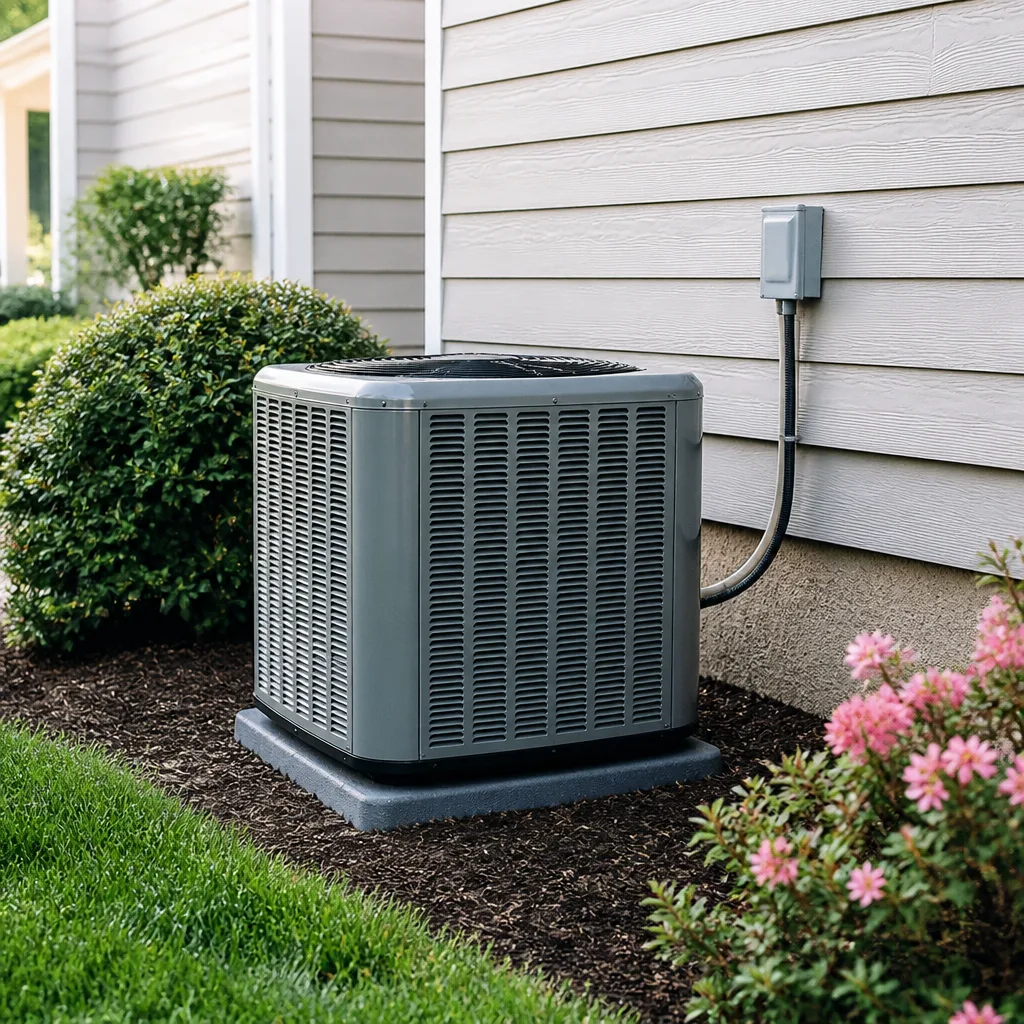 AC repair
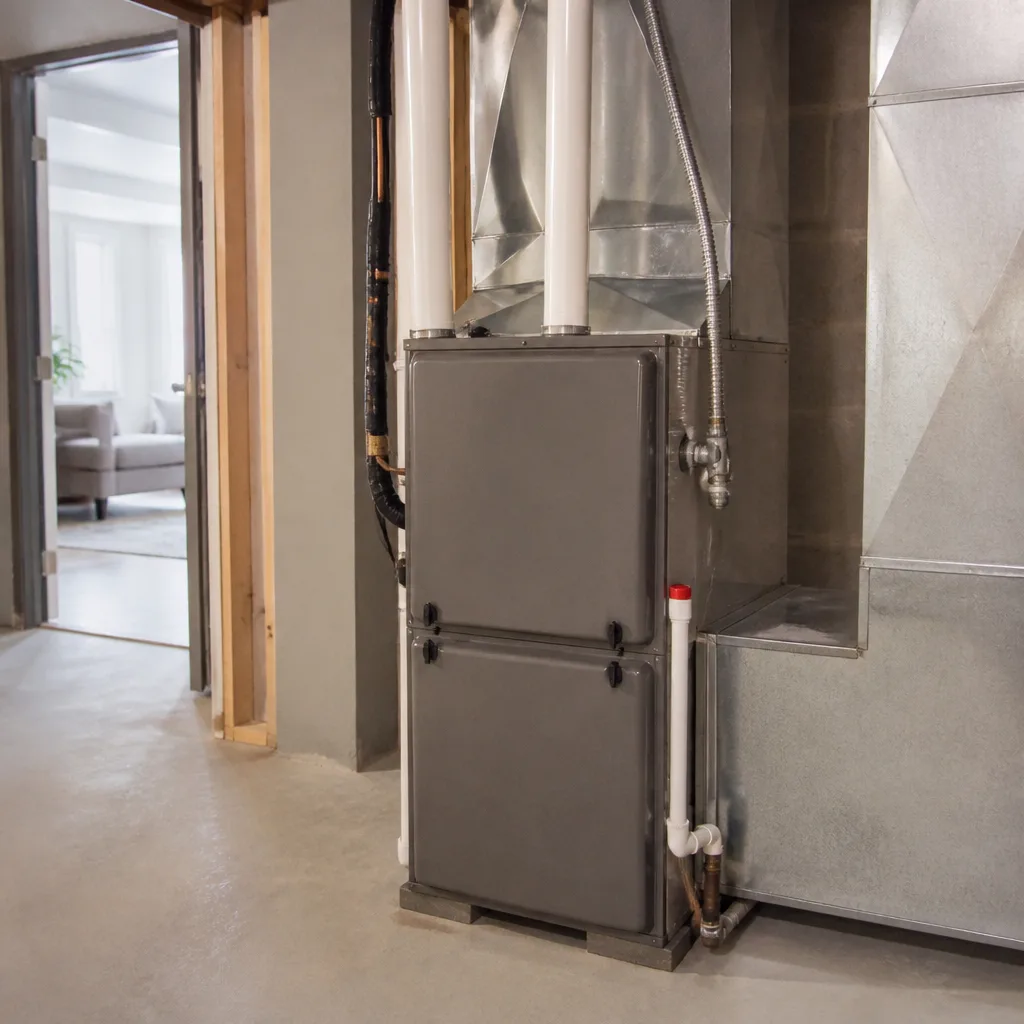 Furnace & heating
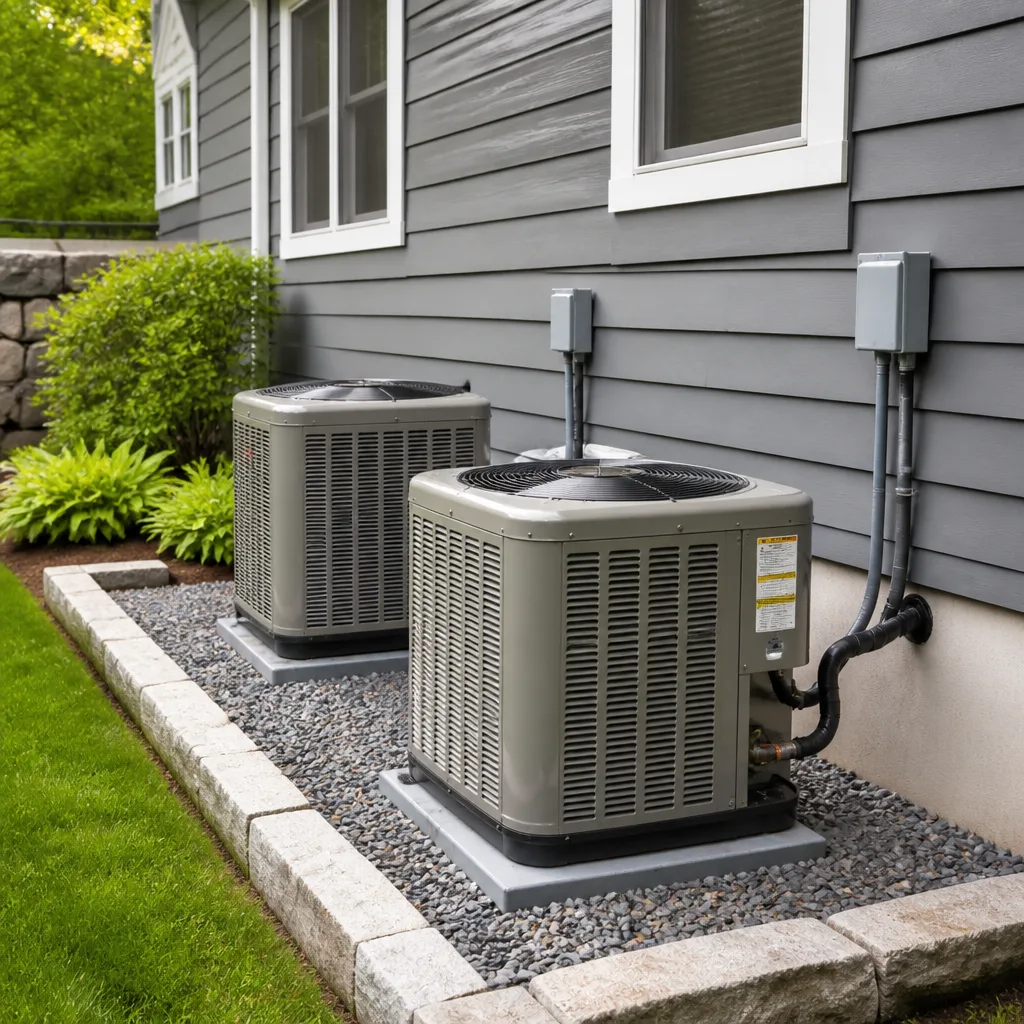 Heat pumps
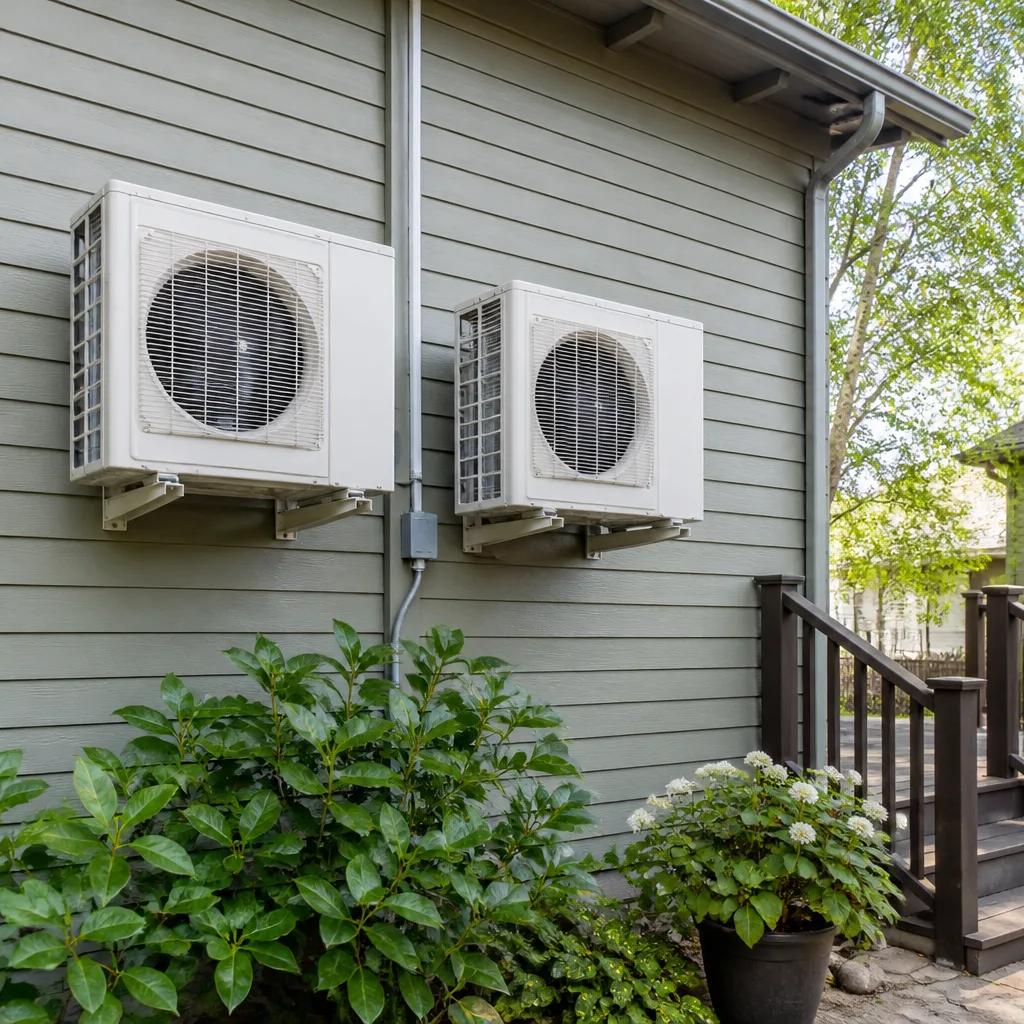 Ductless mini splits
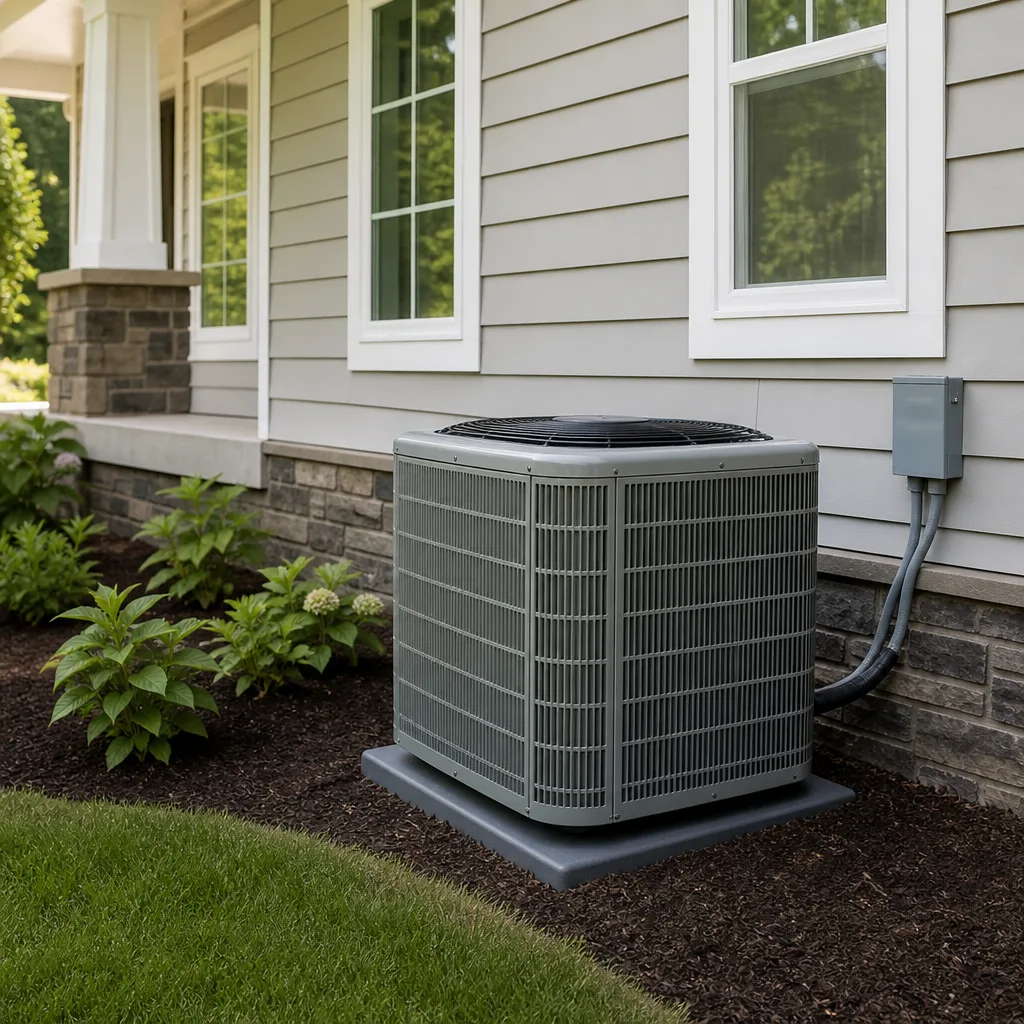 Carrier
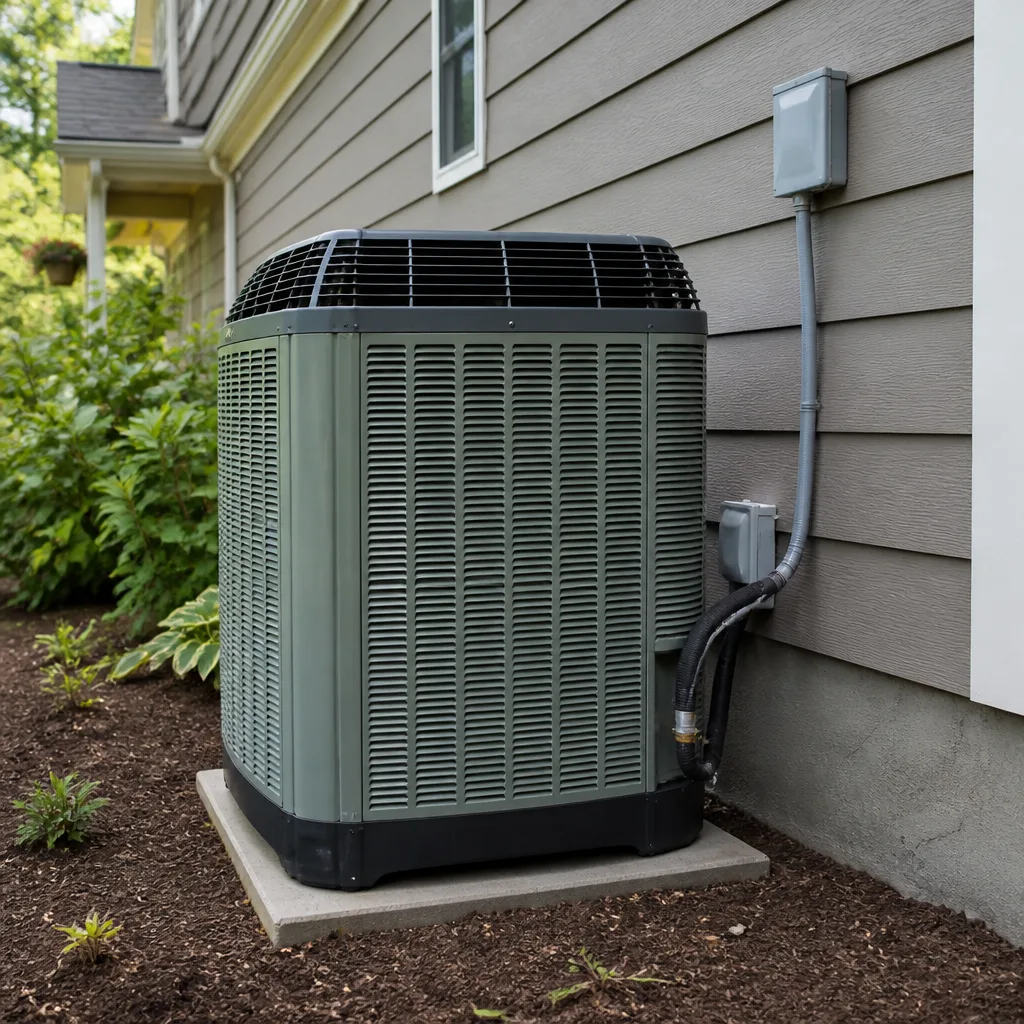 Trane
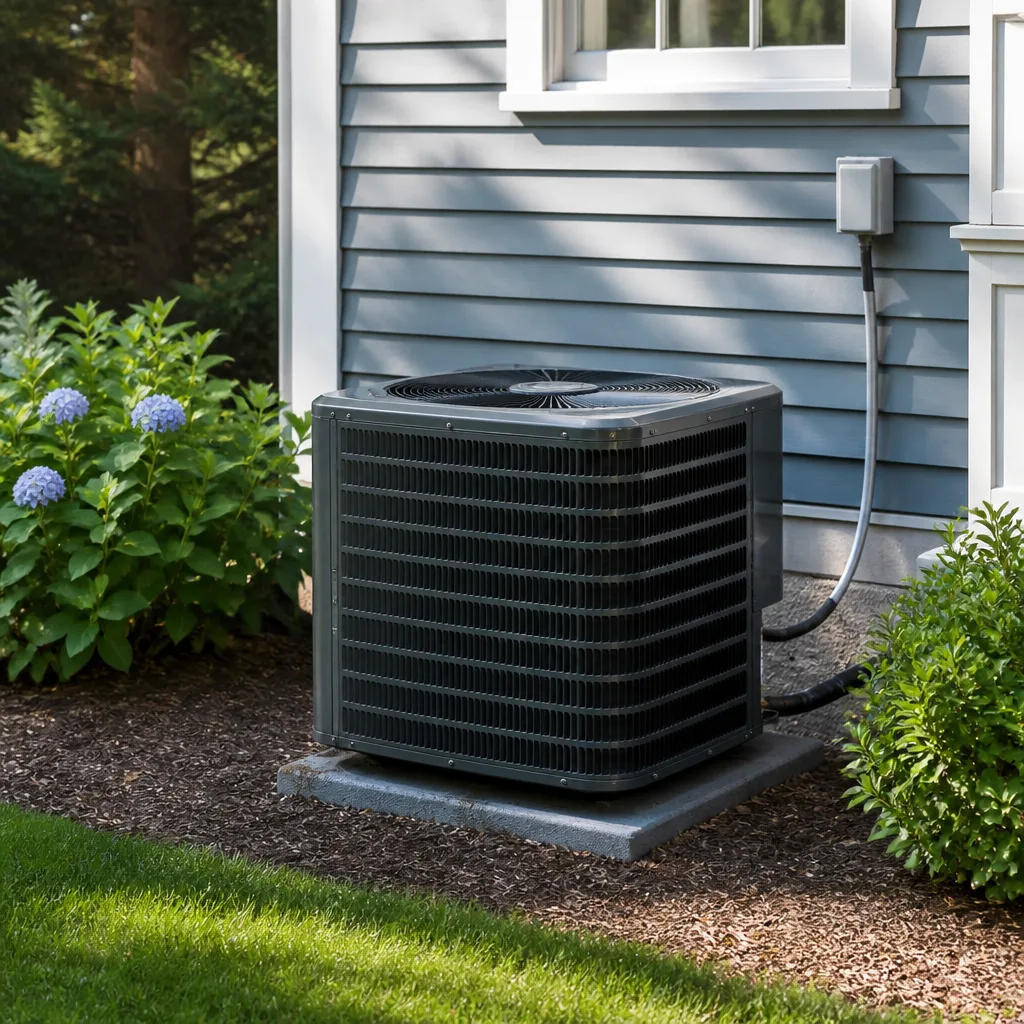 Goodman
Seasonal tune-up and full diagnostic on your Carrier, Trane, or Goodman system - readings shown to you before any repair is proposed
Diagnosis first, numbers second - you approve the repair price before a single part goes in.
Get your free estimateHVAC Permits, Codes & Inspections in Hollywood, FL: What You Need to Know
The most common misconception about HVAC permits in Hollywood isn’t that they’re expensive or hard to get. It’s the belief that a permit is about the work itself. It isn’t. A permit is the county’s permanent record that the work happened and was inspected, and that record travels with the equipment no matter how many times a house changes hands. A well-installed system with no paper trail can cause real problems at appraisal or closing, because the lender and the buyer care about documentation, not craftsmanship. In this guide we’ll walk through exactly what triggers a permit in Broward County, how the Hollywood Building Department processes HVAC permits, what inspectors actually check, and how to verify the permit history on a home.
Quick Answer
In Hollywood, FL, any HVAC work that replaces or installs equipment, alters refrigerant lines, or changes electrical service to the unit legally requires a permit and inspections under the Florida Building Code and Broward County rules. Simple maintenance like filter changes, coil cleaning, and thermostat swaps normally does not. Pulling the permit through a licensed contractor, rather than as a homeowner-owner-builder, keeps you out of the liability chain if an inspection fails years later.
Styles & brands we work with
- AC repair
- Furnace & heating
- Heat pumps
- Ductless mini splits
- Carrier
- Trane
- Goodman
Table of Contents
- What HVAC Work Needs a Permit in Hollywood, FL?
- What Doesn’t Need a Permit (and What Still Requires Care)
- How the Hollywood Building Department Processes HVAC Permits
- Florida Energy Code Requirements for New Installations
- Homeowner-Owner-Builder Permits: When They Apply and Why to Avoid Them
- How to Verify Past HVAC Permits on a Home You’re Buying or Selling
- Why Unpermitted Work Threatens Your Insurance and Equity
- Choosing a Contractor Who Gets the Permit Right
What HVAC Work Needs a Permit in Hollywood, FL?
Any time the physical equipment or its connections change, expect a permit. The Florida Building Code and Broward County’s rules require permits for work that alters a building’s mechanical system, and an HVAC system is squarely in that category. In our experience, the jobs that trip people up most often fall into a few clear categories.
- Full system replacement: Swapping an air conditioner, air handler, or furnace for new equipment requires a mechanical permit. This is the big one, and it’s the permit most often skipped when a homeowner hires a handyman.
- Refrigerant line changes: New line sets, rerooting refrigerant lines, or adding an evaporator coil to an existing system all count as alterations that need permitting.
- Electrical upgrades to the HVAC circuit: If the new equipment needs a different disconnect, a new breaker, or heavier wire, that electrical scope also requires a permit, often a separate trade permit.
- Duct work that changes the system layout: Running new ducts to a converted garage or altering the number of supply runs typically triggers a mechanical permit.
- Commercial-style modifications in residential settings: Installing a mini-split with a dedicated circuit, for example, is not a simple thermostat swap and should be permitted.
Hollywood homes run the gamut from 1950s bungalows near Downtown Hollywood to newer construction in the western neighborhoods, and the permit rules are the same across all of them. The inspection process may look different depending on when the home was built and what type of construction it is, but the legal requirement doesn’t change. In a Hollywood neighborhood like Emerald Hills, a replacement of a Carrier or Trane system follows the same path as one in Hollywood Lakes.
The simplest rule of thumb: if a contractor is going to cut into walls, alter wiring, or connect a refrigerant circuit, ask about the permit before work begins. If the answer is “you don’t need one,” ask more questions.
What Doesn’t Need a Permit (and What Still Requires Care)
Maintenance work on an existing system usually doesn’t require a permit, and that’s good news because those jobs are the ones you want happening regularly in a Hollywood summer. Filter changes, coil cleaning, thermostat replacements that reuse existing wiring, belt replacements, and refrigerant top-offs on a sealed system that isn’t being altered fall outside the permitting scope.
But “no permit required” doesn’t mean “anything goes.” A few things deserve caution:
- Refrigerant handling: Topping off refrigerant on a sealed system might not be a permitted alteration, but it’s regulated federal work. Only certified technicians can legally handle refrigerant, so it’s not a DIY task.
- Thermostat swaps involving new wiring: A simple plug-and-play replacement is fine. Running new wire to a new location or adding a communicating thermostat that needs a transformer is an electrical change, and that can require a permit.
- Coil cleaning using chemicals: Some cleaning agents can damage the aluminum fins or the drain pan if used incorrectly. A maintenance visit from a trained technician is safer than a weekend experiment.
- Duct sealing from the inside: Some aeroseal-style jobs do require permitting because they alter the sealed system. Check with the contractor before scheduling.
We work on Carrier, Trane, Lennox, and American Standard systems every week, and one thing we see repeatedly is maintenance work done correctly but never documented. Even where no permit is needed, keeping receipts and service records on file is realistic protection for resale. If you’re planning a repair and want to know whether it’s a permitted scope, our AC repair page covers the common repair jobs and where the line is drawn.
How the Hollywood Building Department Processes HVAC Permits
The permit process in Hollywood follows a fairly predictable sequence. The specifics change with the size and type of the job, but the shape is consistent. Here’s how the stages typically unfold.
- Application and plan review: Your contractor or a licensing agent files the permit application with the Hollywood Building Department. For a straightforward like-for-like replacement, the review is usually quick. For a change-out that involves different tonnage, a new electrical circuit, or duct modifications, reviewers may ask for load calculations and equipment specifications.
- Permit issuance: Once the review clears and fees are paid, the permit is issued. At this point the contractor can schedule the work. If the permit hasn’t been issued, work technically can’t start on the permitted scope.
- Rough-in inspection: Before drywall is closed or before the system is charged, an inspector verifies the mechanical rough-in: line sets, drain lines, electrical connections, and equipment placement. This is where proper line-set routing and correct flue venting (if it’s a furnace) get checked.
- Final inspection: After the system is installed, charged, and running, the final inspection confirms the equipment is labeled, the condensate drain is correct, and all required documentation is on-site. A passing final inspection produces the record the county keeps.
Timelines vary with inspection volume, but the process itself is orderly. The most common delay we see is plan review asking for information that wasn’t included up front, which is one reason having your contractor handle the paperwork rather than you is a practical move. To understand how an install project is scoped and staged, our AC installation page lays out what happens between the estimate and the final walkthrough.
Florida Energy Code Requirements for New Installations
Equipment isn’t chosen in a vacuum, and in Florida it isn’t chosen under the same rules as the rest of the country. The Florida Energy Code incorporates standards originally based on ASHRAE 90.1 and sets minimum efficiency and installation requirements for HVAC equipment, and it’s part of what an inspector will effectively check when reviewing a new installation.
In practical terms, that means:
- Minimum efficiency ratings: Replacement equipment has to meet minimum SEER and HSPF ratings. A contractor who quotes a unit that doesn’t meet the current threshold is either working from outdated information or cutting a corner.
- Correct sizing: The code expects load calculations, not guesswork. A house in Hollywood that is 1,500 square feet with the same insulation as its neighbor still might need a different tonnage because of window placement, ceiling height, or sun exposure. Sizing based on a rule of thumb is a red flag.
- Sealing and duct requirements: Duct leakage matters. The code expects duct systems to be sealed and, in many cases, tested. A system that runs on a leaky duct network wastes capacity and can cause pressure imbalances inside a Hollywood home.
- Thermostat and controls: Programmable thermostats, when required, must be set up correctly. An inspector won’t fail an installation for an unprogrammed thermostat, but the energy efficiency the code is targeting depends on the controls working.
As technicians who work on nine major brands, we’re used to explaining how a manufacturer’s equipment meets Florida’s code on paper versus in the field. Two systems with the same SEER number can perform quite differently depending on duct design and installation practice. The inspector will look for what’s documented on the equipment label and what they can verify on site. If your contractor can’t explain how a proposed unit meets the energy code, that’s a conversation worth having before a permit is filed, not after an inspection.
Homeowner-Owner-Builder Permits: When They Apply and Why to Avoid Them
Florida law allows a homeowner to pull a permit on their own home in some circumstances. The homeowner-owner-builder exemption exists so a person can do work on a single-family home they actually occupy without holding a contractor license. It’s real, and it can be legally used. But for HVAC work specifically, it’s usually the wrong path.
Here’s why:
- You become the responsible contractor: When a homeowner pulls an owner-builder permit, the homeowner becomes the party the county holds responsible for the work. If the final inspection fails, or if a problem surfaces later, the record points at the homeowner, not a licensed contractor.
- No warranty documentation from the installer: Manufacturer warranties typically require proper installation by a licensed professional. An owner-builder permit can complicate or void that coverage in the event of a failure.
- Insurance complications: A homeowners insurance policy generally expects licensed work on major systems. If a fire or water loss traces back to HVAC work that was done under an owner-builder permit, the claim can become messy.
- Refrigerant handling is regulated: Even where the permit allows the homeowner to perform the work, the federal refrigerant handling rules still apply. You can’t legally charge a system without certification.
- Disclosure at sale: A future buyer or their lender seeing an owner-builder permit on the HVAC replacement will want extra assurances. That’s a solvable problem today but a source of friction at closing later.
The straightforward approach is to have the licensed contractor pull the permit under their license. That way, the record shows a licensed professional installed the system, the final inspection is the contractor’s responsibility, and the warranty is intact. If you’re looking for a contractor to work on your brand, our Ashton AC Repair team routinely handles permits on installations across the Hollywood area.
How to Verify Past HVAC Permits on a Home You’re Buying or Selling
Whether you’re buying a Hollywood home or preparing to sell one, checking the HVAC permit history is one of the most useful things you can do before closing. Broward County makes this reasonably straightforward through its public records systems. Here’s the process.
- Find the address and parcel number: Use the Broward County Property Appraiser’s site to look up the property by address. The parcel number is what you’ll need for any building department search.
- Search the Hollywood Building Department records: The city’s building records can be searched by address. Look for permits labeled mechanical or HVAC, along with dates and final inspection results.
- Confirm the permit type matches the work: A permit for a “replacement” is different from a permit for “repair.” If the system was quoted as replaced with a new Carrier or Lennox unit, there should be a replacement permit filed on that date.
- Check the final inspection status: A permit that was pulled but never got a final inspection is a red flag. It means the work may have been started but never approved. The county has a record of the permit, but not a record that the work passed.
- Compare the equipment label to the permit record: If the equipment label shows a Trane installation from a certain year and the permit record for that year is missing, that’s an unpermitted install. Ask the seller for documentation.
- Request the permit history in writing during the inspection period: Ask your agent or the seller for the permit records, or pull them yourself. If they can’t be located, that’s not automatically a dealbreaker, but it is information a buyer should know.
For a Hollywood seller, the same process works in reverse. Pulling the records before listing is easier than fielding questions during a buyer’s inspection period. Neighbors in areas that saw a lot of construction in the past decade, like West Hollywood, often discover that one system in the house was replaced without a permit during a prior ownership. Getting that resolved before a sale is the calm move.
Why Unpermitted Work Threatens Your Insurance and Equity
Unpermitted HVAC work creates a record gap that can affect three areas of a homeowner’s life. The first is insurance. Insurers generally expect licensed work on major systems and can examine the permit history during a claim or a policy review. If a fire traced to the HVAC equipment happens after unpermitted work, the insurer has grounds to ask questions that get uncomfortable quickly.
The second is equity. A buyer’s lender may require documentation of permits for major systems before approving a mortgage. An unpermitted replacement can stall a sale while the buyer insists on a re-permit or a price reduction. In a Hollywood market where buyers and their agents are reasonably careful, the record matters.
The third is liability years down the line. If a future owner has a problem with the installation and the permit history was never regularized, the chain can loop back to whoever hired the work in the first place. That kind of legal exposure is worth avoiding with a modest permit fee and a call to the building department. In our experience, the cost of legalizing work later is far higher than the cost of doing it right the first time.
None of this means every small HVAC job needs a permit. It means the permitted scopes are clearer than the guesses people sometimes make. When in doubt, checking with the Hollywood Building Department or your contractor is a two-minute phone call that can prevent a much worse problem in a few years.
Choosing a Contractor Who Gets the Permit Right
The permit process is only as good as the contractor running it. A contractor who pulls the permit, schedules the rough-in and final inspections, and delivers the documentation to you at the end is one who’s built the process into their business. A contractor who “forgets” permits is one to be careful with, however well the equipment runs.
A few questions that separate the two:
- Who pulls the permit? The correct answer is the licensed contractor, under their license number. If they ask you to pull it as owner-builder, ask why.
- What inspections are on the schedule? A contractor who can describe the rough-in and final inspection steps and when each happens has done this before.
- What documentation will I receive? You should get the permit number, inspection results, and equipment startup documentation at the end of the job.
- Does the equipment meet current Florida Energy Code? A clear answer with the model number and efficiency rating is the right answer.
- Do you work on my brand? Technicians who regularly work on Carrier, Trane, Lennox, American Standard, and other major equipment know how those systems behave in Broward County’s heat and humidity, and they know what inspectors look for in those specific installs.
Ashton AC Repair connects Hollywood homeowners with independent local professionals who handle permits on AC repair, AC installation, and furnace work. Our technicians are familiar with nine major HVAC brands, which means fewer surprises during inspection and cleaner handoff of the permit record when the job is done. You can read more about how we approach service in Hollywood and the surrounding Broward County area.
Common Mistakes to Avoid
- Skipping the permit to save a few hundred dollars: The permit fee is a fraction of the cost of legalizing work later, and skipping it can put the sale of the home at risk years after the job was finished.
- Letting a handyman do HVAC work: In Florida, HVAC work is licensed. A handyman who offers to install a system cheaply is offering to do work that legally requires a licensed contractor and permit.
- Pulling the permit as owner-builder because it’s “faster”: It’s not faster if the final inspection fails or the manufacturer warranty comes into question. The permit follows the responsible party, and when the homeowner pulls it, that’s the homeowner.
- Hiring a contractor who doesn’t check the Florida Energy Code minimums: A unit that doesn’t meet the current SEER threshold is a problem before it’s even installed. It can slow the permit review and can fail the inspection.
- Buying or selling a Hollywood home without checking the permit history: The Broward County records are public and easy to search. A five-minute check can prevent a lengthy set of questions at closing.
- Using a rule-of-thumb tonnage quote: Sizing an HVAC system from square footage alone is a code concern and a comfort concern. Insist on load calculations, especially with significant sun exposure on a Hollywood home.
- Assuming the last contractor filed the permit properly: A permit record that was pulled but never got a final inspection is not the same as a passed permit. Look for the final inspection status, not just the permit number.
See the difference
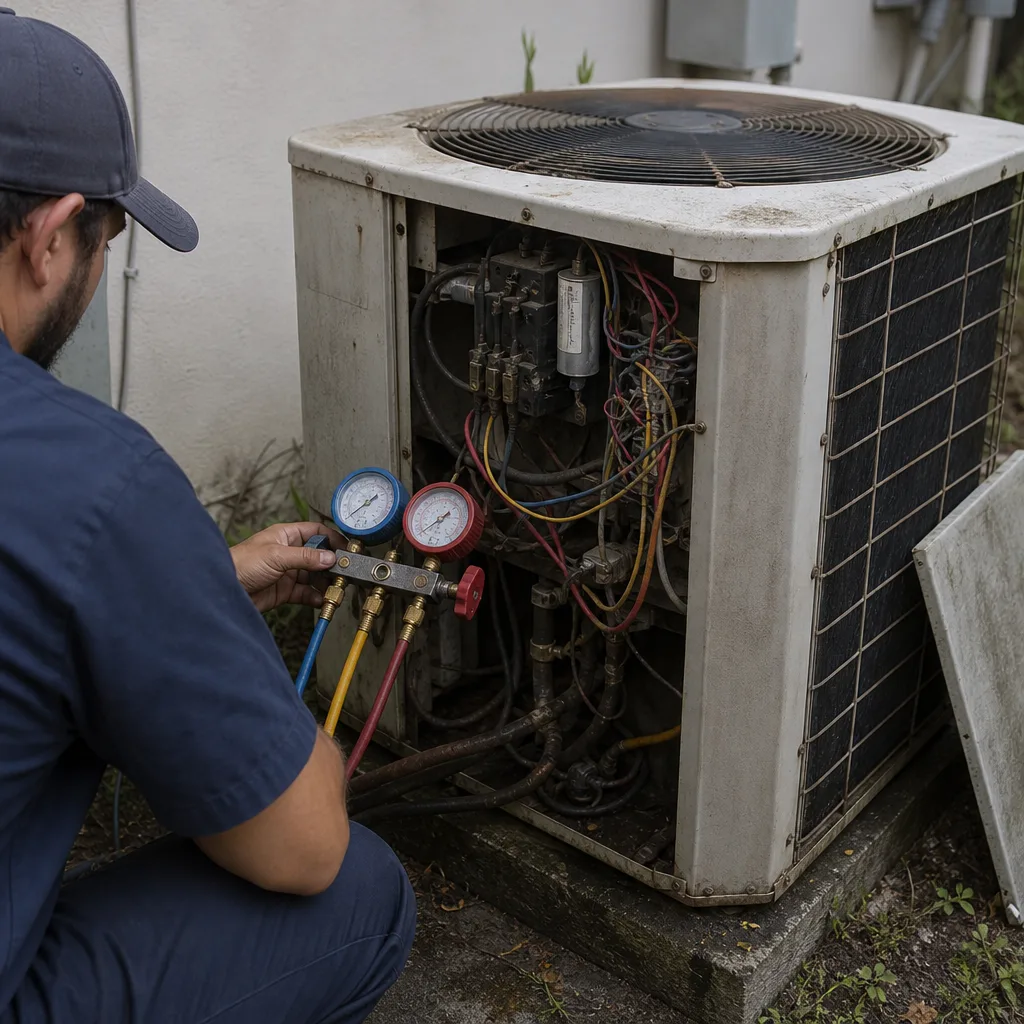 Before
 After
 Before
 After
 Before
 After
When to Call a Professional
A few situations in Hollywood call for a licensed HVAC contractor rather than a DIY attempt. Any replacement or major repair that falls under a permit requirement is the first one. A refrigerant leak that may need a component swap is another, since refrigerant handling requires certification. A system that has been running without a permit and might be doing so in the middle of a summer is a third. And any point where you’re planning to list or buy a Hollywood home is a good time to talk to a licensed contractor who can clarify what the permit record shows and what work may need to be brought into compliance.
Ashton AC Repair offers free estimates in Hollywood. Call (833) 854-7099. We answer 24/7. Fast dispatch from 7am to 7pm, Sunday through Friday.
Frequently Asked Questions
Yes. Replacing an air conditioner, air handler, or furnace in Hollywood requires a mechanical permit and inspections under the Florida Building Code and Broward County rules. The permit is the county’s permanent record that the installation was inspected, and its absence can surface during a home sale or insurance claim. Call (833) 854-7099 for a free estimate and permit handling on your installation.
Filter changes, coil cleaning, thermostat replacements that reuse existing wiring, belt replacements, and routine maintenance typically don’t require a permit. Work that alters equipment, refrigerant lines, duct layout, or electrical service to the unit almost always does. If you’re unsure where a specific repair falls, ask your contractor before work starts. We’ll give you a straight answer on scope when you call (833) 854-7099 for a free estimate.
In some circumstances, yes, under Florida’s homeowner-owner-builder exemption for single-family homes you actually occupy. But for HVAC work specifically, having the licensed contractor pull the permit keeps the responsibility on the licensed party, preserves the manufacturer warranty, and avoids insurance complications. The small savings from pulling it yourself are rarely worth the liability. Call (833) 854-7099 for a free estimate on a properly permitted job.
Timelines vary with review volume and job complexity, but a straightforward like-for-like replacement is usually quicker than a change-out involving new electrical or duct work. The contractor files, waits for review and issuance, schedules the rough-in inspection, and then the final. The best way to keep the process short is to submit a complete application the first time. Call (833) 854-7099 for a free estimate and a clear schedule.
It can stall or delay closing if the buyer’s lender requires documentation, and it may force a price adjustment or a re-permit as a condition of the sale. It’s better to find the gap before a buyer does. Pulling the permit history yourself through Broward County records is the first step. Call (833) 854-7099 for a free estimate if the system needs to be brought into compliance.
Start with the Broward County Property Appraiser to get the parcel number, then search the Hollywood Building Department records by address. Look for the HVAC permit, its date, and whether a final inspection was recorded. A permit with no final inspection is worth investigating. If the record is incomplete, having a licensed contractor review the system before closing is prudent. Call (833) 854-7099 for a free estimate and a licensed inspection of the system.
The Bottom Line
Permits exist to create a record, and that record is what protects the homeowner, the buyer, and the insurer when a system is doing the work it’s supposed to do in Hollywood’s heat. The work that triggers a permit is clearer than most people assume: replacement equipment, refrigerant line changes, electrical changes to the HVAC circuit, duct layout modifications. Maintenance work is exempt. The Florida Energy Code sets minimum efficiency and sizing rules that inspectors check, and owner-builder permits put the homeowner on the hook in ways that are rarely worth the trade. Verifying permit history is a short process through Broward County records and one worth doing before any Hollywood real estate transaction.
If you’re planning a repair or replacement and want to be sure the permit is handled correctly from start to finish, call Ashton AC Repair at (833) 854-7099 for a free estimate. We work on nine major HVAC brands, from Carrier and Trane to Lennox and American Standard, and our team can walk through the permit scope and schedule for your specific job.
Written by the team at Ashton AC Repair.