
Last updated November 15, 2026
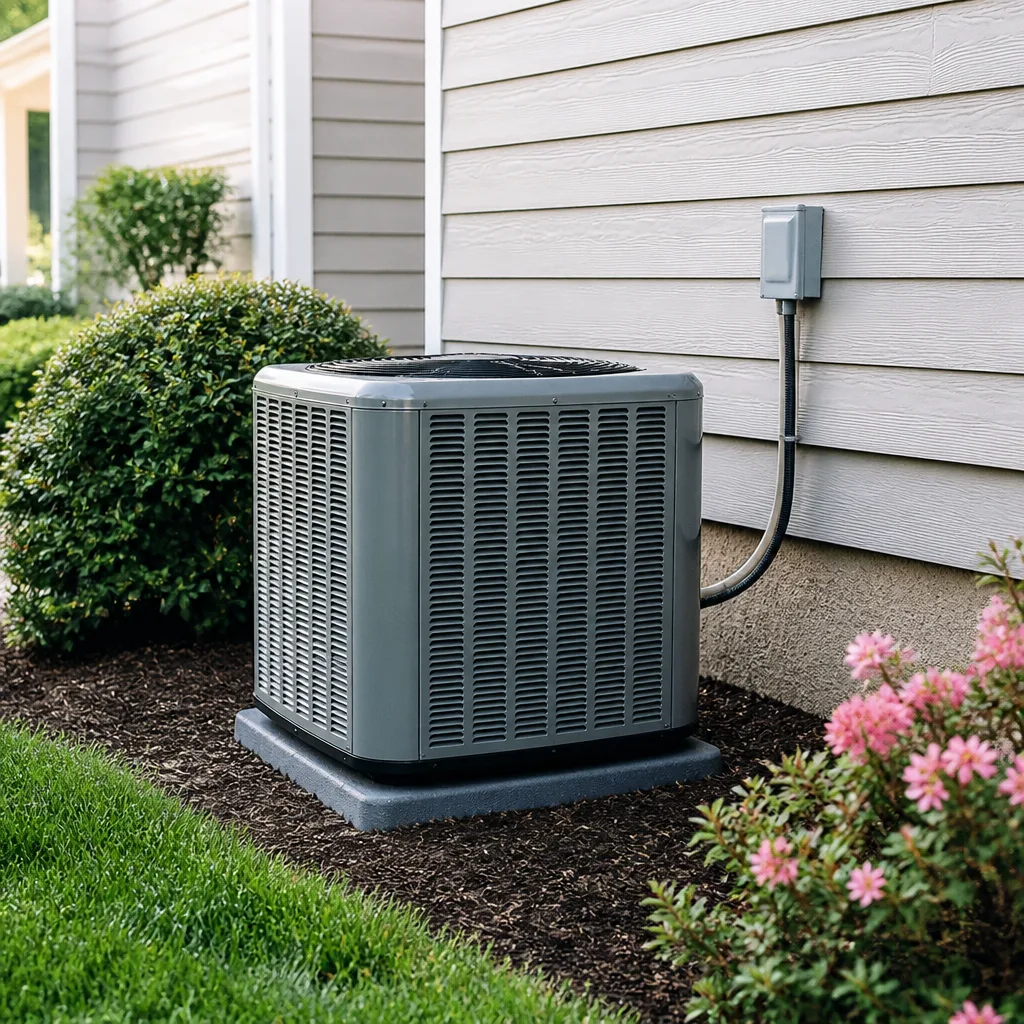 AC repair
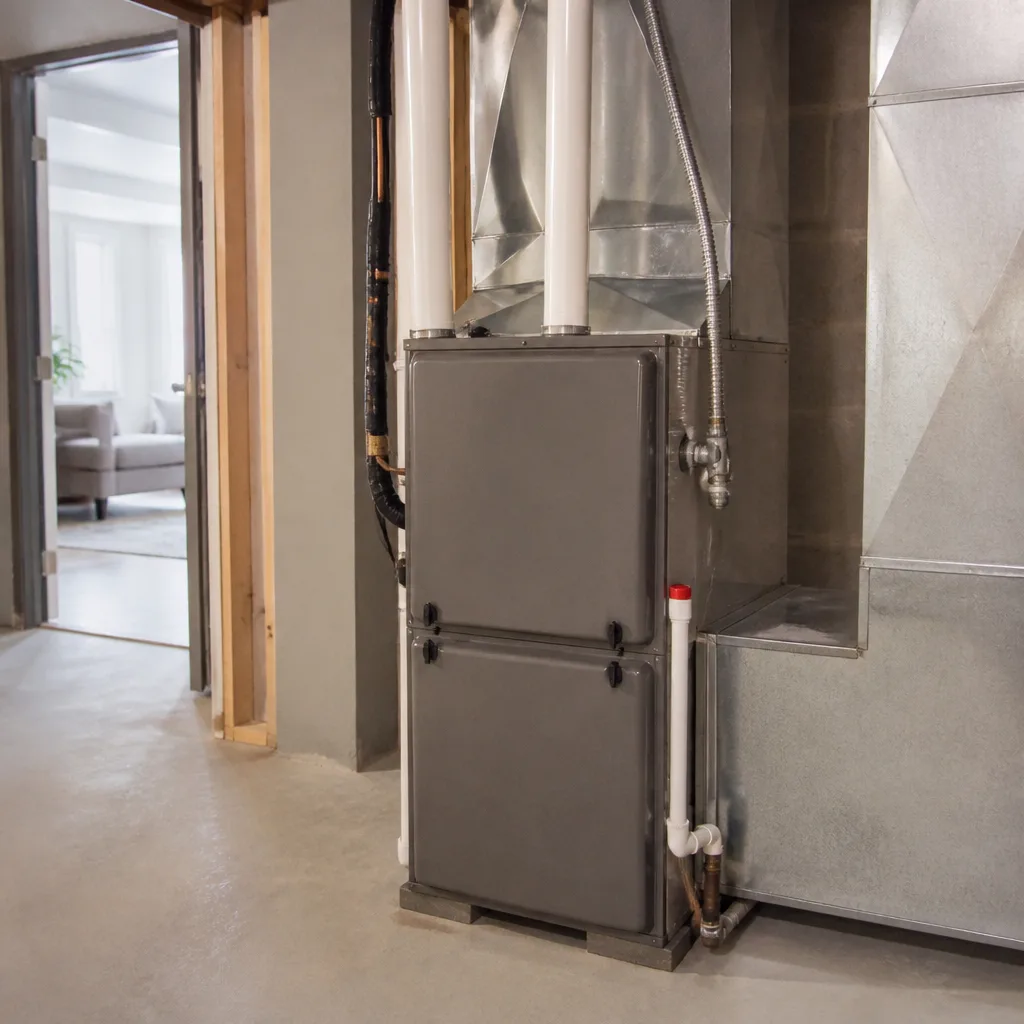 Furnace & heating
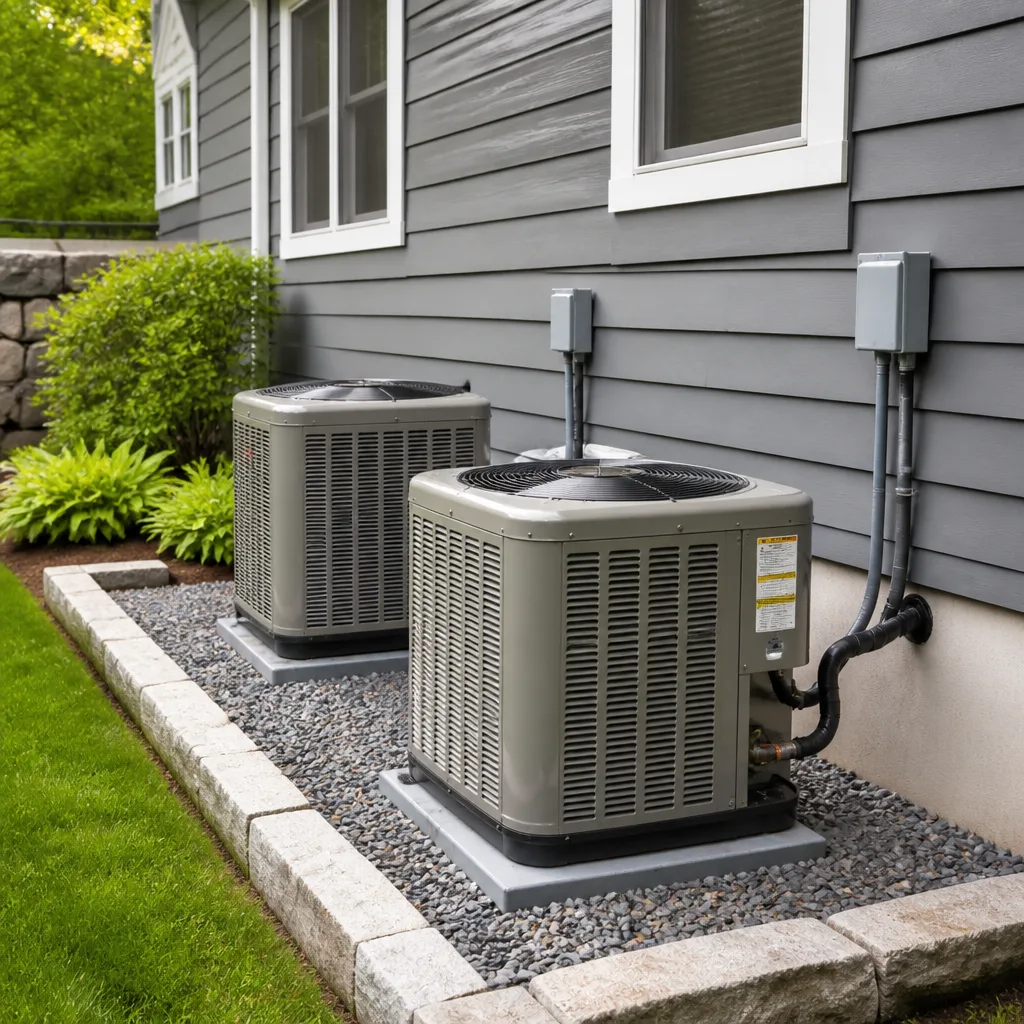 Heat pumps
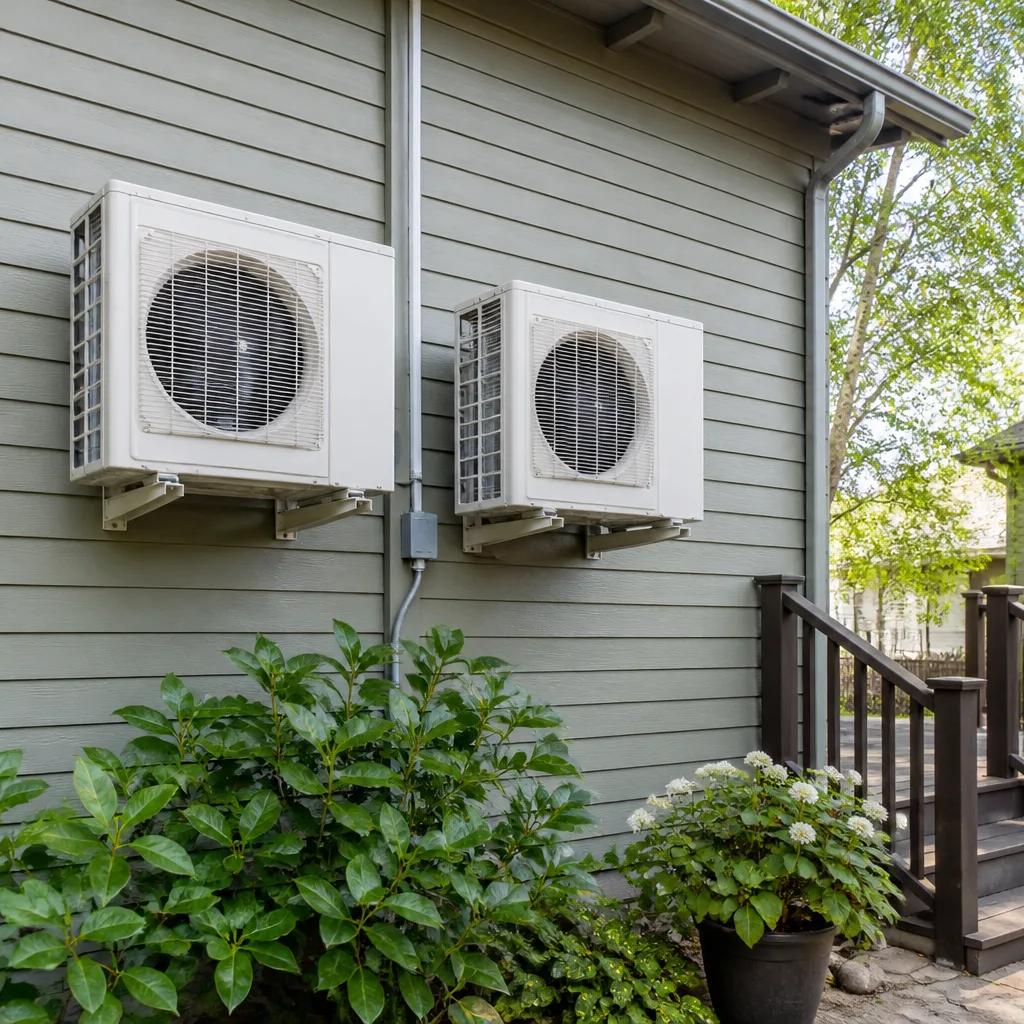 Ductless mini splits
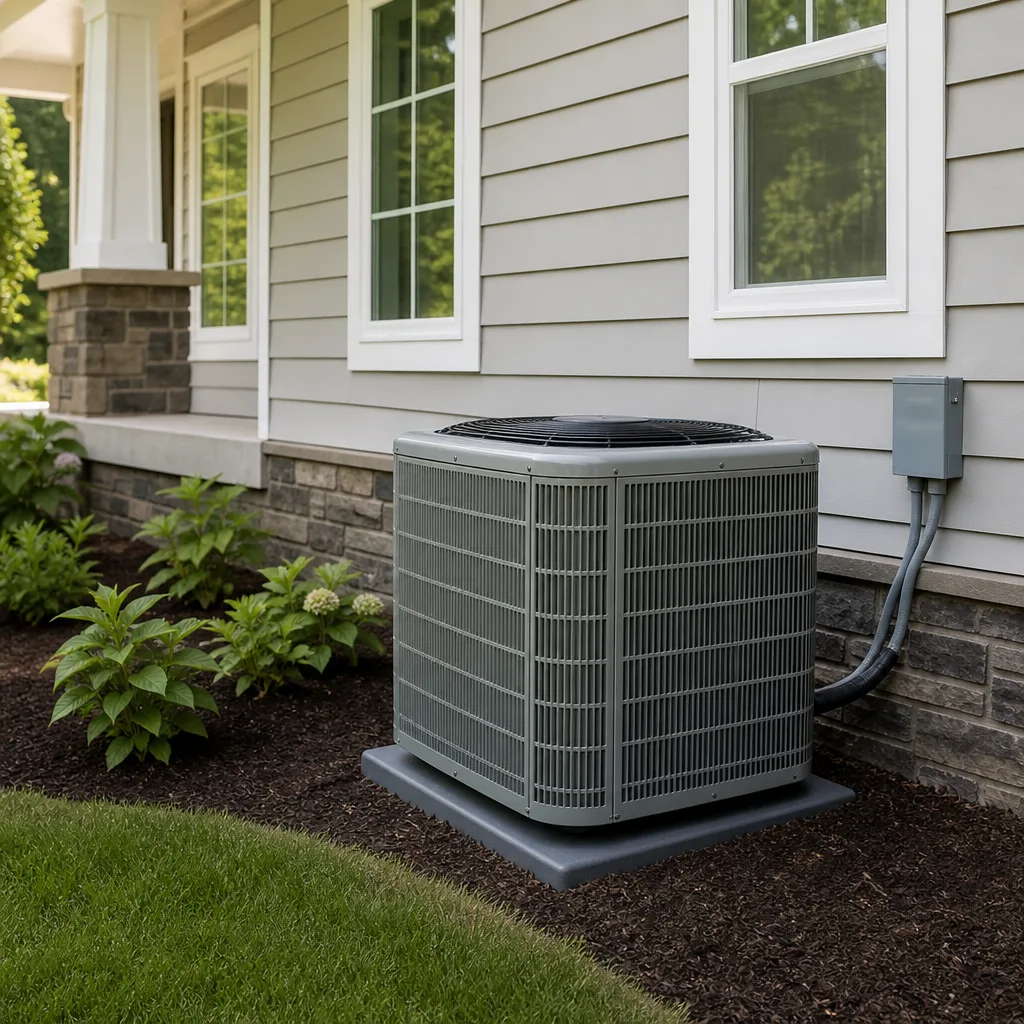 Carrier
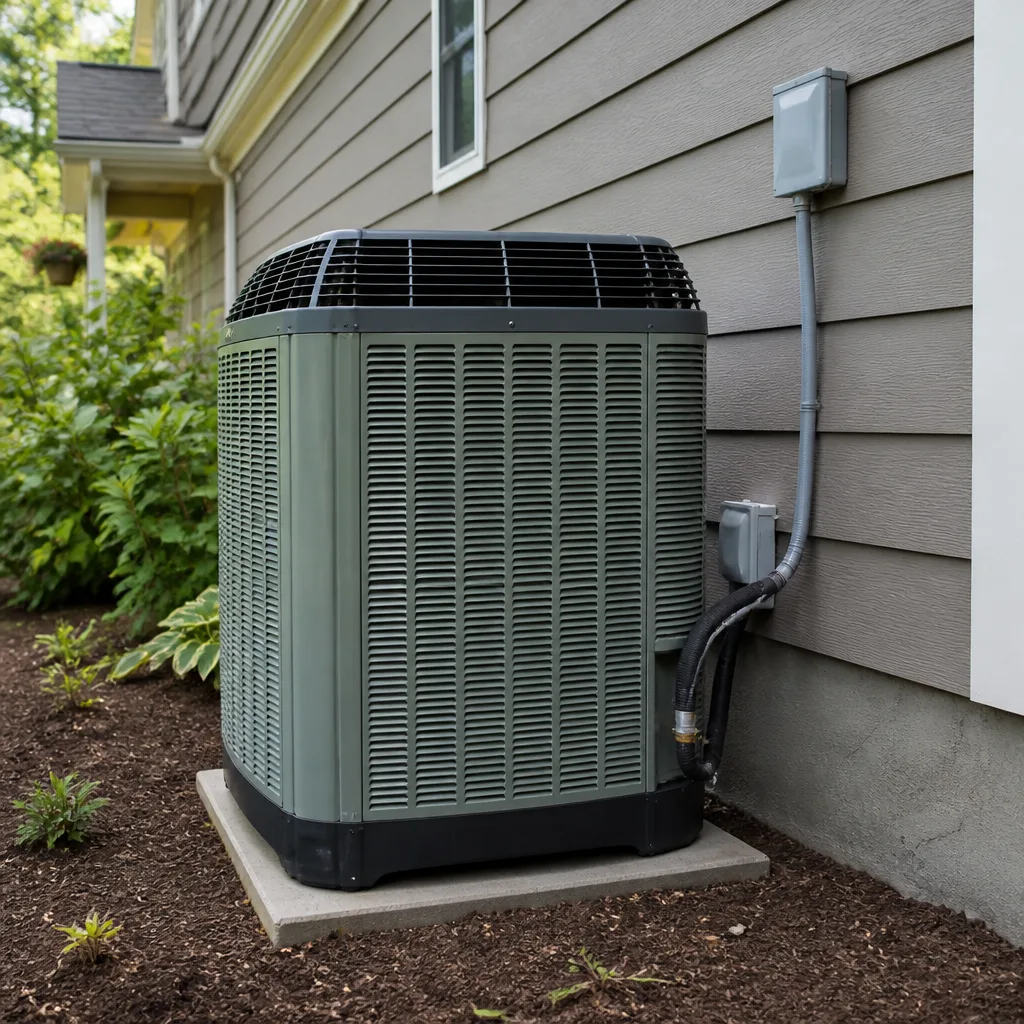 Trane
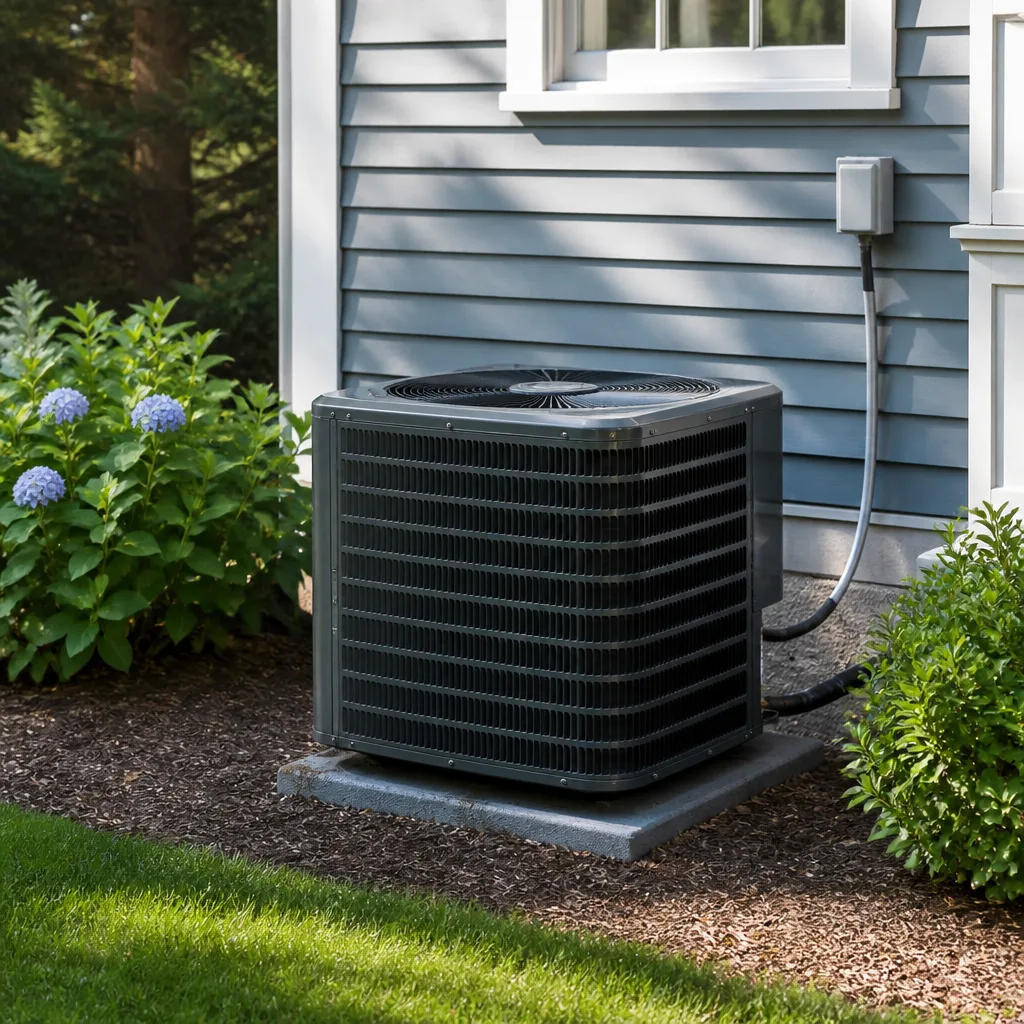 Goodman
Seasonal tune-up and full diagnostic on your Carrier, Trane, or Goodman system - readings shown to you before any repair is proposed
Diagnosis first, numbers second - you approve the repair price before a single part goes in.
Get your free estimateAC Repair Maintenance Checklist for Hollywood Homeowners
Most AC maintenance checklists you’ll find online were written for a climate that gets a break. A system that runs eight months a year in dry air, then rests all winter, can survive a skipped drain flush or a filter stretched an extra month. Hollywood doesn’t offer that break. Your system pulls water out of humid air every single day it runs, and in South Florida it runs most of the year. A neglected condensate line that might cost nothing in a drier climate can back up and soak a handler closet fast when the system is moving gallons of condensate daily. What follows is a checklist built around how equipment actually lives in Hollywood: constant runtime, high humidity, and air that carries fine particulate year-round. You’ll get monthly, quarterly, and annual tasks, the drain maintenance that matters most here, and the technician checks homeowners almost always overlook.
Quick Answer
A practical AC maintenance checklist for Hollywood homeowners has three tiers: monthly filter changes and drain-line checks, quarterly coil and outdoor unit inspections, and an annual professional tune-up that covers capacitor health, refrigerant charge, and contactor condition. Because Hollywood’s humidity keeps systems running hard, the single highest-priority DIY task is keeping the condensate drain clear. The tasks most often skipped are the invisible electrical ones, and those are exactly what a trained technician catches before they become a midsummer breakdown.
Styles & brands we work with
- AC repair
- Furnace & heating
- Heat pumps
- Ductless mini splits
- Carrier
- Trane
- Goodman
Table of Contents
- Monthly Tasks: Filter and Drain Basics
- Why the Condensate Drain Matters More in Hollywood
- Quarterly Tasks: Coils and the Outdoor Unit
- Salt-Air Corrosion: Checking Coils Before It Becomes a Leak
- Filter Intervals for South Florida Air
- The Invisible Technician Tasks Homeowners Omit
- The Annual Tune-Up: What It Should Include
- Common Mistakes to Avoid
Monthly Tasks: Filter and Drain Basics
Once a month, two things deserve your attention: the air filter and the condensate drain. Everything else can wait for the quarterly pass. Start with the filter. Pull it, hold it up to a light, and look through it. If you can’t see light clearly through the pleats, it’s done, regardless of what the calendar says. In Hollywood, where the AC often runs continuously, a filter that a manufacturer labels as good for three months may load up in half that time. Dust, pollen, and the fine particulate that hangs in humid air all collect faster when the system never cycles off for long.
The drain check takes less than five minutes and protects you from the most common water damage an AC can cause. Here’s the routine:
- Locate the condensate drain line, usually a PVC pipe running from the indoor air handler toward a floor drain, laundry sink, or outside.
- Look for standing water in the drain pan under the air handler. Any water there means the line is starting to clog.
- Find the access cap or T-fitting on the drain line and pour a cup of plain water through it. If it drains slowly or backs up, the line needs clearing.
- Check the float switch if your system has one. It shuts the unit off when the pan fills, and a stuck float can either flood the pan or shut you down on a hot day.
These two tasks alone prevent the majority of the problems we see on routine calls in Hollywood. They’re cheap, quick, and they buy you time to notice bigger issues before they compound.
Why the Condensate Drain Matters More in Hollywood
An air conditioner doesn’t just cool air. It dehumidifies it, and the water it pulls out has to go somewhere. In a dry climate, that volume is modest. In Hollywood, where summer humidity sits high for months, a running system can produce a steady stream of condensate every day. That constant flow is what turns a small, slow clog into a flooded closet. The drain line is the one component whose failure mode is water damage rather than a loss of cooling, and that makes it the highest-priority DIY item on any South Florida checklist.
Algae and biofilm are the usual culprits. Warm, wet, dark PVC is an ideal growing environment, and growth narrows the pipe gradually until it stops entirely. Once it stops, the pan fills, the float switch trips (if it’s working), and your system shuts down with a closet floor covered in water. Or the float fails and the water keeps coming. Either outcome is far easier to prevent than to fix.
Some practical habits help:
- Flush the drain line monthly with plain water, and consider a vinegar flush quarterly to slow biofilm growth. Avoid harsh chemicals that can damage the pipe or the pan.
- Keep the air handler closet dry and clear of stored items so you can actually see the pan.
- If your drain terminates outside, check that the outlet isn’t buried or blocked by landscaping.
- Watch for musty smells near the air handler, which often point to standing water or a slow drain.
If you’re ever unsure whether the drain is flowing properly, that’s a fair question to hand to a technician during a AC repair visit. Clearing a stubborn clog is quick work for someone with the right tools.
Quarterly Tasks: Coils and the Outdoor Unit
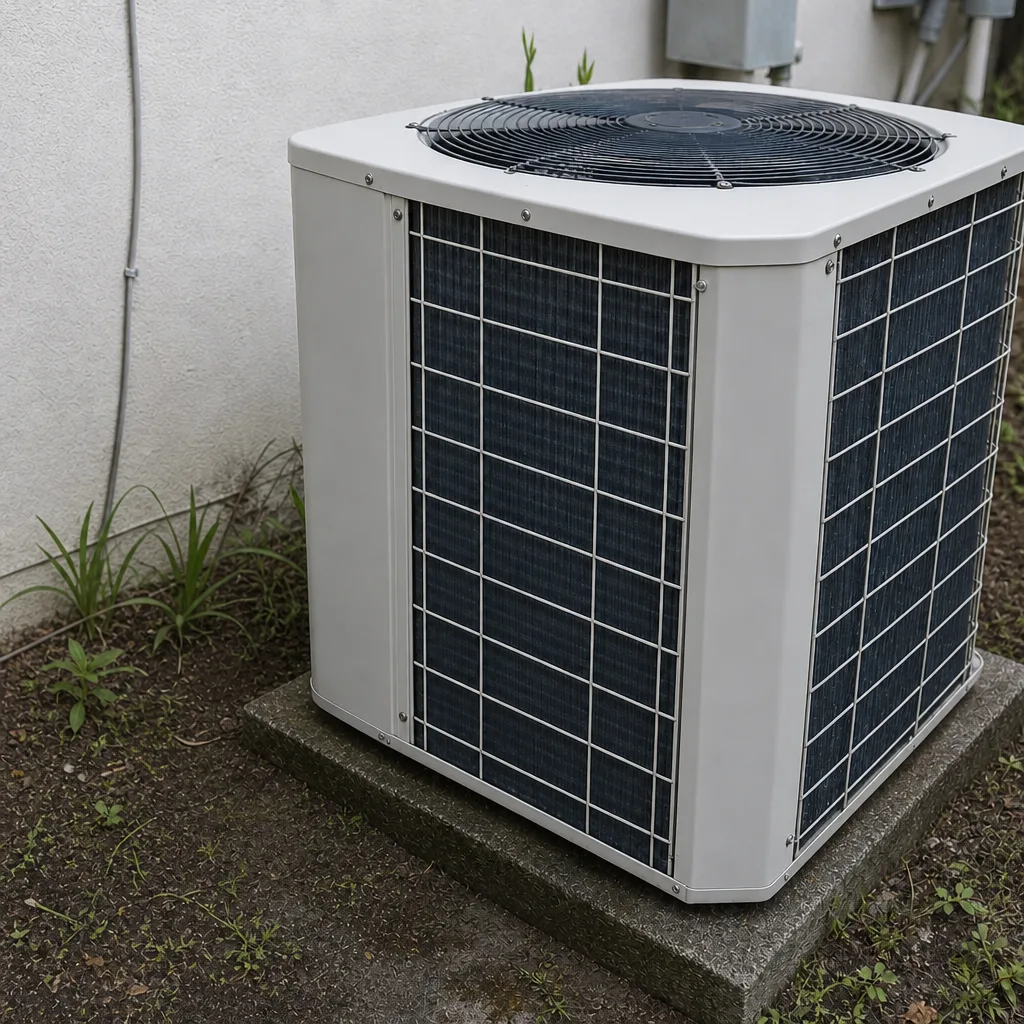
Every three months, look at the two halves of your system that do the heat exchange: the evaporator coil indoors and the condenser coil outdoors. Both need to be clean to move heat efficiently, and both collect debris in Hollywood’s air. The evaporator coil sits inside the air handler and is harder to see, but you can often spot dust buildup on its face when you change the filter. The condenser coil, wrapped around the outdoor unit, is much easier to inspect and much more exposed.
For the outdoor unit, do a careful visual pass:
- Turn the system off at the thermostat before you touch anything near the outdoor unit.
- Clear leaves, grass clippings, and debris from around the base and top grille. Keep at least two feet of clearance on all sides.
- Look at the coil fins through the grille. Straight, even fins are healthy. Crushed, bent, or matted fins restrict airflow and force the system to work harder.
- Check that the unit sits level and that the pad hasn’t sunk or washed out.
- Rinse the coil from the inside out with a garden hose on low pressure if it’s visibly dirty. High pressure bends fins.
Indoors, check for moisture anywhere it shouldn’t be. Rust streaks, water stains, or a persistently damp closet point to a problem worth diagnosing. If you notice ice forming on the indoor coil or the refrigerant lines, turn the system off and call for service; ice usually signals low refrigerant or restricted airflow, and running it that way can damage the compressor.
Coil condition matters even more when you consider corrosion, which brings us to the next section.
Salt-Air Corrosion: Checking Coils Before It Becomes a Leak
Hollywood’s air carries salt, and salt is hard on the aluminum fins and copper tubing that make up your coils. This isn’t a problem you can eliminate, but it is one you can catch early. Corrosion on a coil starts small: a chalky white residue, a few pitted spots, fins that crumble when you touch them. Left alone, corrosion works its way into the tubing, and a pinhole leak in the coil means lost refrigerant, which means your system stops cooling and you’re facing a coil replacement rather than a cleaning.
During your quarterly inspection, look closely at the outdoor coil. Signs worth noting:
- White or powdery deposits on the fins or tubing
- Fins that bend or break off easily when pressed gently
- Discoloration or dark spots on the copper tubing
- Any oil residue near fittings, which can indicate a small refrigerant leak
On the indoor side, corrosion is less common but worth a glance whenever the coil is accessible. The good news is that catching corrosion early often just means a cleaning and, in some cases, a protective coating. Catching it late means a repair bill far larger than the inspection would have been. This is one of the reasons we ask homeowners to look, not just run the system and assume it’s fine.
If you spot corrosion and aren’t sure how serious it is, a technician can tell you quickly. Our teams work on the major equipment lines you’re likely to have, including Carrier, Trane, and Lennox, so the diagnosis is familiar territory. For a fuller picture of how we handle service across the area, see our Hollywood page.
Filter Intervals for South Florida Air
Manufacturer filter intervals are a starting point, not a rule. They’re typically written for average conditions, and Hollywood’s conditions aren’t average. Higher humidity, year-round particulate, and near-constant runtime all mean filters load faster than the box suggests. As a practical guide, treat the manufacturer’s interval as a maximum, and check the filter monthly to see what your specific home actually needs.
What drives the interval in a Hollywood home:
- Runtime. A system that runs most of the year pulls far more air through the filter than one that runs seasonally. More air, more loading.
- Pets and occupants. Hair, dander, and dust shed indoors all end up in the filter. Homes with pets usually need more frequent changes.
- Outdoor air. Homes near busy roads or with windows open often pull in more particulate.
- Filter type. Thicker pleated filters hold more before they load, and washable filters need a rinse on a regular schedule. Cheap fiberglass filters protect the equipment but catch little else.
A clogged filter is more than a nuisance. It restricts airflow, which makes the system work harder, can cause the indoor coil to ice up, and puts strain on the blower. It’s the least expensive maintenance task on this list and the one with the most direct effect on how long your equipment lasts. Check monthly, replace when the light test fails, and don’t stretch an interval just because the package says you can.
The Invisible Technician Tasks Homeowners Omit
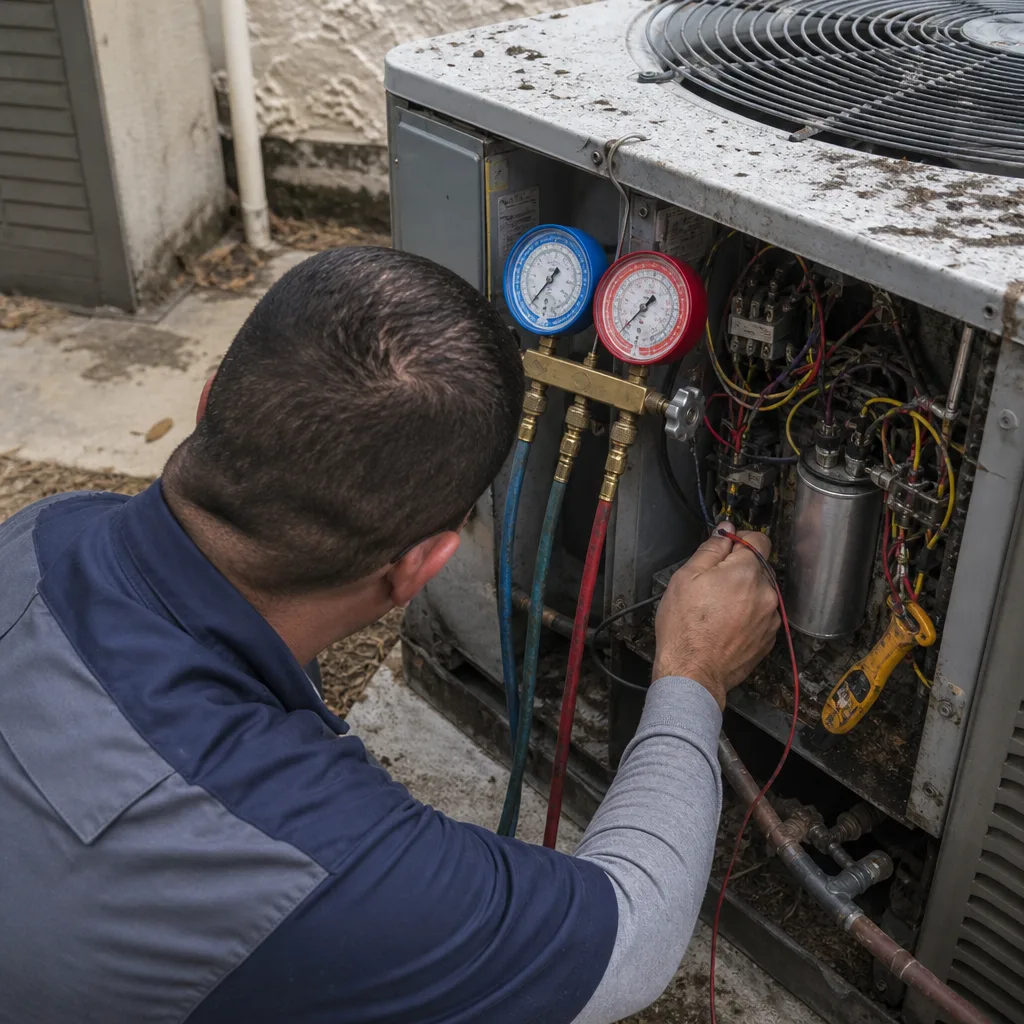
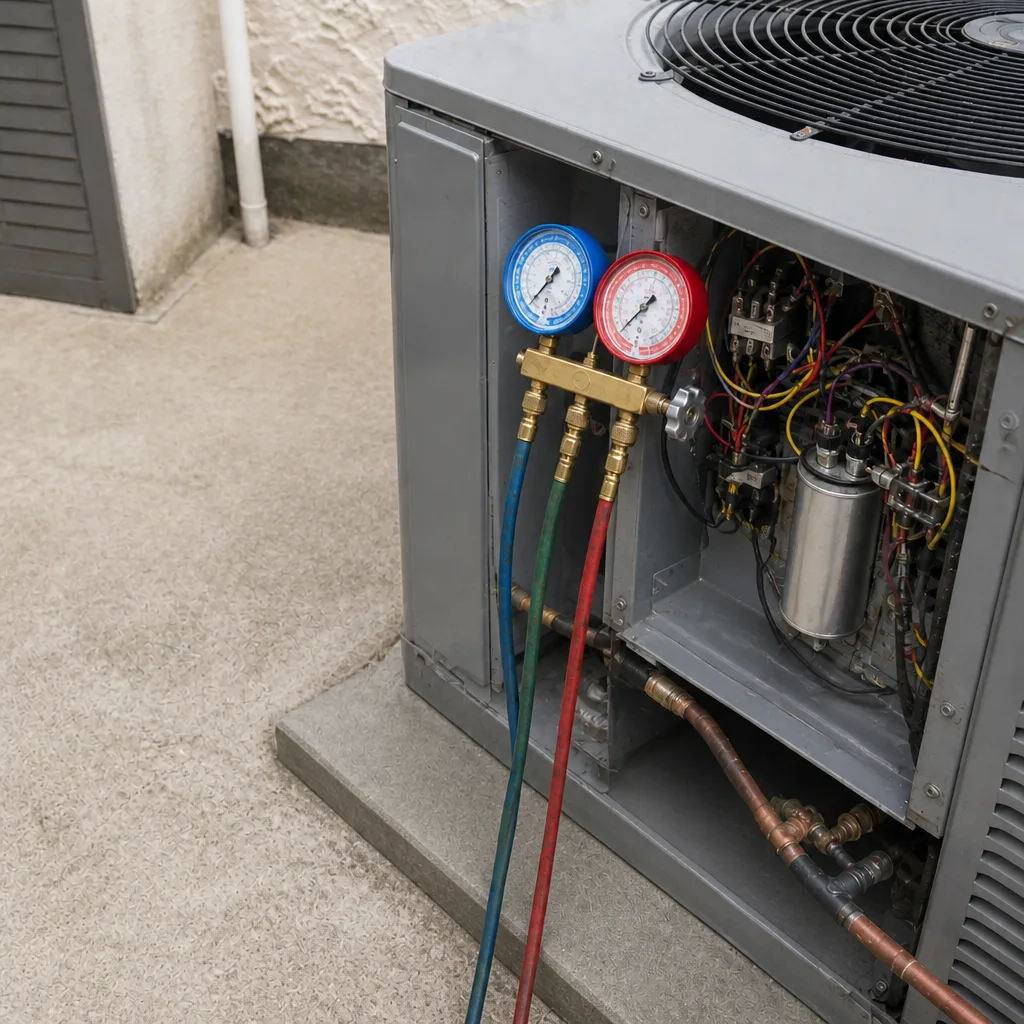
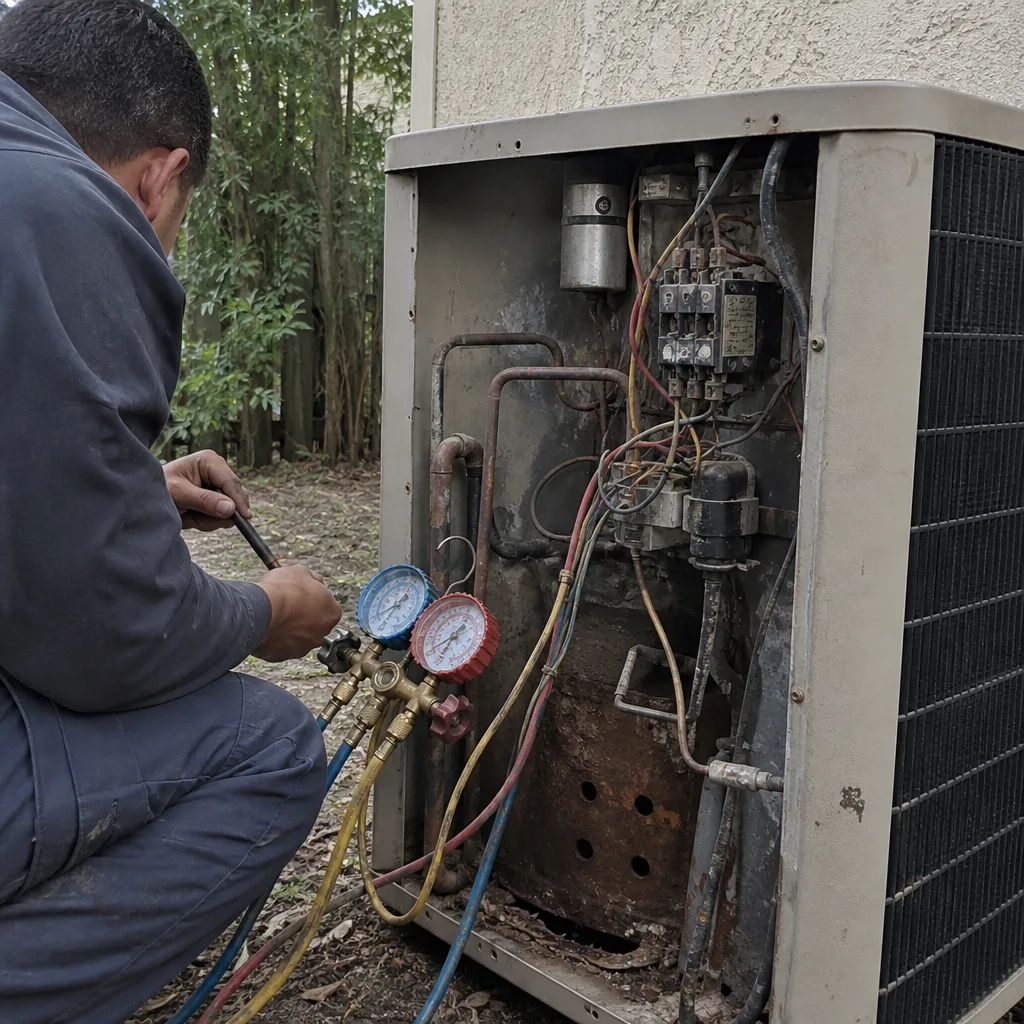
The tasks homeowners do themselves are the visible ones: filter, drain, outdoor unit cleaning. The tasks they consistently omit are the invisible ones, the electrical and refrigerant checks that don’t announce themselves until something fails. These belong on the checklist precisely because you can’t see them and can’t do them yourself. A capacitor that’s drifted out of spec, a contactor with pitted contacts, or a refrigerant charge that’s a little low will all run quietly until the first hot week, then fail at the worst possible moment.
The three most overlooked:
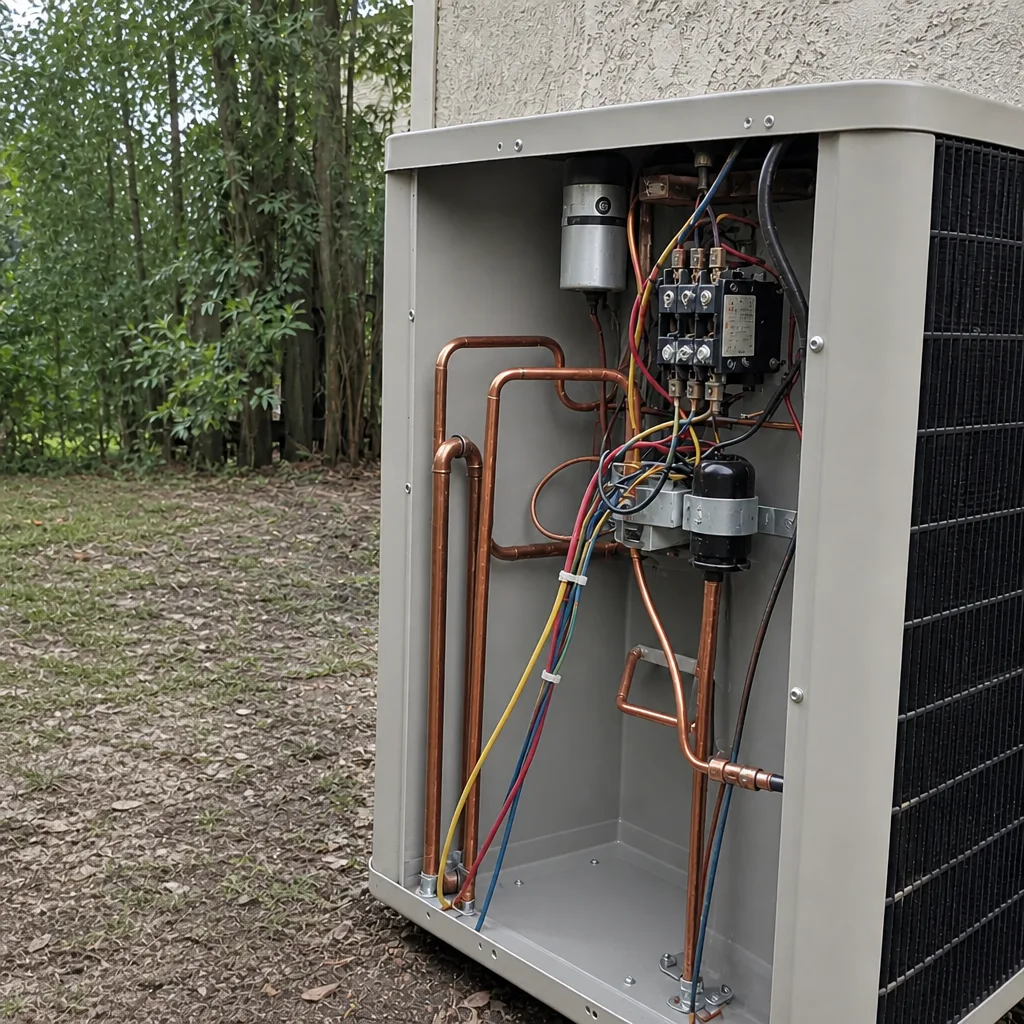
- Capacitor checks. Start and run capacitors help the compressor and fan motors start and run smoothly. They degrade with heat and age, and a weak capacitor is one of the most common causes of a system that won’t start on a hot afternoon. Testing them takes minutes and replacing a weak one is inexpensive compared to a failed compressor.
- Refrigerant charge verification. A system that’s slightly undercharged still cools, but it runs longer, works harder, and stresses the compressor. Measuring charge properly requires gauges and training. It’s also how technicians spot a slow leak before it becomes a total loss of refrigerant.
- Contactor inspection. The contactor is the switch that powers the outdoor unit. Its contacts pit and burn over time, and a worn contactor can cause intermittent failures that are hard to trace. A technician checks it in seconds.
None of these are things to try yourself. Capacitors hold a dangerous charge even after power is off, and refrigerant work requires certification and equipment. They’re the reason a professional tune-up earns its keep, even for a homeowner who’s diligent about the DIY tier.
The Annual Tune-Up: What It Should Include
Once a year, have a technician go through the system end to end. A proper tune-up isn’t a quick filter swap and a pat on the back. It’s a measured inspection of the parts that determine efficiency and reliability. When we tune up a system, we work through the same categories regardless of brand, and we recommend based on what we find rather than on a preferred product. That approach matters whether you have a Goodman, a Rheem, or something else in the nine major lines we service.
A thorough tune-up covers:
- Filter condition and airflow measurement
- Condensate drain and pan, including the float switch
- Evaporator and condenser coil condition and cleanliness
- Capacitor and contactor testing
- Refrigerant charge verification against manufacturer specifications
- Electrical connections, tightened and inspected for heat damage
- Blower motor and belt condition, where applicable
- Thermostat calibration and cycle testing
- A written report of what was found, in plain language
That written report is the part worth insisting on. It tells you what’s healthy, what’s marginal, and what’s likely to fail. It also lets you plan a repair on your schedule rather than having it forced on you during a heat wave. The technicians we connect you with have up to 15 years of experience and are trained across the major brands, so the inspection is thorough rather than a checklist run-through. If your tune-up turns up something that needs attention, you’ll get an honest assessment of repair versus replacement. When replacement is the right call, we handle AC installation as well, so the same team sees the job through.
Common Mistakes to Avoid
- Skipping the drain flush. It’s the highest-risk task in Hollywood because the failure mode is water damage, not a cooling complaint. A slow drain can flood an air handler closet before you notice anything wrong.
- Stretching filter intervals to the box. Manufacturer intervals assume average conditions. In a Hollywood home with year-round runtime, check monthly and replace when the light test fails, not when the calendar says so.
- Hosing the outdoor coil at full pressure. A pressure washer or a hard spray bends fins and does more harm than good. Rinse on low pressure from the inside out.
- Ignoring the outdoor unit’s surroundings. Landscaping, mulch, and stored items crowding the condenser restrict airflow and force the system to work harder all summer.
- Running the system with ice on the coil or lines. Ice means something is wrong, usually low refrigerant or restricted airflow. Running it that way risks compressor damage. Shut it off and call for service.
- Treating a tune-up as optional. The invisible tasks, capacitor, charge, and contactor checks, are what catch failures before they happen. Skipping the annual tune-up is how small issues turn into summer breakdowns.
- Assuming a small refrigerant leak is fine. A slow leak worsens, stresses the compressor, and eventually stops the system. If corrosion or oil residue shows up, get it diagnosed.
See the difference
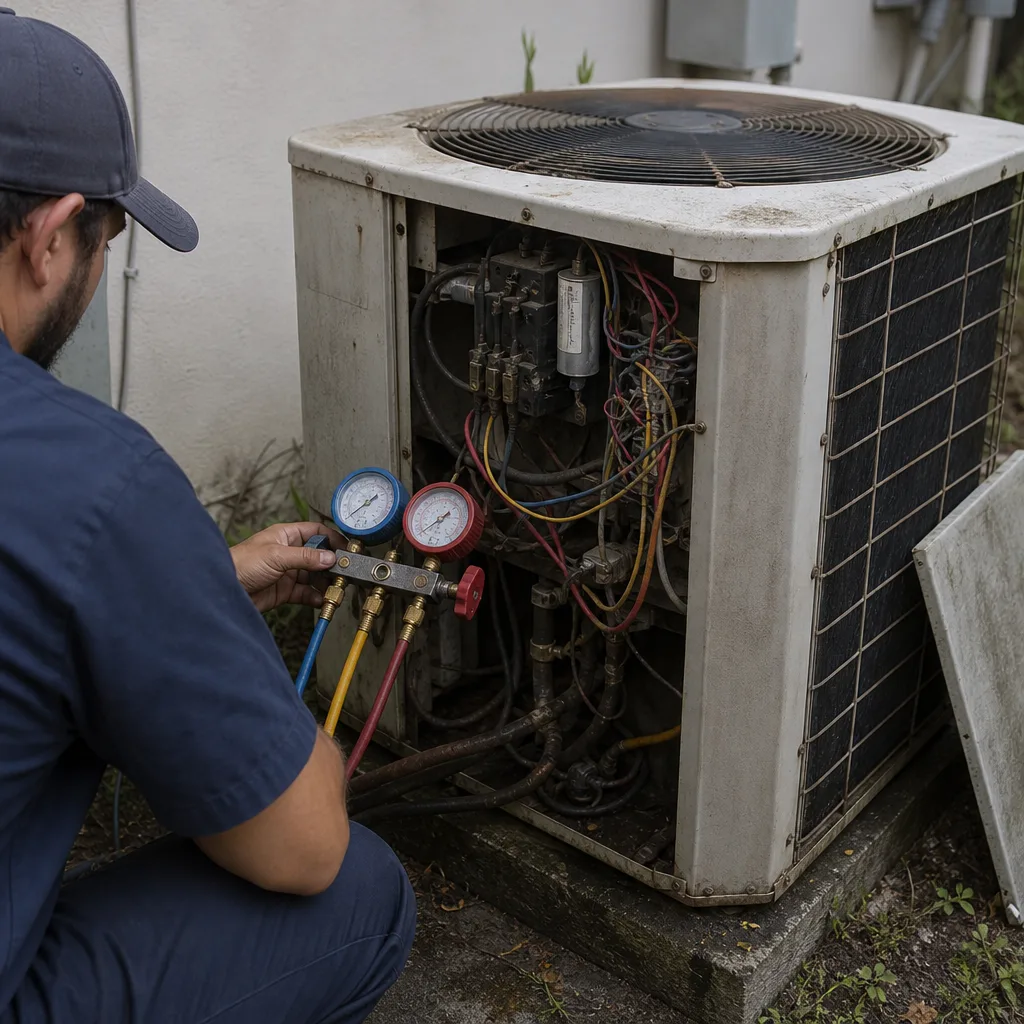 Before
 After
 Before
 After
 Before
 After
When to Call a Professional
Call a professional when the problem is beyond the DIY tier. Ice on the indoor coil or refrigerant lines, water that keeps backing up after a flush, a system that runs but doesn’t cool, a capacitor or contactor you suspect is failing, or any sign of corrosion or oil residue near fittings all warrant a technician’s eye. The same goes for a unit that trips the breaker or short-cycles on and off. These aren’t tasks to attempt yourself; capacitors hold a dangerous charge and refrigerant work requires certification and gauges. As Ashton AC Repair, we offer free estimates in Hollywood, and we diagnose first, then recommend based on what we find. Call (833) 854-7099. We answer 24/7. Fast dispatch from 7am to 7pm, Sunday through Friday.
Frequently Asked Questions
Check it monthly and replace it when light no longer passes through the pleats, which is often more frequently than the manufacturer’s listed interval in Hollywood’s humid, high-runtime conditions. Homes with pets or heavy dust usually need monthly changes. Call (833) 854-7099 if you’re unsure whether your filter is the right type for your system.
Warm, wet, dark PVC is an ideal environment for algae and biofilm, and a system that runs almost year-round produces constant condensate that feeds that growth. Flushing the line monthly with plain water and doing a quarterly vinegar flush slows it down. If it keeps backing up, a technician can clear the line and check the float switch.
A proper tune-up covers the filter and airflow, drain and float switch, coil condition, capacitor and contactor testing, refrigerant charge verification, electrical connections, and blower condition, plus a written report of what was found. The capacitor, charge, and contactor checks are the ones homeowners can’t do themselves, and they’re what catch failures before they happen. Call (833) 854-7099 for a free estimate.
You can rinse the outdoor condenser coil on low pressure from the inside out if it’s visibly dirty, but the indoor evaporator coil is best left to a technician. Rinsing the wrong way bends fins and can push debris deeper into the coil. If you see corrosion or oil residue, have it checked before it becomes a refrigerant leak.
Look for a chalky white residue on the fins, fins that crumble when pressed gently, dark spots on the copper tubing, or oil residue near fittings. Catching corrosion early usually means a cleaning or protective coating; catching it late can mean a coil replacement. A technician can assess it quickly.
That depends on the system’s age, the cost of the repair, and how the rest of the equipment is holding up. We diagnose first, then give you an honest assessment of repair versus replacement rather than defaulting to the bigger job. Call (833) 854-7099 for a free estimate, and we’ll walk you through the options in plain terms.
The Bottom Line
Hollywood’s climate doesn’t give your AC a rest, so your maintenance checklist shouldn’t either. The formula that works here is simple: monthly filter checks and drain flushes, quarterly coil and outdoor unit inspections with a close eye on corrosion, and an annual professional tune-up that covers the invisible electrical and refrigerant checks. The drain line is the highest-priority DIY task in South Florida because its failure mode is water damage, and the capacitor, charge, and contactor checks are the ones homeowners consistently omit. If you stay on top of the visible tier and hand the invisible tier to a technician, you’ll spend far less time sweating through a breakdown. Call (833) 854-7099 for a free estimate. We answer 24/7, with fast dispatch from 7am to 7pm, Sunday through Friday.
Written by the team at Ashton AC Repair.