
Last updated November 15, 2026
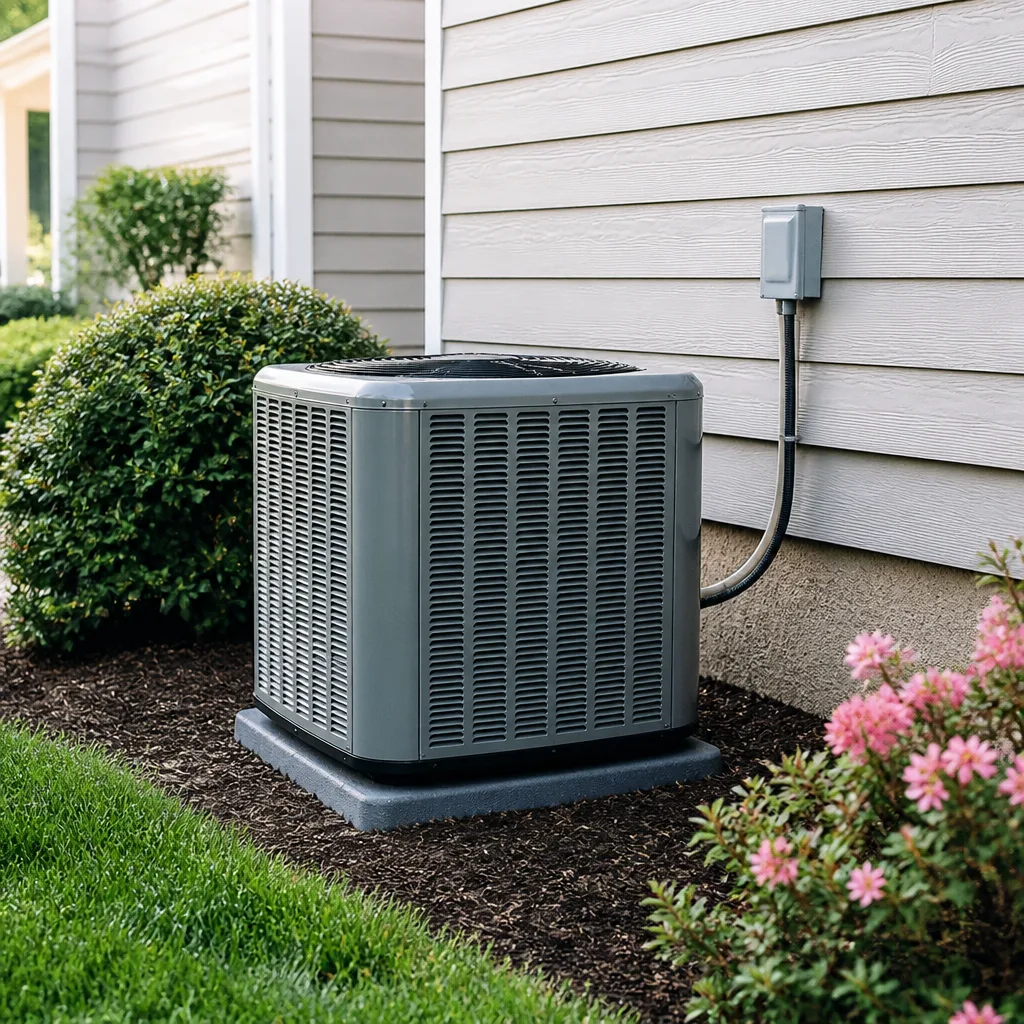 AC repair
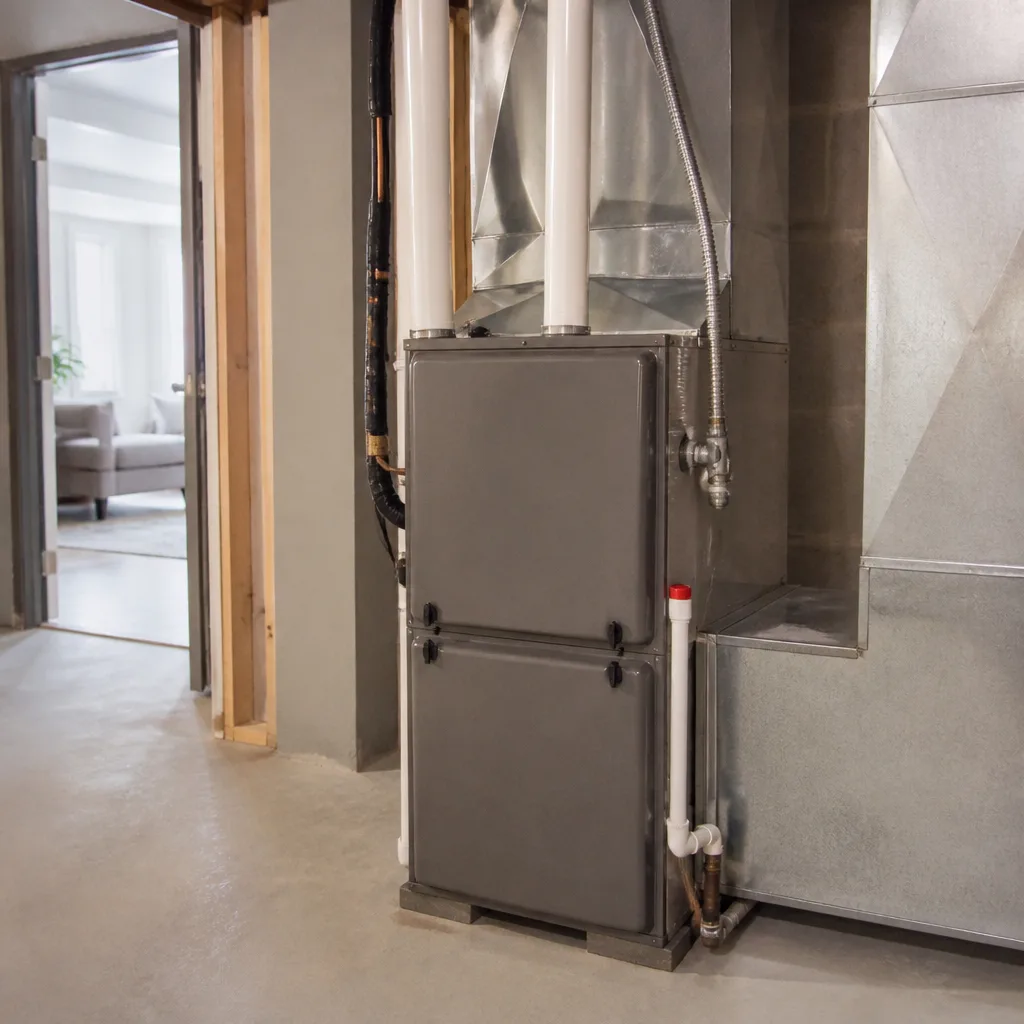 Furnace & heating
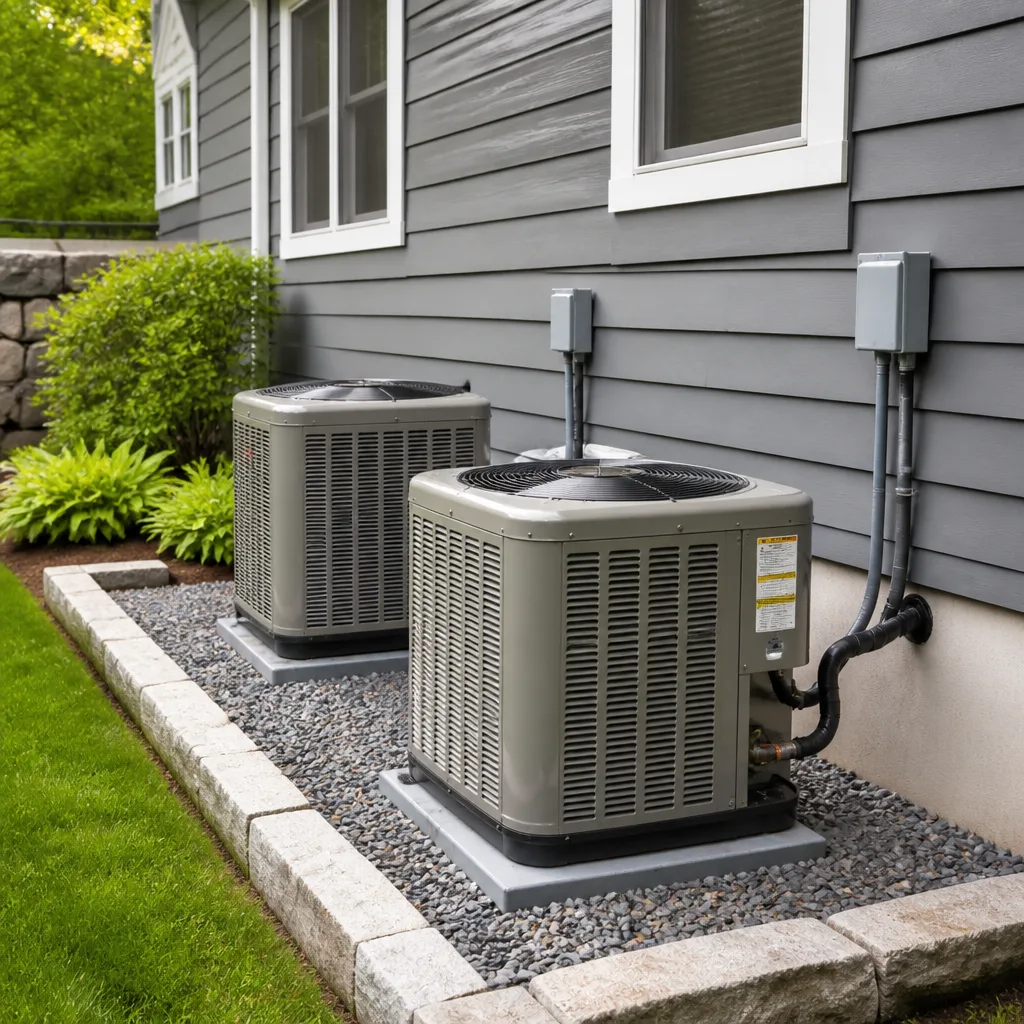 Heat pumps
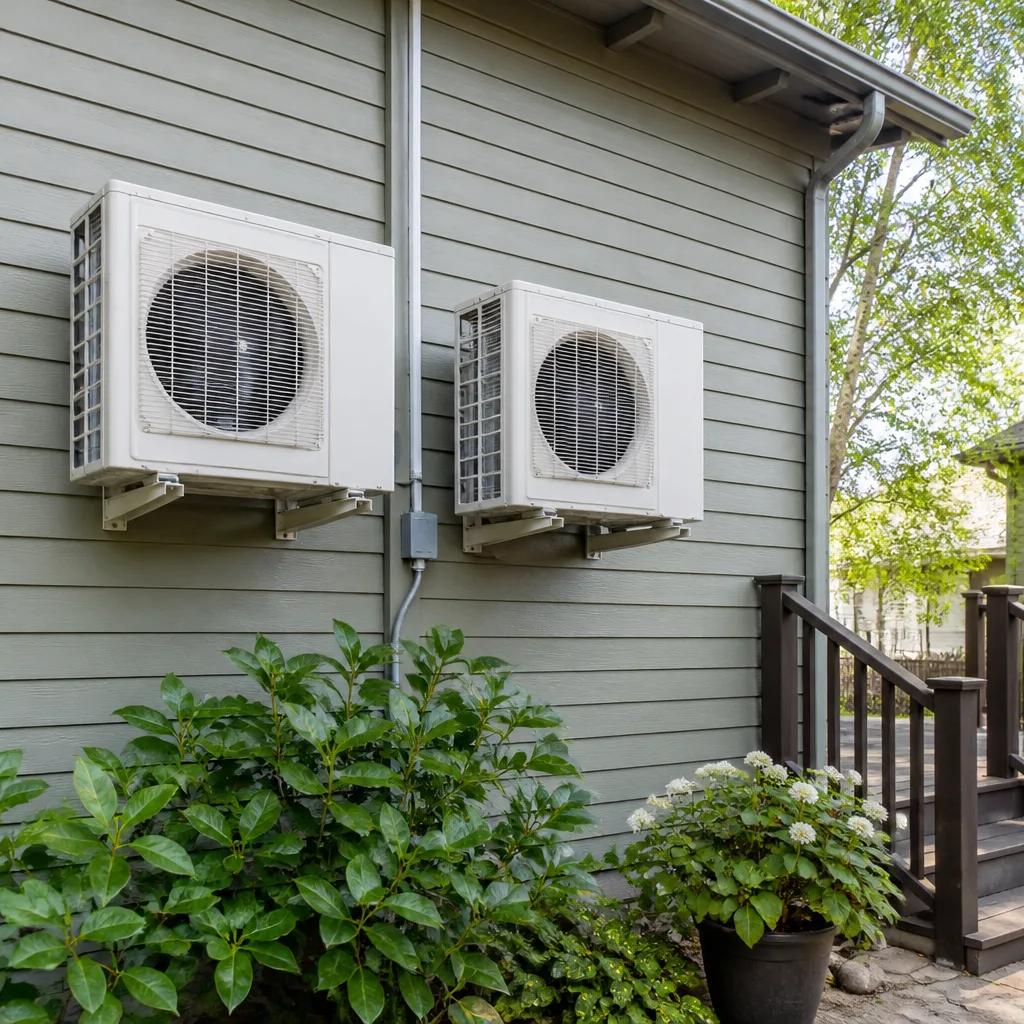 Ductless mini splits
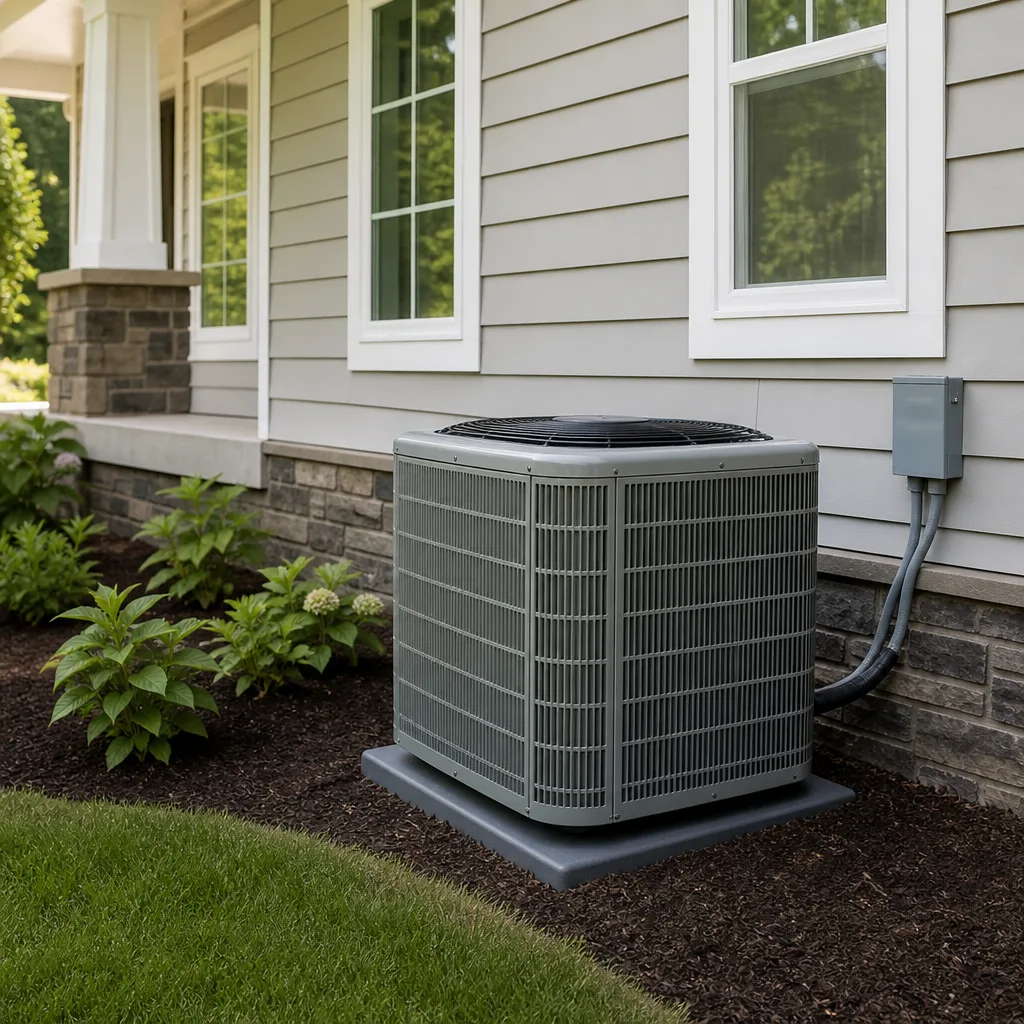 Carrier
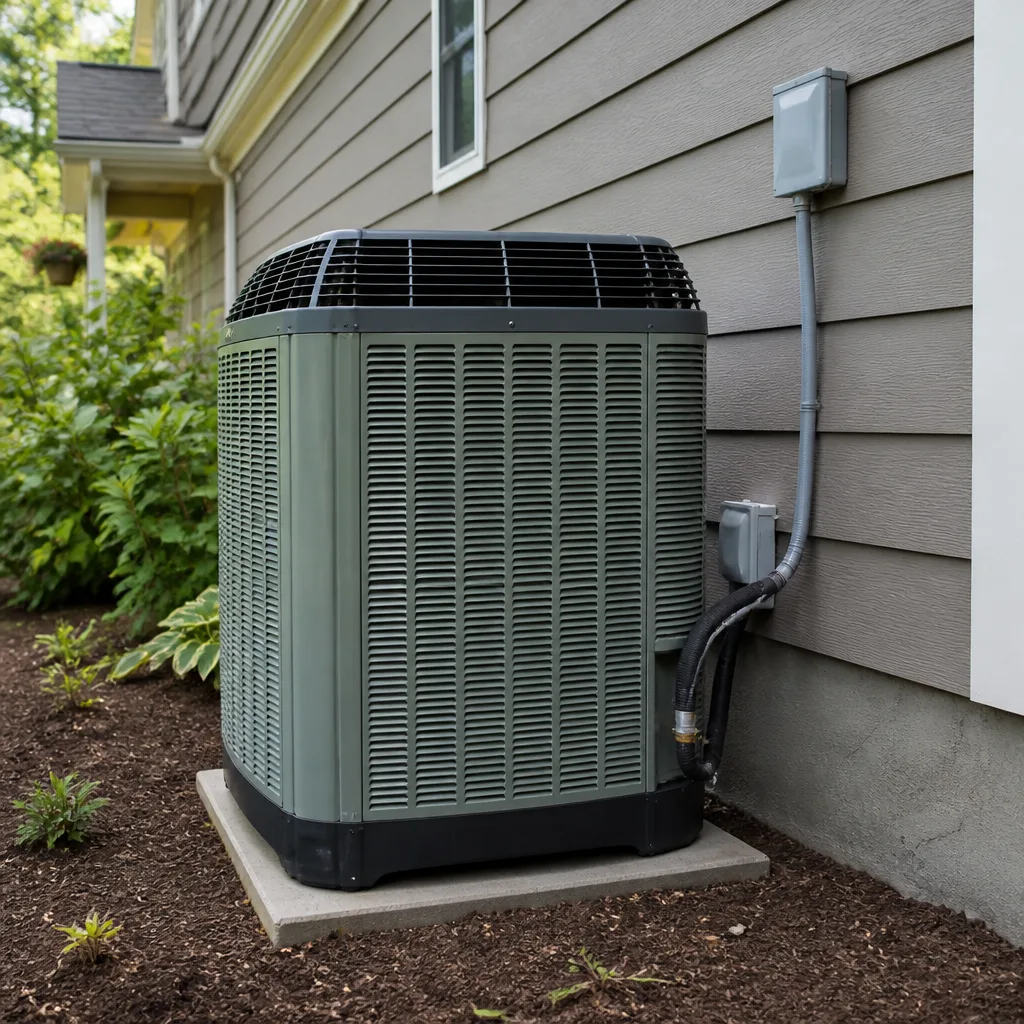 Trane
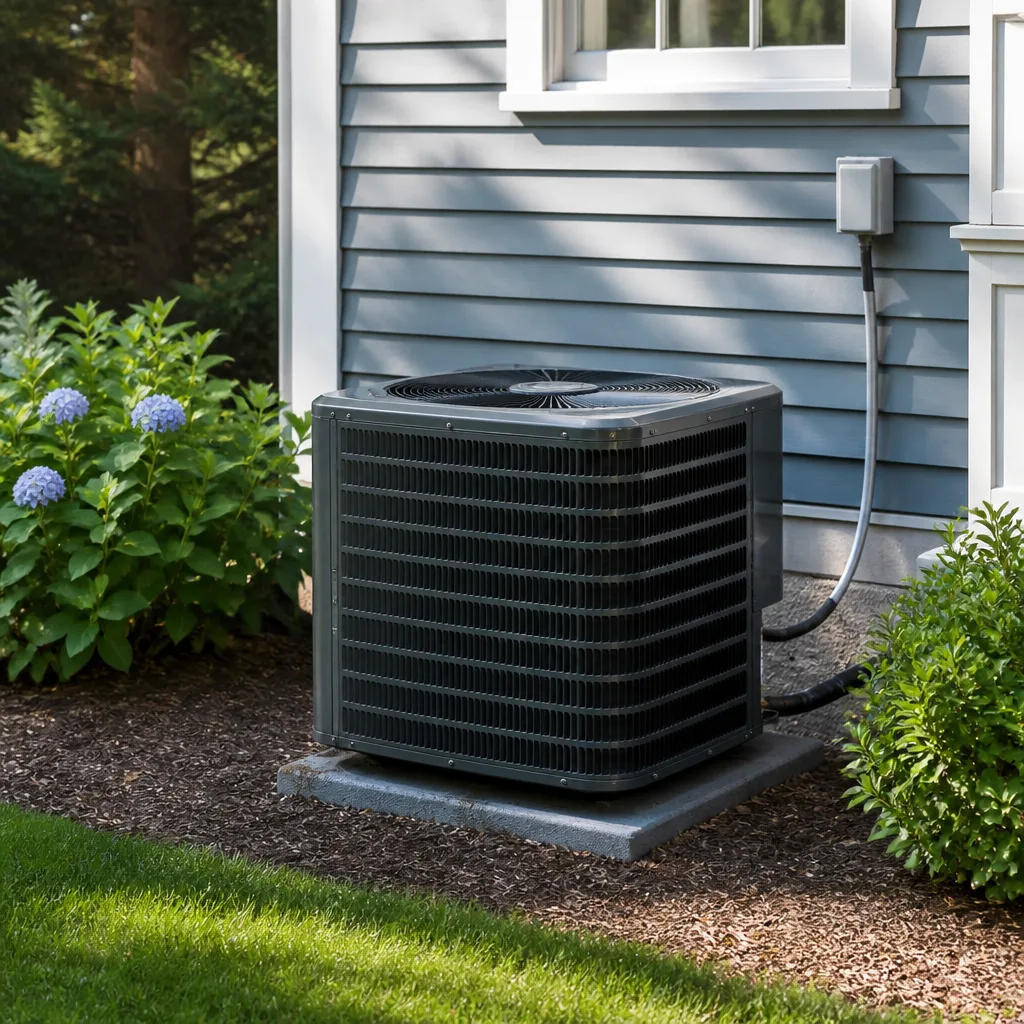 Goodman
Seasonal tune-up and full diagnostic on your Carrier, Trane, or Goodman system - readings shown to you before any repair is proposed
Diagnosis first, numbers second - you approve the repair price before a single part goes in.
Get your free estimateSeasonal HVAC Care for Hollywood: Year-Round Homeowner’s Guide
Most HVAC maintenance calendars are written for places that actually have four seasons. They tell you to schedule a spring tune-up before the cooling season and a fall check before the furnace kicks on, which works fine in Ohio or Virginia. Hollywood doesn’t run that way. Our year splits into a long wet season, a short dry stretch, and the threat of tropical systems that can stress an outdoor unit in ways a Midwest schedule never anticipates. Follow the Mid-Atlantic calendar here and you’ll spend money on the wrong tasks at the wrong time while the real risks go unaddressed. This guide maps HVAC care to the seasons Hollywood actually has, so you know what to check in May, what to watch through the wet months, and why the quiet winter window is the smartest time for the work that keeps your system alive through summer.
Quick Answer
Seasonal HVAC care in Hollywood should follow the local climate, not a national four-season template. That means a pre-hurricane checklist in May, humidity and mold monitoring through the June-to-October wet season, and coil cleaning, refrigerant verification, and capacitor inspection during the dry winter window from November through March. Add a post-storm inspection protocol for any tropical system that passes through, and test the heat mode at least once before a cold front, because equipment that sits idle for months can fail the first time you ask it to run.
Styles & brands we work with
- AC repair
- Furnace & heating
- Heat pumps
- Ductless mini splits
- Carrier
- Trane
- Goodman
Table of Contents
- Why Hollywood’s Climate Breaks the Standard Maintenance Calendar
- The May Pre-Hurricane Checklist
- Managing the Wet Season: June Through October
- The Dry Season Window: Coil Cleaning and Component Checks
- The Heat Mode Problem: Idle Equipment and Cold Fronts
- Post-Storm Inspection: What to Check Before You Turn It Back On
- Why Brand Familiarity Shortens the Diagnostic Process
- Common Mistakes to Avoid
Why Hollywood’s Climate Breaks the Standard Maintenance Calendar
Hollywood’s cooling load runs almost the entire year. There’s no long stretch where the system sits dormant and gets a rest, which means wear accumulates continuously rather than seasonally. A system in a colder climate might run hard for four months and coast for eight. Here, it runs hard for most of twelve. That changes the math on component life, filter changes, and when you schedule the deep maintenance tasks that keep efficiency from sliding.
The other thing that breaks the standard calendar is humidity. Our wet season doesn’t just make the air feel heavy. It puts sustained moisture stress on the indoor air handler, the drain line, and any surface where condensation collects. A maintenance schedule written for a dry climate treats humidity as an occasional nuisance. Here it’s the primary driver of mold growth inside air handlers and the main reason drain lines clog.
Then there’s hurricane season. From June through November, any tropical system that tracks toward South Florida can turn an outdoor condenser into a projectile or flood a drainage path that was already half-blocked. That’s a category of risk the national maintenance templates simply don’t address, and it’s why the May checklist below leads the year.
What this means practically: your HVAC care year in Hollywood should be organized around storms, humidity, and idle-mode failures, not around temperature swings. The tasks are the same ones any system needs. The timing and the emphasis are what change. A homeowner in the hills west of town and a homeowner near the Intracoastal both face the same wet season, the same dust, and the same cold-front surprises. If you’re new to the area or just new to homeownership, our Hollywood service page is a good starting point for how we handle local calls.
The May Pre-Hurricane Checklist
May is the month to get your outdoor equipment ready before the first named storm forms. The work takes an afternoon and prevents the kind of damage that turns a minor repair into a full replacement. Here’s what to do:
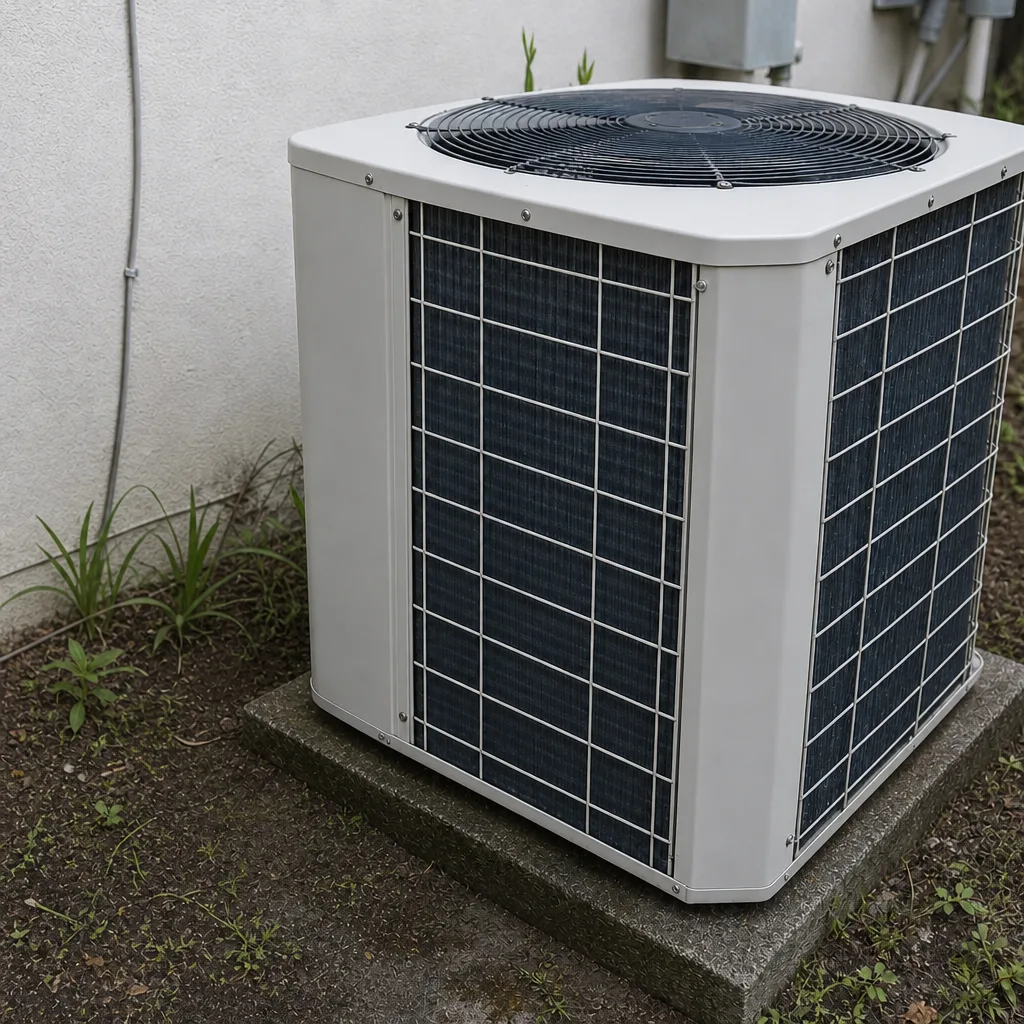
- Secure the condenser unit. Check the mounting pad and the straps or brackets holding the outdoor unit in place. Loose units become airborne in high wind. If the pad is cracked or the unit rocks when you push it, that’s a professional fix, not a DIY shim job.
- Clear the drainage path. Walk the perimeter and confirm that water can flow away from the outdoor unit and away from the house. Debris, mulch, and overgrown landscaping trap water against the foundation and the equipment. Clear it now, before the rain arrives.
- Inspect surge protection. A storm that knocks out power can send a surge through the system when it comes back on. Confirm what protection you have at the panel and at the disconnect. If you’re unsure whether your setup is protected, that’s a question worth asking a technician before storm season.
- Trim overhanging branches. Limbs that hang over the condenser or the roofline become projectiles in wind. Cut them back well before June.
- Photograph the setup. Take clear photos of the outdoor unit, the disconnect, and the surrounding area. If a storm does damage, you’ll have a record of how it looked before, which makes any insurance conversation simpler.
- Schedule a pre-season check. A technician can confirm the electrical connections are tight, the refrigerant lines are secure, and nothing is loose enough to fail under wind load.
None of this is glamorous. It’s the kind of work that goes unnoticed until the year a storm actually hits and the homeowner next door is replacing a condenser that got tossed across the yard while yours stayed put.
Managing the Wet Season: June Through October
The wet season is when humidity does its quiet damage. The specific risk is mold growth inside the air handler, on the evaporator coil, and in the drain pan. A system that runs constantly in high humidity stays wet on the indoor side, and any surface that stays wet grows things. The good news is that this is manageable with a few habits.
Target indoor relative humidity between 40% and 60%. Below 40% feels dry and can irritate sinuses. Above 60% is where mold and dust mites get comfortable. A simple hygrometer, the kind you can pick up at any hardware store, tells you where you stand. If your system can’t hold the indoor humidity under 60% during the wet months, that’s a sign something’s off: a fan running too fast, a coil that’s dirty, or a drain line that’s partially clogged.
Here’s what to watch through the wet season:
- The drain line. Condensate drains clog with algae and debris, and a clogged line backs water into the pan or the ceiling. Pour a cup of white vinegar down the access port monthly to keep it clear, or ask a technician to flush it during a service call.
- The air handler cabinet. Look for standing water, dark staining, or a musty smell when you’re near the indoor unit. Any of those means moisture is sitting where it shouldn’t.
- Filters. Wet-season dust and pollen load filters faster. Check monthly and change when they’re visibly dirty, not on a rigid 90-day schedule.
- Insulation on the suction line. The insulated line that carries cold refrigerant should be intact and dry. If the insulation is missing or soaked, the line sweats and drips, feeding moisture into the cabinet.
If you notice a musty smell coming from the vents during the wet season, that’s worth a professional look before it spreads. Surface mold on a coil or in a drain pan is far easier to address early than after it’s colonized the ductwork and the cabinet interior.
The Dry Season Window: Coil Cleaning and Component Checks
November through March is the quietest stretch for cooling demand in Hollywood. The system still runs, but it runs less, and that brief break is the right time for the maintenance that’s awkward to schedule in the middle of summer. These are the tasks that improve efficiency and prevent mid-summer failures:
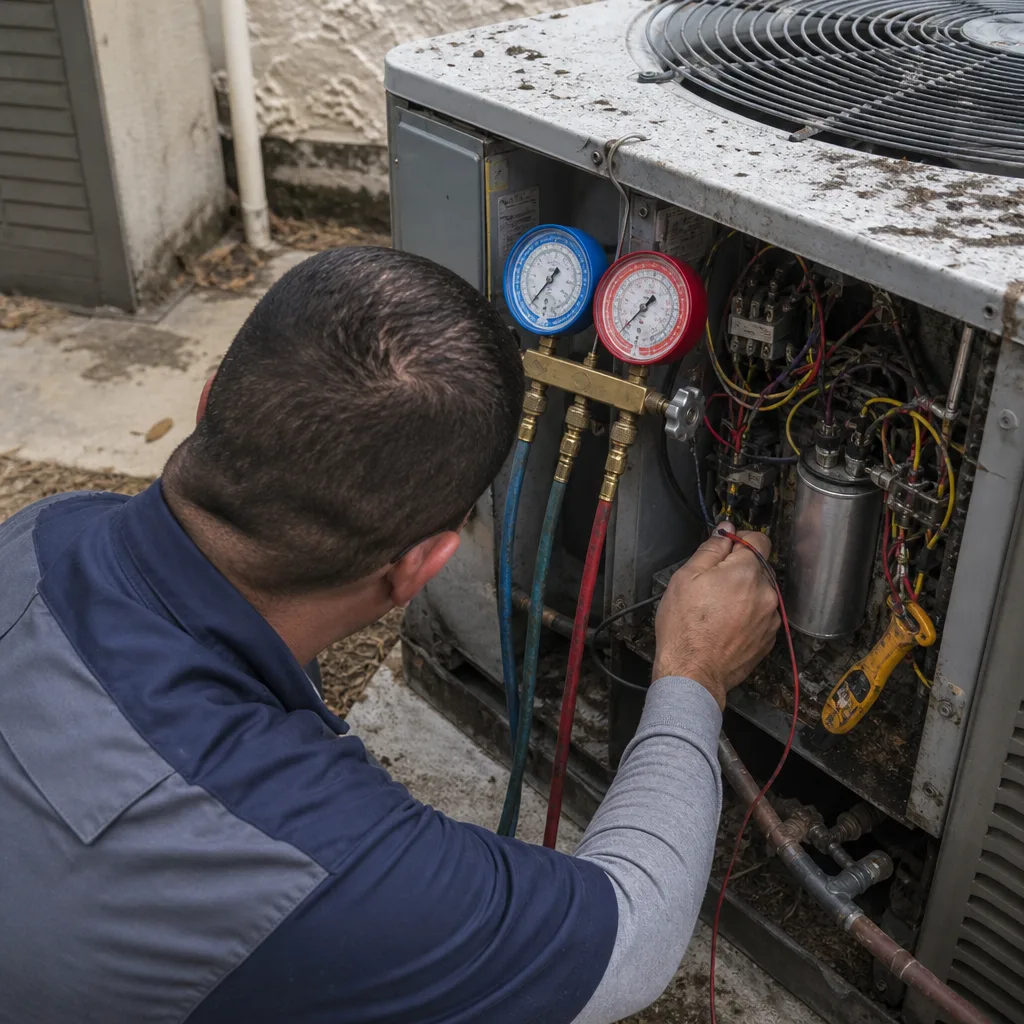
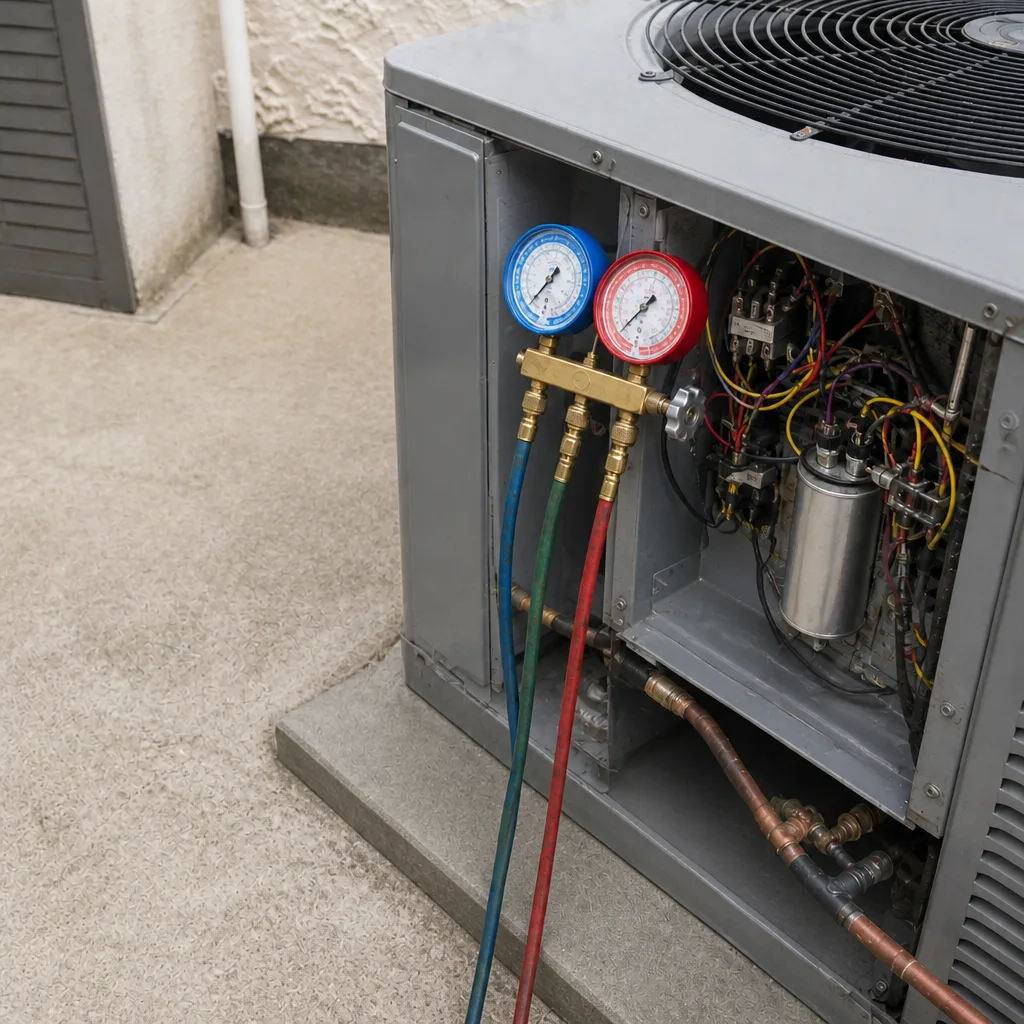
- Coil cleaning. The evaporator coil and the outdoor condenser coil both collect dust and biological growth over a year. A clean coil moves heat more efficiently and takes load off the compressor. This is the single highest-value maintenance task, and it’s best done when the system isn’t needed at full capacity.
- Refrigerant charge verification. The charge should be checked against the manufacturer’s specification, not just “topped off.” A system that’s low on refrigerant has a leak, and adding refrigerant without finding the leak only postpones the problem. A proper check includes confirming the charge is correct and looking for evidence of where it went.
- Capacitor inspection and replacement. Capacitors are the most common electrical failure in a residential HVAC system. They degrade slowly, and a weak capacitor makes the compressor and fan motor work harder until one day they just don’t start. Testing capacitors during the dry season catches weak ones before they strand you in July.
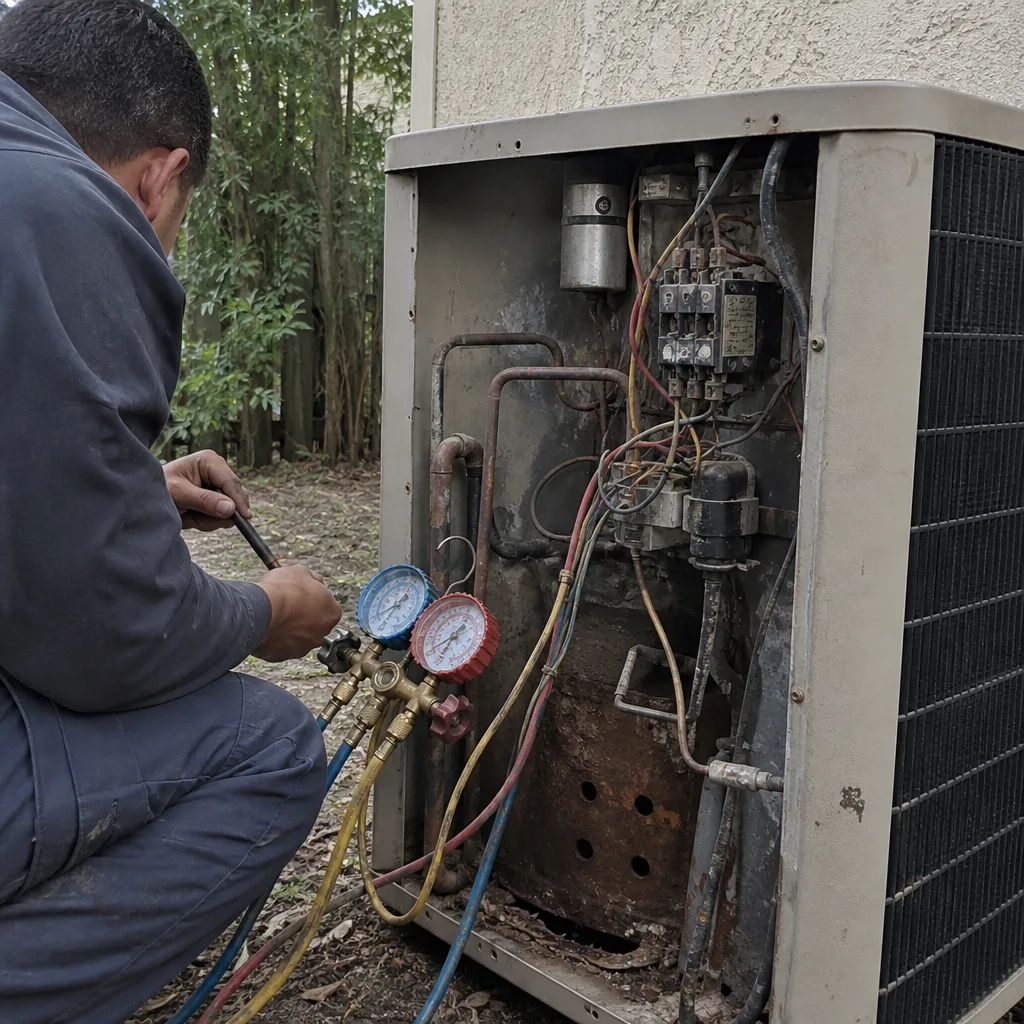
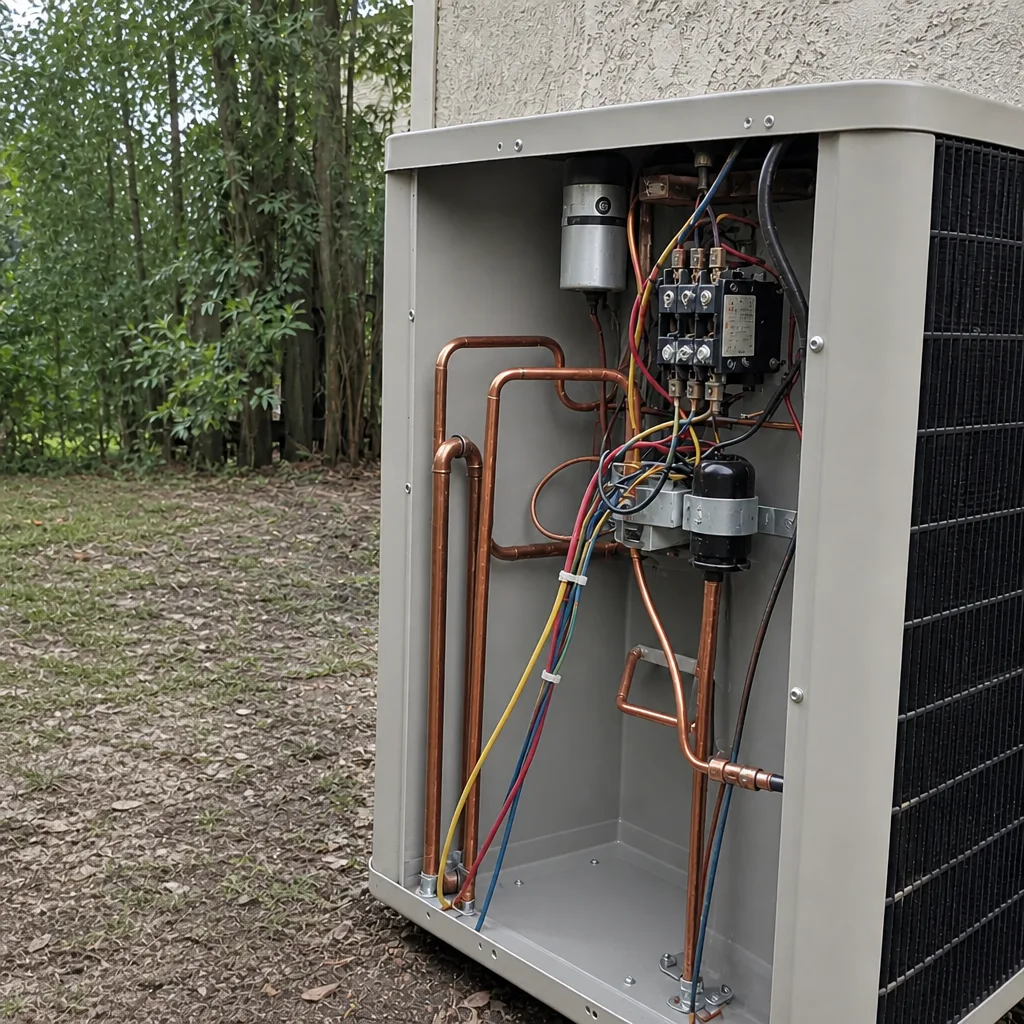
- Contactor and connection check. The contactor and the wire terminals inside the outdoor unit take a beating from heat and cycling. Tightening connections and inspecting for pitting now prevents an intermittent no-cool call later.
- Blower motor and belt inspection. On systems with a belt-driven blower, the belt and bearings get a look. On direct-drive systems, the motor gets checked for bearing noise and amp draw.
The dry season isn’t literally dry in every sense, but the reduced run time and lower humidity give you a window where taking the system offline for a few hours doesn’t cost you comfort. That’s the practical reason this work belongs here rather than in the middle of August.
The Heat Mode Problem: Idle Equipment and Cold Fronts
Here’s a failure mode that catches Hollywood homeowners off guard every year: the system that works perfectly all summer fails the first cold night of January. The reason is simple. Heat mode uses components that sit completely idle for nine or ten months. Valves seize, sequencers stick, and ignition systems that haven’t been asked to fire in months don’t fire when you finally call on them.
On a heat pump, the reversing valve is the usual suspect. It’s the component that switches the system between cooling and heating, and when it sits in one position for months, the internal slide can stick. The system runs, but it runs in the wrong mode, or it makes a grinding or hissing noise and won’t switch. On a gas furnace, the pilot or igniter, the flame sensor, and the inducer motor are all idle for most of the year. Dust settles on the flame sensor, the igniter gets weak, and the first cold snap brings a no-heat call.
The fix is prevention, and it takes five minutes:
- Pick a day in November, before the first real cold front.
- Switch the thermostat to heat and set it a few degrees above room temperature.
- Listen for the system to start. You should hear the indoor blower come on and, on a heat pump, the outdoor unit run. On a furnace, you should hear the inducer and then the burner light.
- Let it run for ten to fifteen minutes and confirm warm air is coming from the vents.
- Switch it back to cool or auto and leave it.
If the system doesn’t produce warm air, makes an unusual noise, or trips the breaker, turn it off and call a technician. On a heat pump, a stuck reversing valve is a repair, not a DIY fix, and running the system in a stuck mode can damage the compressor. That’s the kind of call that’s much cheaper in November than it is on a cold January night when the whole neighborhood is calling at once. Our AC repair team handles no-heat calls and stuck reversing valves, and the diagnostic is the same whether the system is a York, a Bryant, or anything else we work on.
Post-Storm Inspection: What to Check Before You Turn It Back On
After a tropical system passes through, resist the urge to flip the breaker and see if the AC still works. A unit that took on water, shifted on its pad, or pulled in debris can be damaged by being started before it’s inspected. Here’s the protocol:
- Look at the outdoor unit from a safe distance first. Is it still upright and on its pad? Has it shifted? Are there branches, roofing material, or standing water around it? If the unit is tilted or partially submerged, don’t touch it. Call a professional.
- Check the electrical disconnect. The disconnect box near the unit should be dry and intact. If it’s full of water or the conduit is damaged, leave it alone and call.
- Clear debris from the coil and fan. Leaves, twigs, and shingles packed into the condenser fins block airflow and can stall the fan. Clear what you can reach safely, without bending the fins or reaching into the fan opening.
- Check the indoor air handler. If water came in through the roof or the attic, the air handler may have gotten wet. Any standing water in the cabinet or the drain pan is a reason to call before running the system.
- Restore power only if everything looks intact. If the breaker trips when you turn it back on, stop. A tripped breaker after a storm usually means water intrusion or a short, and resetting it repeatedly makes things worse.
- Watch the first cycle. When the system does run, listen for unusual noise and check that it’s cooling and draining properly. A unit that runs but doesn’t cool has likely lost refrigerant or suffered compressor damage.
Hail is uncommon here, so most storm damage to HVAC equipment comes from wind, flying debris, and water rather than impact. That’s worth knowing because it shapes what you’re looking for: movement and moisture more than dents.
Why Brand Familiarity Shortens the Diagnostic Process
HVAC systems from different manufacturers use different control boards, different fault codes, and different component layouts. A technician who’s only worked on one or two brands spends the first half of a diagnostic call reading the manual. A technician familiar with a range of systems recognizes the fault code, knows where the component sits, and goes straight to the likely cause.
We work on nine of the most widely installed brands in North America, including Carrier, Trane, Lennox, Goodman, Rheem, York, Daikin, Bryant, and American Standard. When a York system throws a particular code, or a Daikin unit behaves a certain way in heat mode, we know what that usually means and where to look. That familiarity doesn’t replace a proper diagnostic, but it does shorten it, and it reduces the chance of replacing a part that wasn’t the problem. Our technicians have up to 15 years of experience across those platforms, which matters most on the systems that are less common in a given neighborhood.
The other benefit is parts access. Knowing the exact model and the common failure points means the correct part gets ordered the first time, rather than a general-purpose substitute going in and failing again. If you’re weighing repair against replacement, that same familiarity feeds an honest assessment: AC installation is a real option when a system is genuinely at the end of its life, but it’s not the answer for every failed capacitor or stuck valve. We’ll tell you which one you’re looking at and why.
Common Mistakes to Avoid
- Following a national maintenance schedule. Spring and fall tune-ups make sense in a four-season climate. In Hollywood, the highest-value tasks are pre-storm checks in May and dry-season coil cleaning in winter. Following the generic calendar means doing the wrong work at the wrong time.
- Leaving the heat off all year. A reversing valve or a furnace igniter that sits idle for ten months can fail the first time you need it. Run the heat for fifteen minutes in November, before the first cold front, and you’ll know whether it works.
- Ignoring indoor humidity. If your indoor humidity stays above 60% through the wet season, that’s not normal, and it’s the condition that grows mold in the air handler. A hygrometer costs very little and tells you whether to act.
- Skipping the drain line flush. Condensate drains clog quietly, and the first sign is often water in the ceiling or a pan overflowing. A monthly vinegar flush prevents most of it.
- Turning the system back on after a storm without looking. A unit that shifted, took on water, or pulled in debris can be damaged by being started. Inspect first, and call if anything looks wrong.
- Adding refrigerant without finding the leak. If a system is low, there’s a leak. Topping it off without locating the leak just delays the day it fails again, usually during the hottest week of the year.
- Replacing a system that only needed a repair. A failed capacitor, contactor, or stuck reversing valve is a repair. Getting a diagnosis from someone who knows the brand you own helps you avoid paying for a new system you didn’t need.
See the difference
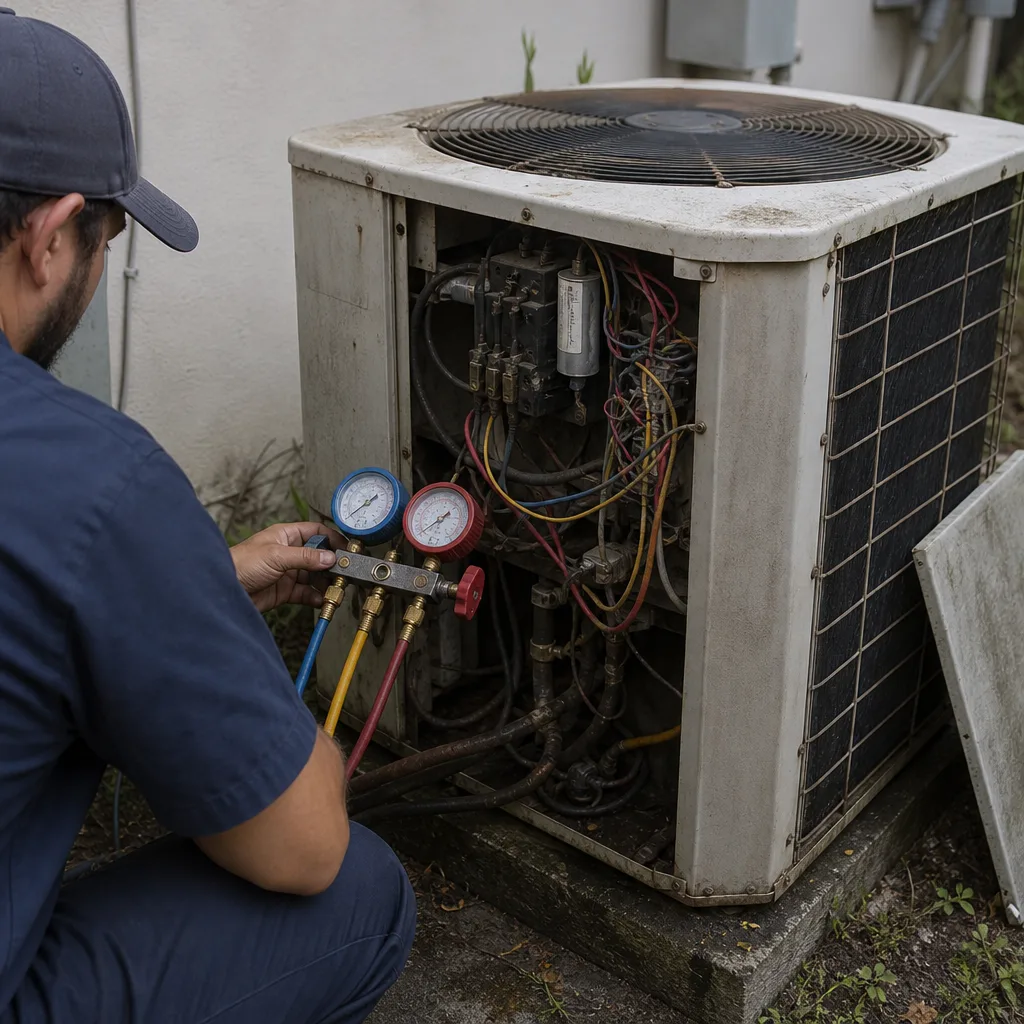 Before
 After
 Before
 After
 Before
 After
When to Call a Professional
Some tasks are homeowner work: changing filters, flushing the drain line, clearing debris from around the outdoor unit, and running the heat in November. Others are not. Call a professional if the outdoor unit shifts on its pad or takes on water, if the breaker trips after a storm, if the heat doesn’t produce warm air or the reversing valve won’t switch, if you smell something musty from the vents that doesn’t go away, or if the system is running but not cooling. Refrigerant work and electrical diagnostics are not DIY territory, and a system with a suspected refrigerant leak needs a trained technician to find and repair it properly. As Ashton AC Repair, we handle AC repair, AC installation, and furnace repair across nine major brands, and the estimate is free. Call (833) 854-7099 to schedule a visit in Hollywood.
Frequently Asked Questions
Once a year is the minimum, and the best time is the dry season from November through March, when the system isn’t running at full load. A second pre-season check in May, focused on storm readiness and electrical connections, is worth it for homeowners who want the outdoor unit inspected before hurricane season. Two visits a year fits Hollywood’s climate better than the standard spring-and-fall schedule. Call (833) 854-7099 for an exact quote on a seasonal service visit.
Target 40% to 60% relative humidity indoors. Above 60% is where mold and dust mites thrive, and it’s the number worth watching from June through October. If your system can’t hold the indoor humidity under 60% during the wet months, something is off, whether it’s a dirty coil, a fan running too fast, or a clogged drain line. A technician can find the cause, and estimates are free.
You can use it, but test it in November before the first cold front, not on the night you actually need it. Run it for fifteen minutes and confirm it produces warm air without unusual noise. A reversing valve that’s been idle for ten months can stick, and finding out in November is far better than finding out in January. Call (833) 854-7099 if it doesn’t run right.
Secure the unit to its pad, clear the drainage path around it, trim overhanging branches, confirm your surge protection, and photograph the setup. After the storm passes, inspect the unit before turning it back on: check that it’s upright, the disconnect is dry, and the coil and fan are clear of debris. If anything looks wrong, call a professional rather than flipping the breaker. Call (833) 854-7099 to book a pre-season check.
A musty smell usually means mold or biological growth inside the air handler, on the evaporator coil, or in the drain pan. It’s common in Hollywood because the wet season keeps those surfaces damp for months. Surface growth is much easier to address early, before it spreads into the ductwork. A technician can find the source, and the estimate is free.
Repair is usually the right call when the failure is a component like a capacitor, contactor, or stuck reversing valve. Replacement makes sense when the compressor is failing, the system is low on refrigerant with a leak that can’t be reasonably repaired, or repair costs approach a meaningful fraction of a new system. The honest answer depends on a proper diagnosis of the brand and model you own, which is what we do before recommending anything. Call (833) 854-7099 for a free estimate.
The Bottom Line
Hollywood’s HVAC year runs on storms, humidity, and idle-mode failures, not on the four-season calendar the national maintenance guides describe. Get the outdoor unit ready in May, watch indoor humidity and the drain line through the wet season, use the quiet winter window for coil cleaning and capacitor checks, test the heat in November, and inspect before restarting after any tropical system. Those five habits prevent most of the failures that turn into emergency calls. If you’d rather have a technician handle the seasonal checks, Ashton AC Repair works on nine major brands and gives you a straight diagnosis before any recommendation. Call (833) 854-7099 for a free estimate.
Written by the team at Ashton AC Repair.