
Last updated November 15, 2026
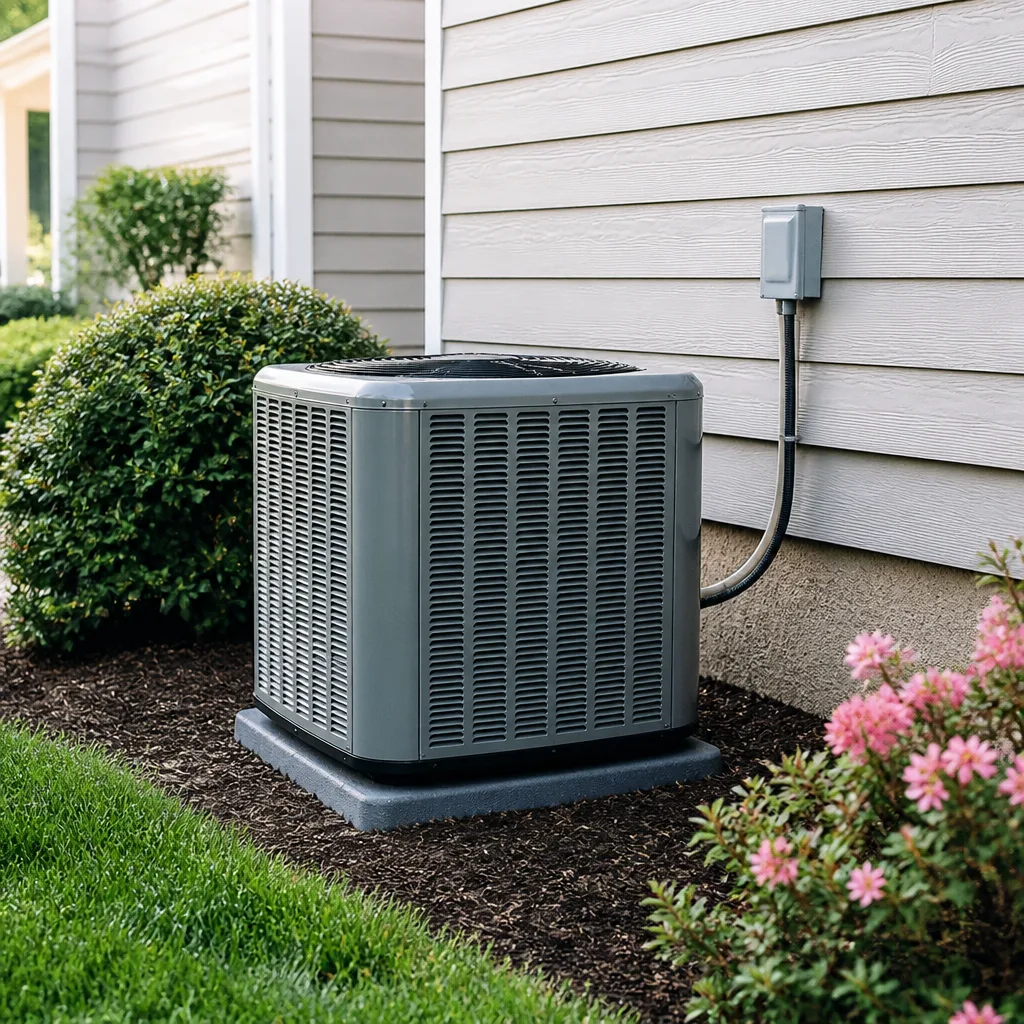 AC repair
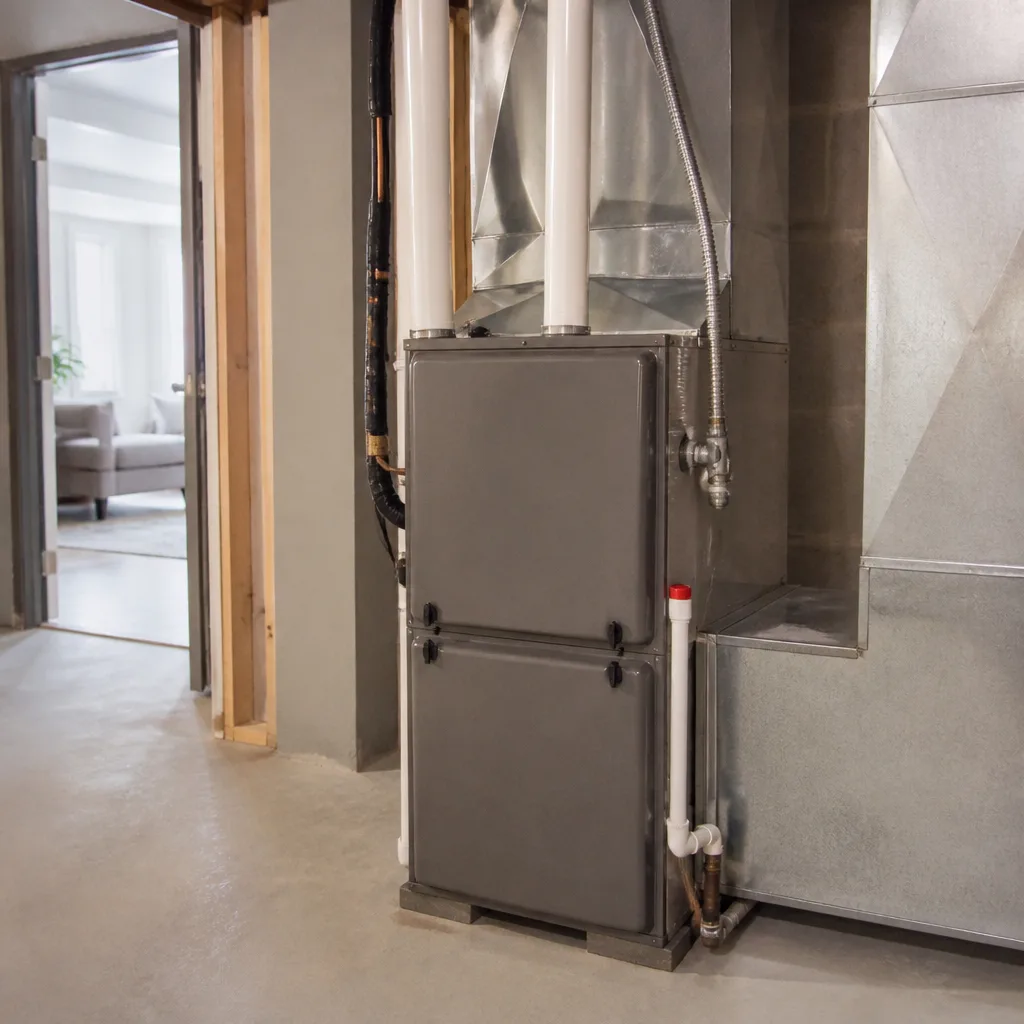 Furnace & heating
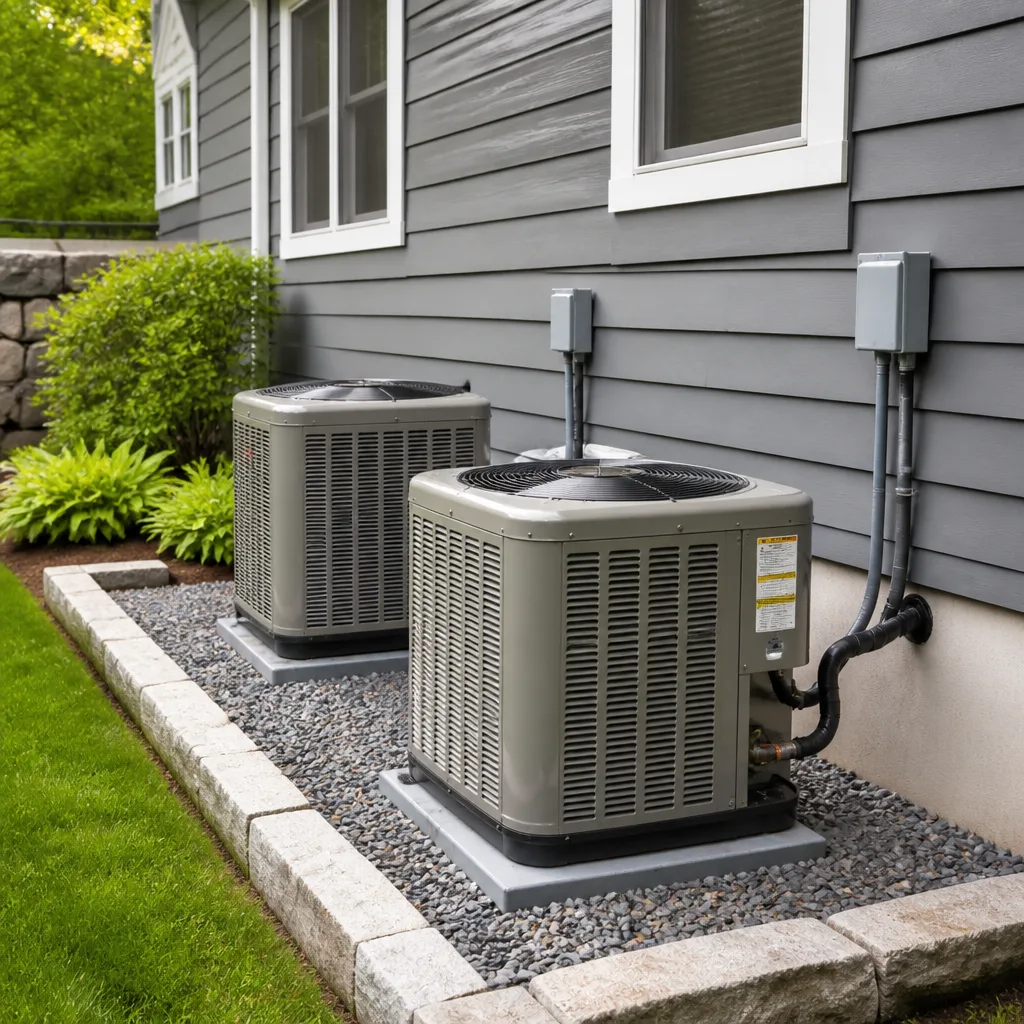 Heat pumps
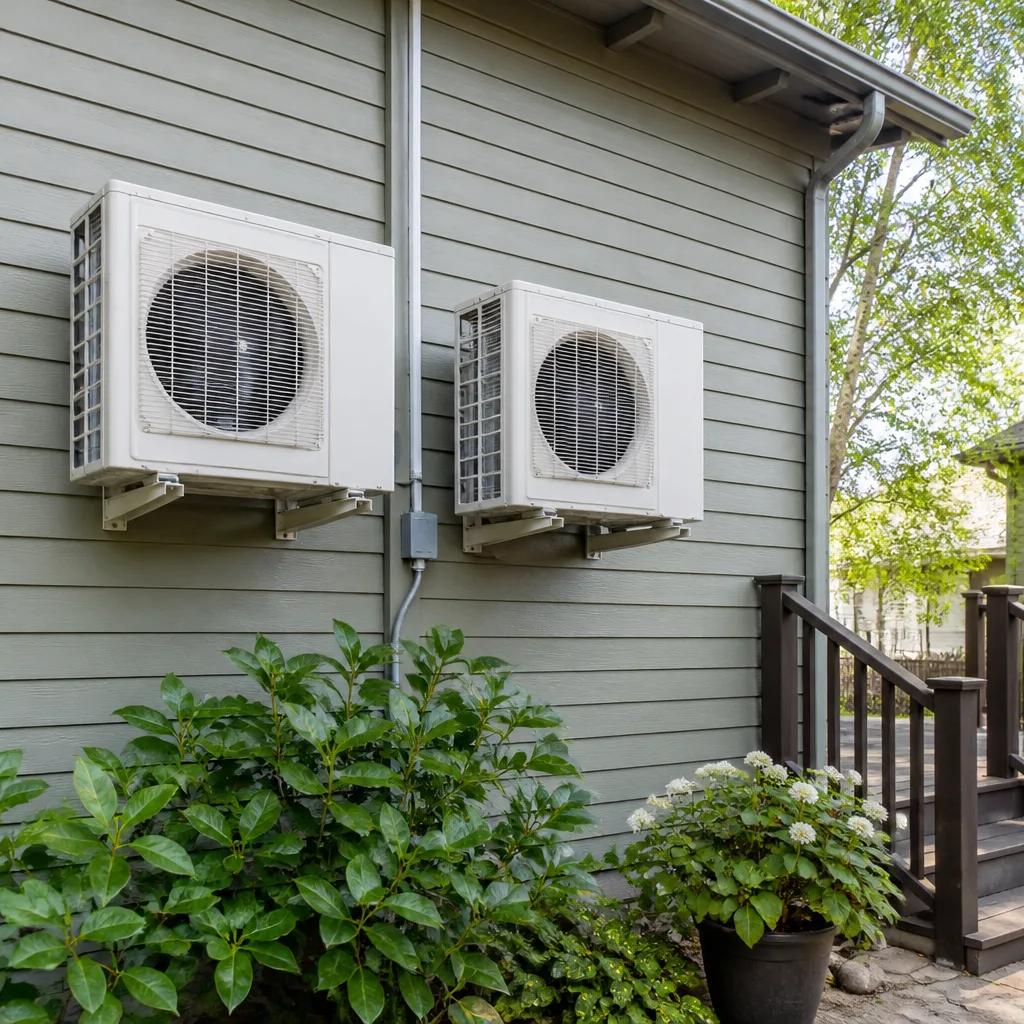 Ductless mini splits
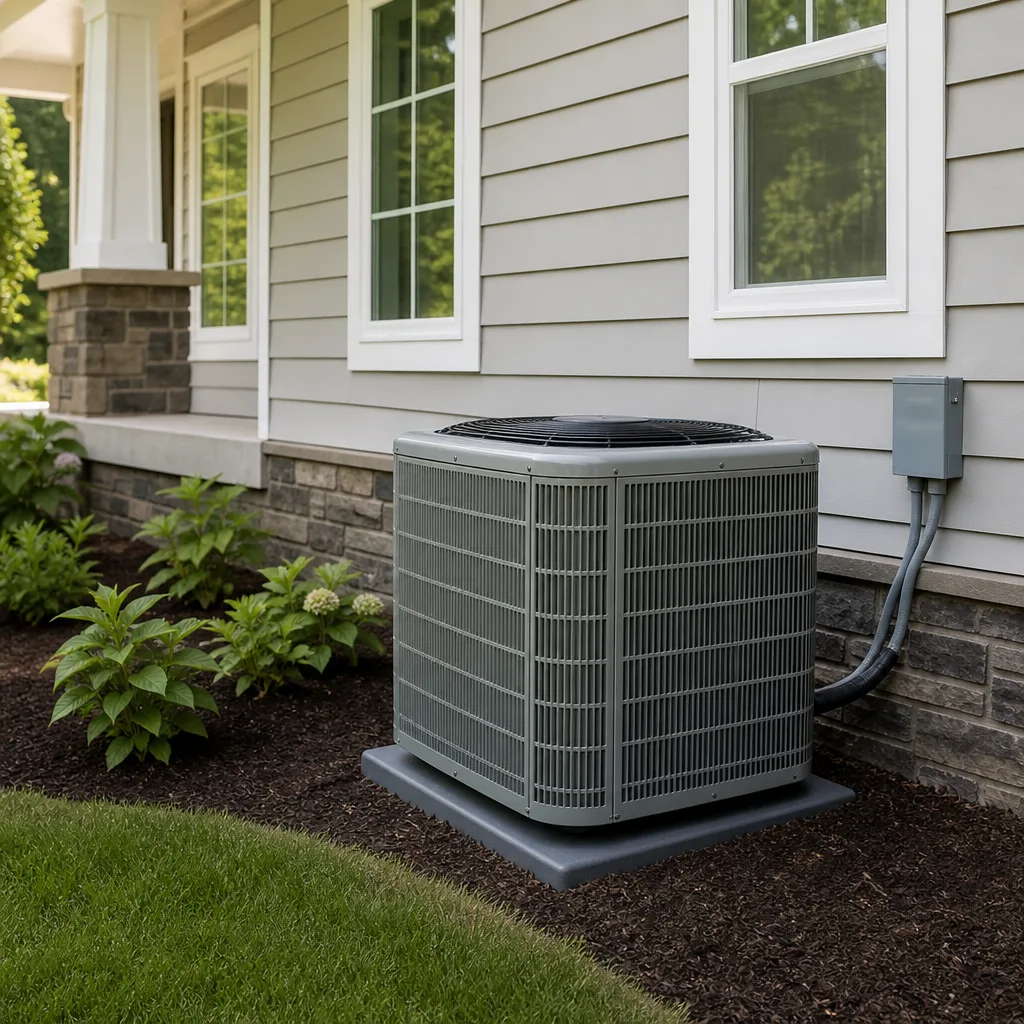 Carrier
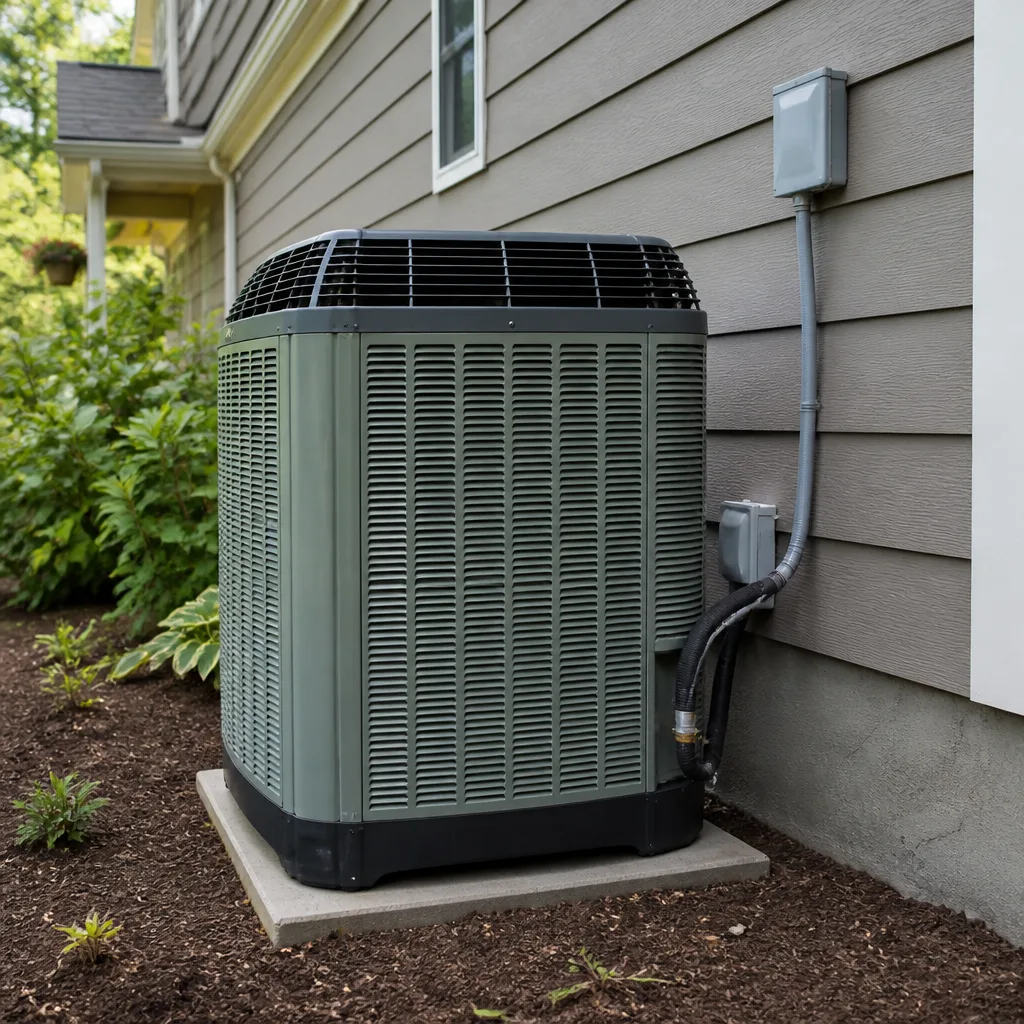 Trane
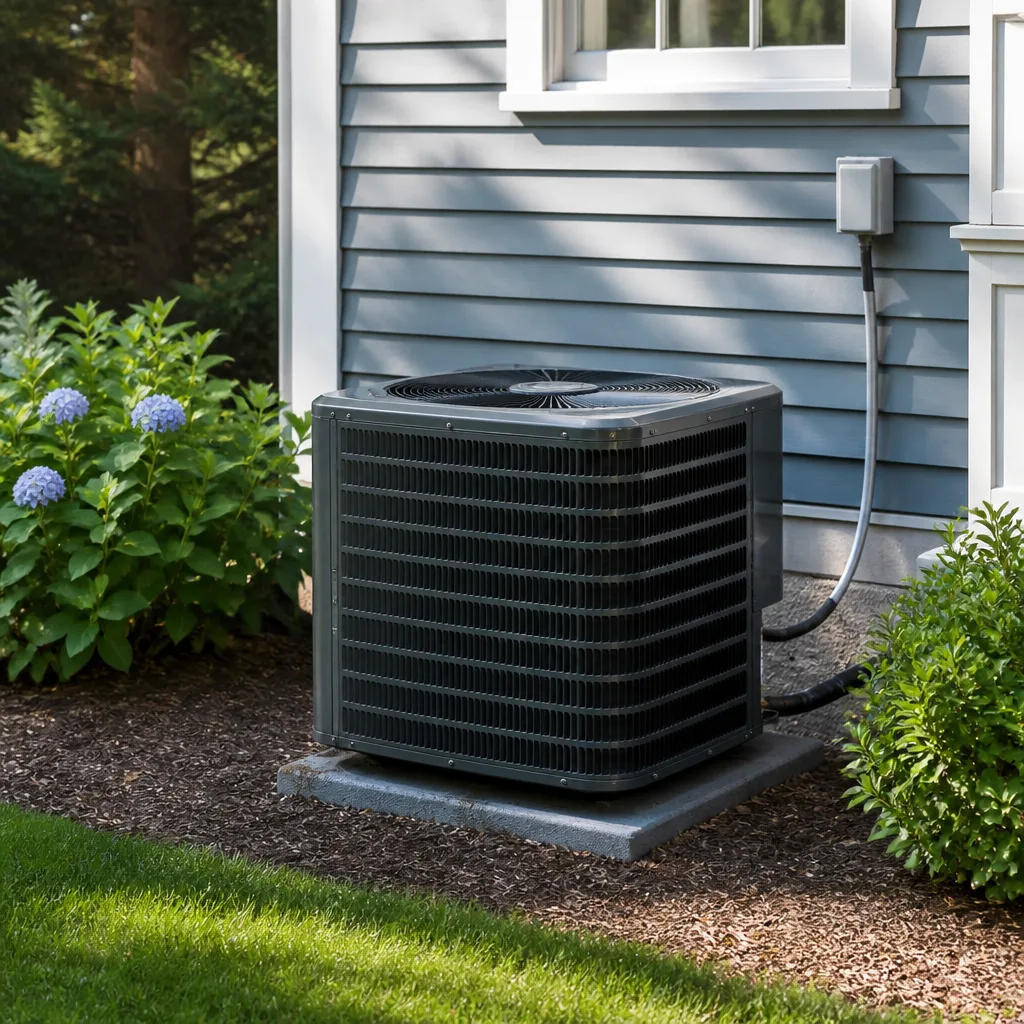 Goodman
Seasonal tune-up and full diagnostic on your Carrier, Trane, or Goodman system - readings shown to you before any repair is proposed
Diagnosis first, numbers second - you approve the repair price before a single part goes in.
Get your free estimateHVAC Warning Signs: A Hollywood Homeowner’s Reference Guide
High indoor humidity isn’t a Florida fact of life. It’s a symptom. When a properly sized, working system in Hollywood can’t hold indoor relative humidity below 55%, something has already failed, and most homeowners won’t find out what until it shows up as mold on a wall or a compressor that won’t start. The same goes for a bill that creeps up without any change in how you run the system, or a rattle you’ve decided is “just how it sounds now.” This guide covers the warning signs that matter most in South Florida homes, which ones can wait, and which ones need a call today.
Quick Answer
The warning signs that deserve immediate attention in a Hollywood home are high indoor humidity that won’t drop below 55%, short cycling that repeats every few minutes, water pooling at the air handler, a bill that spikes in a month of steady use, and any grinding, screeching or hard-clunking sound from the outdoor unit. Ignoring these in South Florida heat turns a cheap repair into a compressor replacement, because the equipment runs far more hours per year here than it does almost anywhere else in the country.
Styles & brands we work with
- AC repair
- Furnace & heating
- Heat pumps
- Ductless mini splits
- Carrier
- Trane
- Goodman
Table of Contents
- The Humidity Signal Most Hollywood Homeowners Miss
- Normal Condensation vs. an Active Condensate Overflow
- Short Cycling in South Florida Heat: A Compressor Killer
- Refrigerant Leak Symptoms vs. Normal Aging
- The Sound Profile of a Failing Capacitor, Contactor or Compressor
- Why Your FPL Bill Is a Better Warning Sign Than Most Symptoms
- Warning Signs You Can Watch for a Week
- What One Yearly Check Actually Prevents in Hollywood
The Humidity Signal Most Hollywood Homeowners Miss
A working air conditioner removes moisture in two ways: it cools the air, and it runs long enough to pull water out of it. When it stops doing the second part, the temperature on the thermostat still looks fine, so nothing seems wrong. Meanwhile the walls sweat, the closets smell, and the wood door frames start to swell.
Indoor relative humidity below 55% is the benchmark to watch. Above 60% for days at a time during the wet months, and you’re looking at the conditions that grow mold on drywall and furniture. In Hollywood, the outdoor air is heavy with moisture most of the year, so the house is under continuous load. A system that only takes the edge off the heat but never fully dehumidifies is a system with a problem.
The usual causes we find:
- Oversized equipment. A unit that’s too big for the house cools the air fast and shuts off before it has pulled out water. This is common in homes where a previous replacement was sized by square footage alone, with no load calculation.
- Short cycling. Same result as an oversized system, different cause. The unit never runs a long cycle.
- Low refrigerant charge. A system short on refrigerant gets cold but sheds far less moisture than it should.
- A clogged filter or restricted airflow. Low airflow means the coil gets cold and iced, then airflow drops further, and the house gets sticky.
- A failed blower or a fan running too slow. The air moves, but not enough of it moves across the coil.
Watch which symptom shows up first. Humidity climbing with a normal thermostat reading and no noise usually points to airflow or charge. Humidity climbing with the system running nonstop points to capacity, and capacity problems often trace back to sizing or a failing compressor.
Normal Condensation vs. an Active Condensate Overflow
Every air conditioner in Hollywood produces condensate. That’s not a problem. The problem is the day the condensate stops draining and starts going somewhere else.
Normal condensation looks like this: the drain line drips steadily outside while the system runs, the air handler cabinet is dry, and the drain pan under the unit is empty between cycles. That’s a healthy system.
An active overflow looks like this: water staining around the air handler, a wet ceiling patch below an attic unit, a musty smell that gets stronger near the indoor unit, the float switch tripping the system off, or water collecting in the emergency pan.
In our experience, the P-trap and the drain line are the culprit more often than the coil itself. Here’s how the trap works and why it matters.
- Water runs off the evaporator coil into the drain pan.
- It flows into the drain line and passes through a U-shaped trap.
- The trap holds a small amount of water that seals the pipe, so air from the drain doesn’t blow back into the cabinet and so debris doesn’t settled and harden.
- When the trap goes dry or collects algae and biofilm, water backs up into the pan faster than the pan can drain.
- If the pan overflows, the float switch should trip the system off before water reaches the ceiling or the floor.
Hollywood’s wet season runs hot and humid for months, and the system runs long enough that the drain line handles a steady, high volume of water. That volume is exactly what lets algae and biofilm build up faster than in a drier climate. A drain line that stays clear in a drier climate can clog in a Hollywood home within a season. When the float switch trips the system off during the hottest stretch of the year, it isn’t a nuisance, it’s the equipment doing its job. Find out why it tripped before you reset it.
If you see water where it doesn’t belong, don’t run the system and hope it clears. Shut it off at the thermostat and call. Our AC repair team handles condensate overflows and P-trap issues regularly, and a wet air handler can turn into a mold problem inside the cabinet within days.
Short Cycling in South Florida Heat: A Compressor Killer
Short cycling means the system starts, runs for a few minutes, and shuts off before the house is actually cool. Then it starts again. A normal cooling cycle in a Hollywood home runs in longer stretches because of the load on the system, so a unit that cycles every few minutes is doing something wrong.
The obvious reason is low refrigerant. The system trips a safety switch, shuts off, comes back, trips again. But low refrigerant is only one cause, and in our experience it isn’t the most common one.
- An oversized compressor or mismatched indoor and outdoor units. A replacement that puts a bigger condenser on an older air handler changes the balance, and the system short cycles until someone corrects the match.
- A failing thermostat. Cheap thermostats, poorly located thermostats near a lamp or a register, or a thermostat with a dirty sensor all cause false temperature readings.
- A restricted filter or an undersized return. The system overheats and trips on high head pressure.
- A failing capacitor or contactor. The compressor or fan starts, struggles, drops out, retries.
- A bad reversing valve or blockages in the metering device.
- High head pressure from a dirty outdoor coil. A condenser packed with dust and lawn clippings can’t shed heat, and in Hollywood summers the pressures build fast.
Why does it matter? Each start cycle draws a heavy current surge through the compressor windings. A compressor is designed to tolerate a certain number of starts over its life. A unit that cycles several times per hour through a Florida summer runs through that budget in a fraction of the time. When a compressor fails, the repair is one of the more expensive jobs in the trade, so catching short cycling early is one of the highest-value things you can do as a homeowner.
If your system is short cycling, time matters. Call (833) 854-7099. We answer 24/7, with fast dispatch from 7am to 7pm, Sunday through Friday, and we can usually get eyes on the problem the same day.
Refrigerant Leak Symptoms vs. Normal Aging
Refrigerant should never leave a sealed system. The refrigerant charge a system was commissioned with is the charge it should have for its entire life. In practice, leaks happen – from Schrader valves, coil joints, flare fittings and corrosion on older outdoor units – and the leak is what needs fixing, not just the charge.
Here’s how to tell a leak apart from normal aging.
Signs consistent with normal aging
- Airflow feels slightly weaker than when the system was new.
- The unit takes a little longer to reach the set temperature on the hottest afternoons.
- The outdoor fan makes a slightly different noise.
- Bills drift upward by a modest, gradual amount.
Signs that point to a refrigerant leak
- The system runs constantly and never quite reaches the thermostat setting.
- Cooling performance drops off in a matter of weeks, not years.
- The copper line set or the indoor coil shows frost or ice during normal operation.
- A hissing or gurgling sound at the indoor unit.
- Visible oil residue around fittings and coil connections.
- The bill spikes hard for one month even though your habits didn’t change.
The trap homeowners fall into is waiting for the symptom to “confirm itself” before booking a service call. In an aging system, a slow leak lets the system limp along. It runs longer. It pulls moisture less effectively. The compressor works harder and hotter. By the time the unit won’t cool, you may have paid for both the leak fix and compressor damage.
Early detection costs less than waiting. If your home has an older Rheem, York, Daikin or Bryant system and the cooling has slipped, a professional leak check is cheap insurance against a compressor replacement. We diagnose first, then recommend. That’s the whole point of working on nine brands rather than one – we look at the equipment in front of us and tell you what’s actually happening.
The Sound Profile of a Failing Capacitor, Contactor or Compressor
Homeowners describe noises poorly on phone calls. That’s not a criticism, it’s just how it is. A “weird noise” could be four different problems, and being able to describe what you’re hearing helps the technician arrive with the right part or at least a head start. Here’s how the three most common failing parts sound different from each other.
Failing capacitor
A capacitor stores the jolt of energy a motor needs to start. When it weakens, the compressor or the outdoor fan tries to start, hums loudly for a few seconds, and either drops out or kicks on after a struggle. The hum is deep and low, like a motor straining against a load it can’t move. Some systems reset on their own, some need a nudge, and some stop starting altogether. The classic symptom is “it hums, clicks off, then tries again a few minutes later.”
Failing contactor
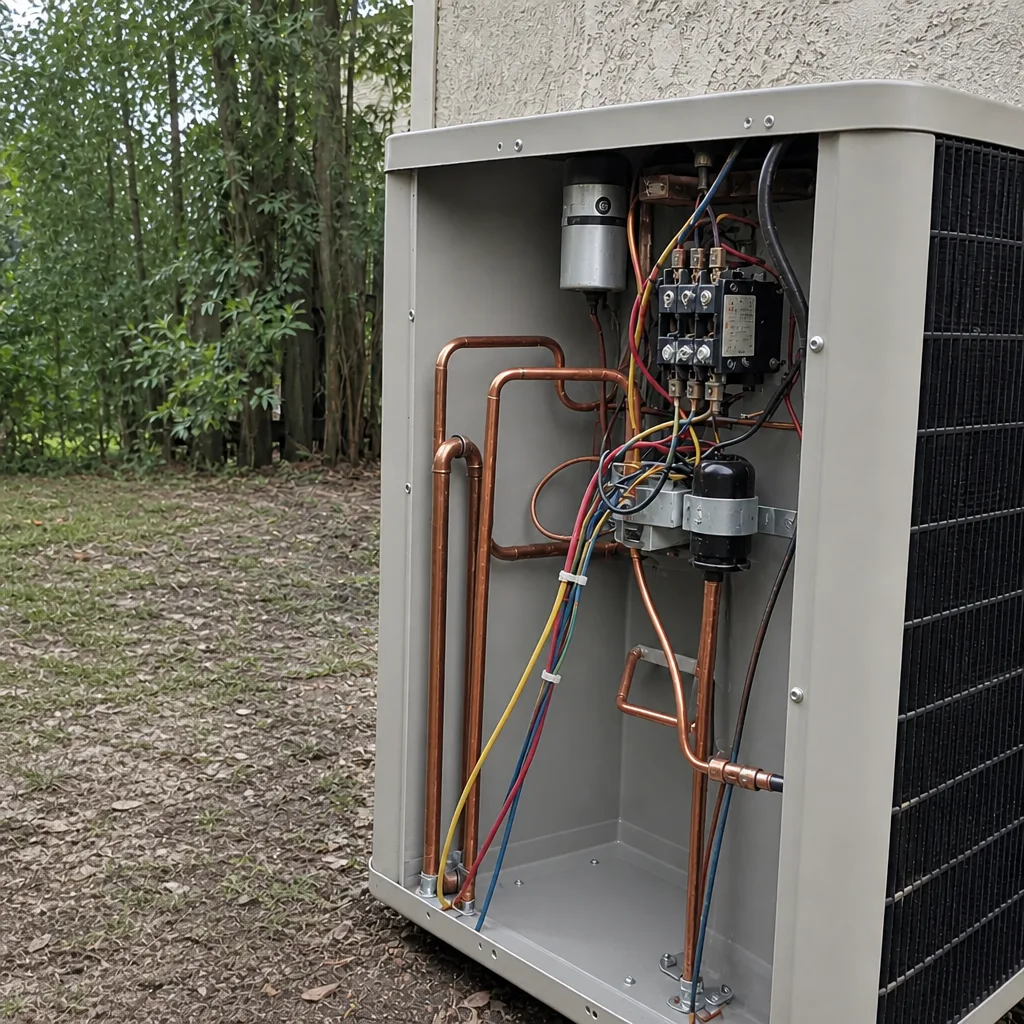
A contactor is a switch that pulls in when the thermostat calls for cooling. When the contactor’s points pit or stick, the system clicks but doesn’t start, or the system runs when it shouldn’t. The sound is a sharp, hard click – sometimes rapid repeats – coming from the outdoor unit’s electrical panel. It can also present as a fast, rattle-like chattering. Contactors often pit and stick when ants or moisture get into the outdoor cabinet, and the outdoor units in Hollywood homes see plenty of humidity.
Failing compressor
A compressor on its way out can screech, grind, or make a heavy metallic knocking. It might start and run hot, then shut off on thermal overload. Sometimes it stays silent while the fan runs, which is the worst version – the fan is moving but nothing is pumping refrigerant. The loudest symptom is a low grinding or rattle that comes and goes with the start of the cycle. A failing compressor doesn’t always announce itself. Sometimes the first sign is that the breaker trips when the system tries to start.
When you call, describe the sound with a comparison (“buzzing like a big bee,” “hums then clicks,” “screeches for one second then stops”). It helps. Even better, note whether the fan outside is running when the compressor isn’t. That single observation can save a diagnostic step.
If the outdoor unit is making hard noises and the house isn’t getting cool, shut it off at the thermostat and call. On a hot evening, a seized compressor can damage more than just itself. Call (833) 854-7099. We answer 24/7, with fast dispatch from 7am to 7pm, Sunday through Friday.
Why Your FPL Bill Is a Better Warning Sign Than Most Visible Symptoms
Visible symptoms get noticed when they get loud, and by then the problem has often been building for weeks. The bill shows up on schedule, and it doesn’t lie. A sudden jump in your electric bill in a month when your habits didn’t change and the weather was steady is one of the most reliable early warning signs a South Florida homeowner has.
Here’s the logic. When efficiency drops – from a low charge, a dirty coil, a failing fan motor, a leaking duct run, or an undersized blower – the system runs longer to reach the same temperature. Longer run time equals more kilowatt-hours. Nothing on the thermostat changes, so there’s no visible symptom yet, but the meter is watching.
How to read the signal:
- Compare the same month across two years. Compare a February to a February, not a July to a February. South Florida weather doesn’t run in a straight line, so use a similar month as a baseline.
- Look for a jump of more than a modest percentage in a month of steady use. Small seasonal swings are normal. A sharp jump is not.
- Rule out rate increases. Before you call for service, pull the bill and check the rate, not just the total.
- Compare it to how the system behaves. If the bill is up and the system runs longer than it used to, the two facts point at the same thing.
- Compare it across the same number of billing days. A 35-day cycle and a 29-day cycle aren’t apples to apples.
A bill jump alone is not a diagnosis. It’s a prompt. It tells you to look at the equipment before the equipment decides to show you. When the bill is up and the house feels slightly less comfortable, a diagnostic visit is worth more than a month of watching the meter.
Warning Signs You Can Watch for a Week
Not every symptom is an emergency. Some are worth logging and watching. Here’s the honest split.
Watch a week
- A filter that needs changing. A clogged filter is the most common cause of low airflow. Change it and note the difference.
- Condensation on the windows or a slightly sticky feel indoors. Note the indoor humidity reading if you have a hygrometer, and watch the trend.
- A minor temperature difference room to room. Often a balance or ducting issue, not a failing system.
- A single, brief odd noise that doesn’t repeat. Write down what you heard and when. If it recurs, call.
Don’t wait
- Water at the air handler. Shut it off and call.
- Short cycling on repeat. Every cycle costs compressor life.
- Grinding, screeching or hard metal noise from the outdoor unit. Shut it off and call.
- The breaker that feeds the system trips. Never reset it repeatedly. It’s tripping for a reason.
- Indoor humidity above 60% on repeated readings. Mold is a bigger bill than a repair.
We use those readings when we talk about Hollywood area homes that call us for a second opinion. A homeowner with a week of observations gets a better diagnostic conversation than one who calls with a vague sense that something feels off.
What One Yearly Check Actually Prevents in Hollywood
We’re not going to tell you a yearly check stops every failure. It doesn’t. Equipment fails. What a yearly check does catch, over and over, is the slow stuff – the drain line that’s about to clog, the capacitor reading on the low side of normal, the condenser coil that’s been quietly packing up with dust and clippings, the filter that’s being changed quarterly when the house really needs monthly changes.
In Hollywood, the outdoor unit sees heat and humidity most of the year, and the drain line runs a much higher volume of condensate than you’d see in a drier environment. The system logs a lot more runtime per season than a comparable home further north. That means the components that wear out – capacitor, contactor, drain line, blower motor – wear out sooner. A yearly check catches those on the front side of failure instead of the back side.
What a check should include, at minimum:
- Filter condition and airflow check.
- Capacitor readings compared to the rated specification.
- Refrigerant pressures and superheat or subcooling, depending on the metering device.
- Drain line and P-trap check – and if the drain line is growing algae, clearing it.
- Condenser coil condition, cleaning if needed.
- Contactor and electrical connections inspection.
- Indoor humidity readings if the homeowner has them, and conversation about whether the system is actually dehumidifying.
If a technician finds a part on the edge of spec, the honest thing is to tell you, note it, and leave the decision to you. That’s the kind of finding a yearly check is designed to produce. The visit shouldn’t end with a pressure pitch for a full replacement.
At the same time, some problems only show up when a system is opened up. When a technician is checking a Carrier, Trane, Lennox, Goodman, Rheem, York, Daikin, Bryant or American Standard system, knowing how that brand behaves helps spot what’s off. Nine brands across one team means we’ve seen the failure patterns on all of them, so a check on any of them is a familiar job.
Common Mistakes to Avoid
- Resetting a tripped system again and again. A system that trips a safety switch or a breaker is telling you something. Resetting it in the hope that it “just needed a minute” is how small problems grow into compressor failures in a Hollywood summer.
- Topping off refrigerant instead of finding the leak. A sealed system doesn’t consume refrigerant. If the charge is low, it leaked somewhere. Topping it off wastes money and delays the real fix.
- Treating humidity as normal for Florida. High indoor humidity is a symptom, not a climate. If the system can’t hold indoor humidity below 55% during the wet season, something is wrong with the system – not the weather.
- Choosing an oversized system “so it’s not working as hard.” An oversized system cools the house fast and dehumidifies poorly. It runs short cycles and leaves the house feeling cold and damp. Proper sizing comes from a load calculation, not a rule of thumb.
- Ignoring the bill. A jump in your FPL bill in a month of steady use is one of the most reliable early warning signs available. Homeowners who explain it away with “must be the weather” often discover the truth a season later.
- Replacing duct tape or filters as the only maintenance done in years. A filter is the cheapest component in the system to keep clean. Running on a clogged filter for months is a slow way to burn through a blower motor and a compressor.
- Calling a single-brand shop and being upcharged for a part they have to source. A technician who works mostly on one brand can struggle when the home has something else. If the diagnosis sounds vague, ask whether the shop is familiar with the specific brand and model.
See the difference
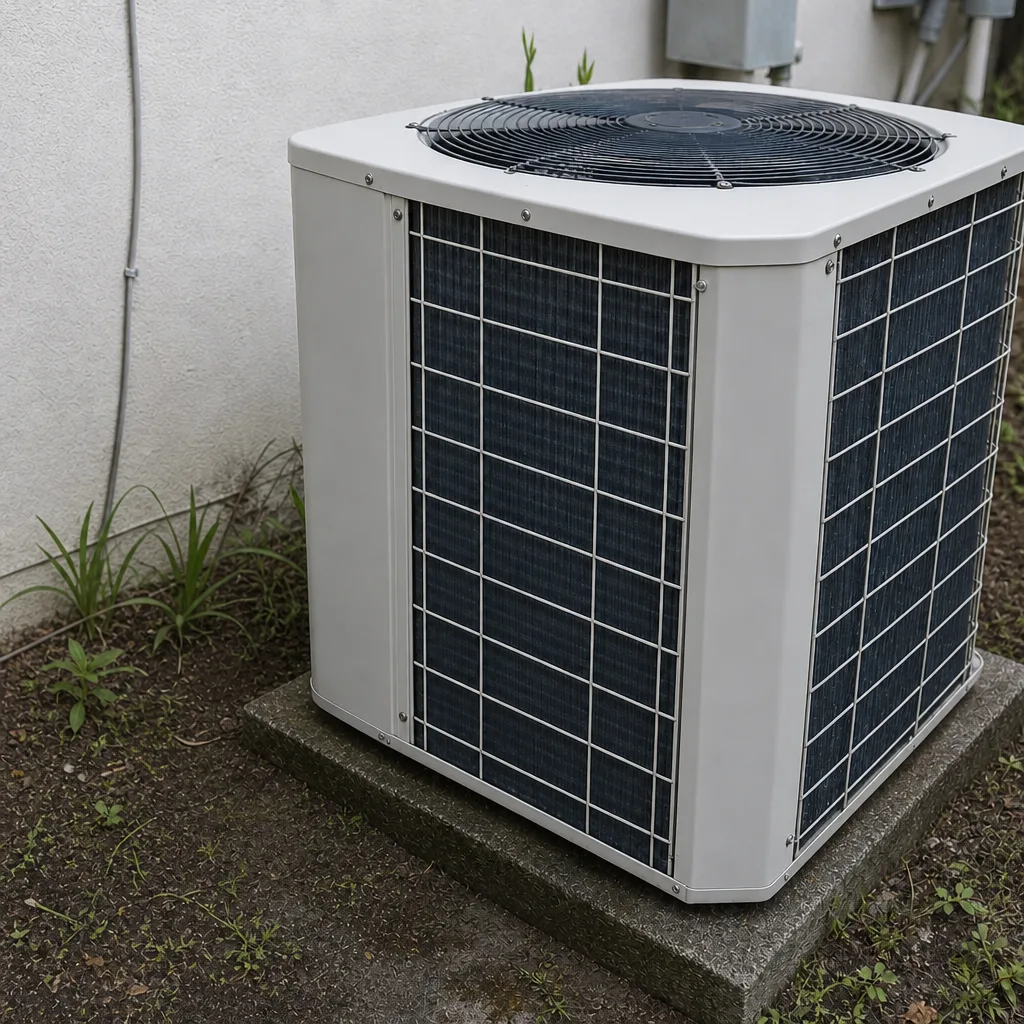
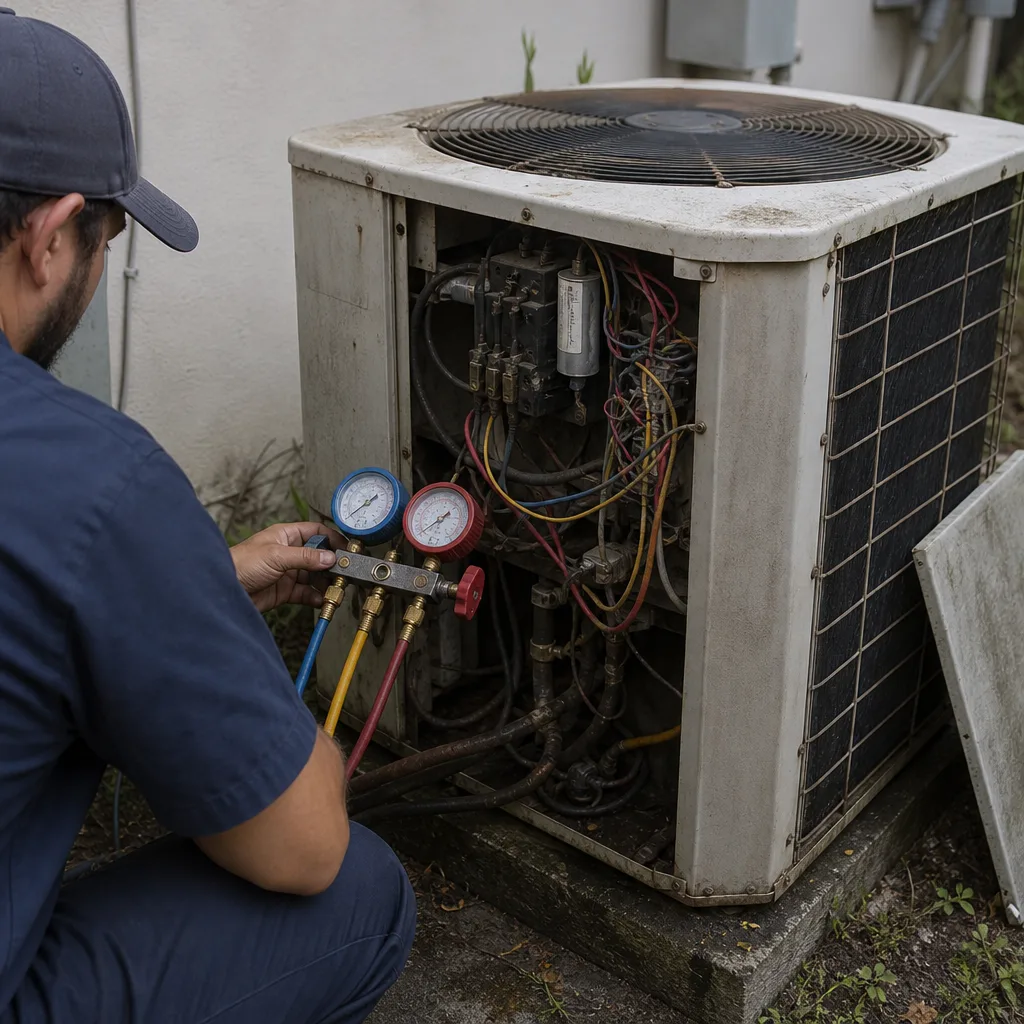 Before
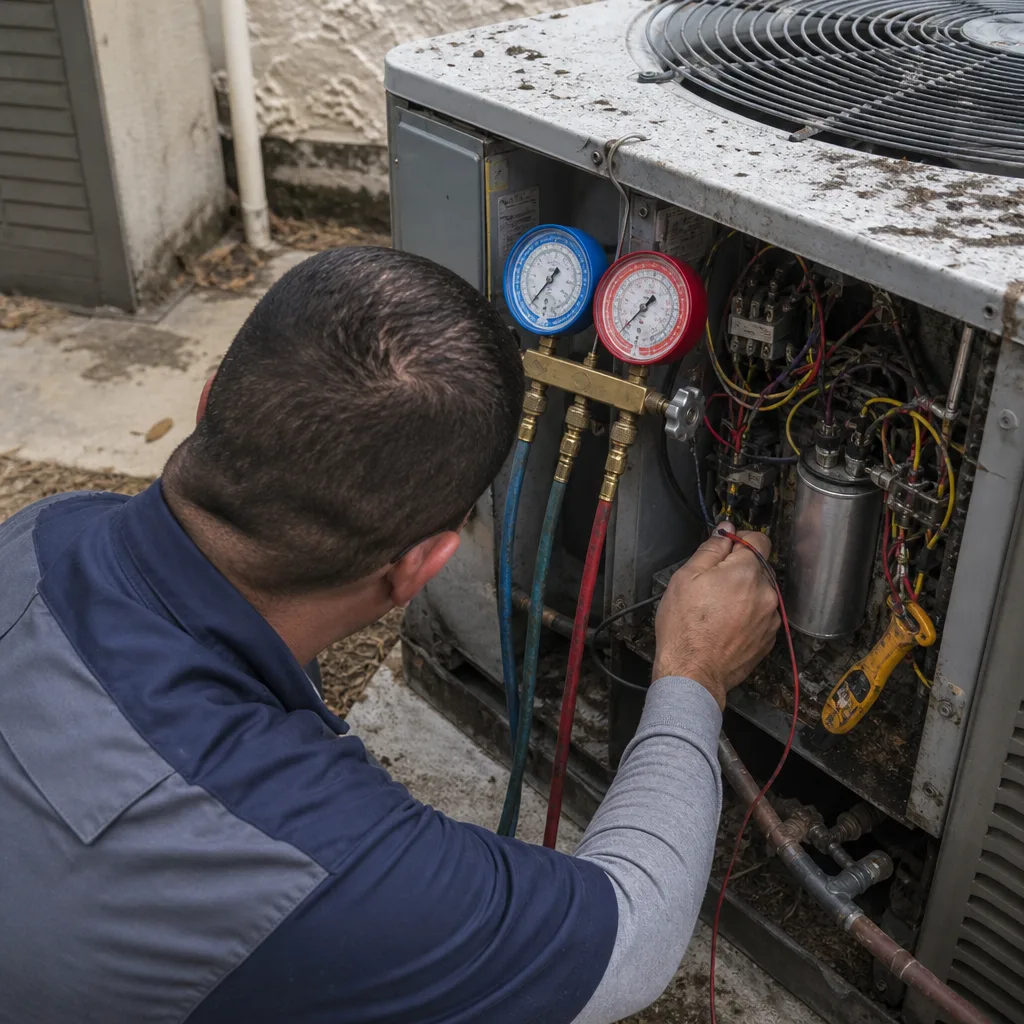
 After
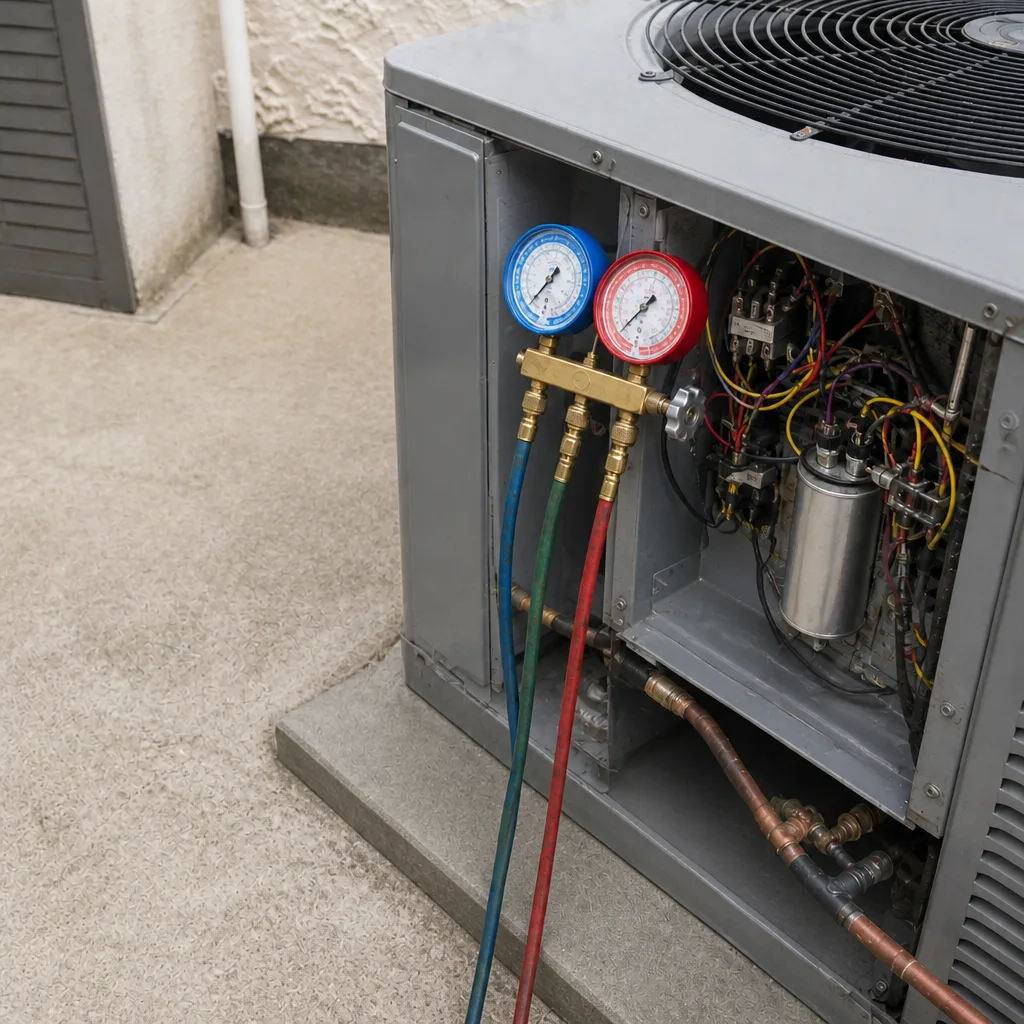
 Before
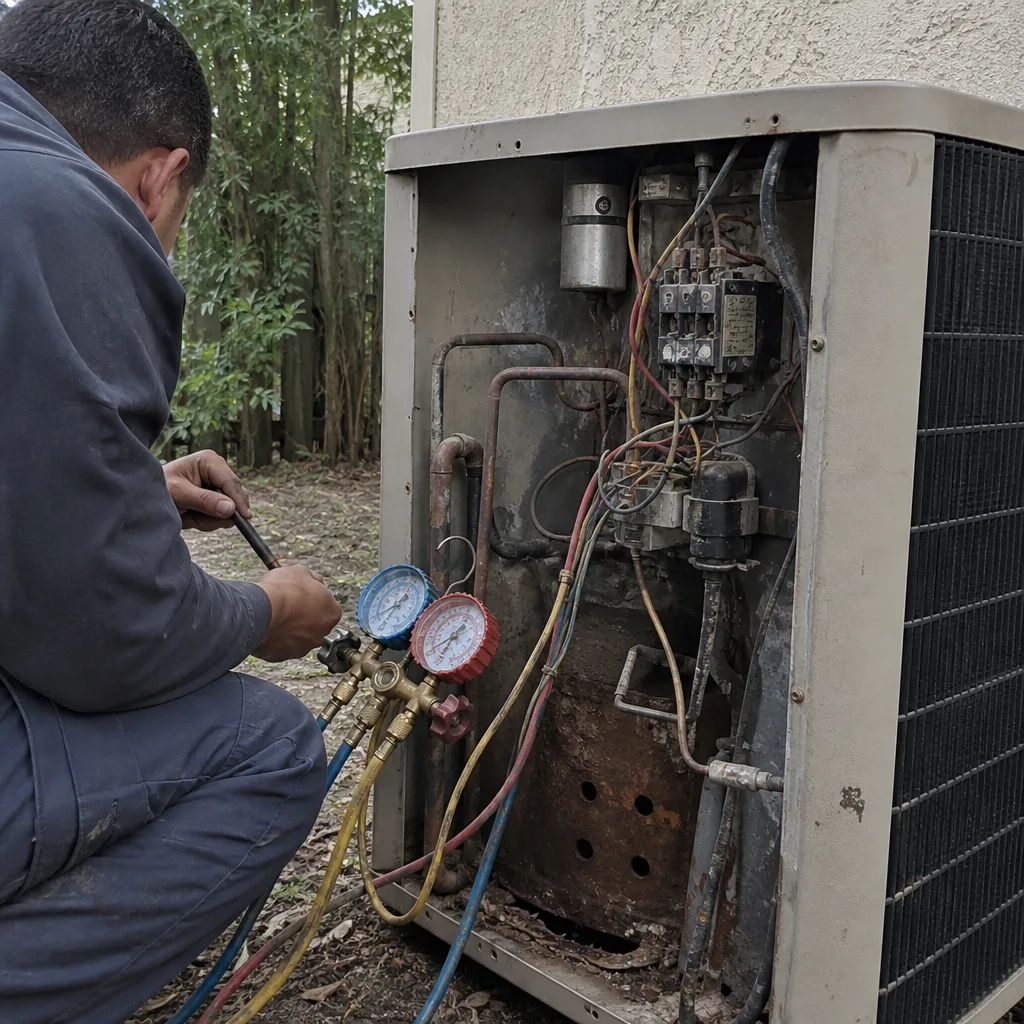
 After
 Before
 After
When to Call a Professional
Call immediately for any of these: water at the air handler, a system that trips a breaker on start, a loud grinding or screeching from the outdoor unit, short cycling every few minutes, indoor humidity that won’t drop below 60% across multiple readings, or a system that’s running nonstop in a Hollywood summer without reaching the thermostat setting.
Call within a day or two for: a bill spike in a steady-use month, a cooling drop that’s gotten worse over weeks, a hissing or gurgling sound at the indoor unit, a filter that keeps clogging faster than it used to, or a unit that hums and clicks on start but recovers.
Bring observations with you – the sound, the timing, the humidity readings, what the bill did. It shortens the diagnostic step and gets you to a fix faster. At Ashton AC Repair, we work on Carrier, Trane, Lennox, Goodman, Rheem, York, Daikin, Bryant and American Standard equipment. We diagnose the problem first, then recommend the repair. For more on what we cover, see Ashton AC Repair.
Ashton AC Repair offers free estimates in Hollywood – call (833) 854-7099. We answer 24/7, with fast dispatch from 7am to 7pm, Sunday through Friday.
Frequently Asked Questions
Indoor relative humidity that won’t stay below 55% during the wet season is the most important early warning sign in Hollywood. A properly sized, functioning system dehumidifies as it cools, so a home that feels sticky at a normal temperature has a system problem, not a weather problem. Call (833) 854-7099 for an exact diagnosis – estimates are free.
Don’t wait. A bill jump in a month of steady use is one of the most reliable early warning signs an air conditioner produces, and usually means the system is running longer to do the same job. A short diagnostic visit catches the cause before it becomes an expensive failure. Call (833) 854-7099 – we answer 24/7, with fast dispatch from 7am to 7pm, Sunday through Friday.
A refrigerant leak shows up as a sharp drop in cooling over weeks, ice or frost on the line set or indoor coil, a hissing sound at the indoor unit, or oil residue at fittings. Normal aging shows up as a slow, modest drift over years, not weeks. If the cooling has changed in a hurry, it’s worth a leak check. Call (833) 854-7099 for an exact estimate.
Short cycling in South Florida is harder on a compressor because the system runs more hours per year than in a mild climate, so each start cycle stacks up faster. Every start draws a heavy current surge through the windings, and a compressor has a finite number of those surges in its life. Catching short cycling early is the best way to protect the compressor. Call (833) 854-7099 to book a diagnostic.
No. New equipment is sized from a load calculation, ordered to match, and scheduled for an install date. That’s true across every brand – Rheem, York, Daikin, Bryant and every other – because the install is where comfort gets made or broken. We promise a written fixed price and a set install date. For more on that, see AC installation.
Yes, if it’s Carrier, Trane, Lennox, Goodman, Rheem, York, Daikin, Bryant or American Standard. Those are the nine brands our technicians are factory-familiar with, and we handle both the cooling and furnace side of the equipment. If your system is one of those, call (833) 854-7099 for a free estimate.
The Bottom Line
The most expensive HVAC failures in Hollywood homes rarely announce themselves. They show up as humidity that creeps up, a bill that jumps, a hum that repeats on start, a drain line that’s quietly growing algae. Catching those early is the whole game. Keep the filter clean, watch the humidity, compare the bill to the same month last year, and don’t reset a tripping system more than once. When something does go wrong, describe it precisely – the sound, the timing, what you saw. That’s how a diagnostic visit turns into a repair instead of a replacement. For AC repair, AC installation, or furnace repair, our team is one call away.
Call (833) 854-7099 for a free estimate. We answer 24/7, with fast dispatch from 7am to 7pm, Sunday through Friday.
Written by the team at Ashton AC Repair.